REVIEW · GRAN CANARIA
Surf lessons in Las Canteras Beach
Book on GetYourGuide →Operated by Turisbeds · Bookable on GetYourGuide
If you want waves in an easy city setting, go here.
Surf lessons at Las Canteras (Cícer/Cicer) are a smart way to learn because the school runs the course right by the water and chooses the best local section for surf conditions. I like that the instruction focuses on safety and fun, not just standing on a board and hoping. I also love the hands-on teaching style, from patient beginners coaching to technique tweaks, with instructors like Carlos and Marco specifically praised for clear guidance and a friendly vibe.
One thing to consider: the lesson length can shift based on tide and weather—one booking noted it ended up around 1h40 even though the course is advertised as 2 hours. Still, you’re getting a tightly structured session designed to match what the sea is doing that day.
In This Review
- Key highlights before you book
- Why Las Canteras at Cicer is a great place to learn
- What your 2-hour surf lesson feels like (and why the timing can change)
- Equipment, belongings care, and insurance: the unglamorous stuff that matters
- Meeting point at University Surf School in Cicer (and what to bring right away)
- What you’ll actually learn: basics first, then better technique
- The value of the $54 price: instruction + gear + insurance
- Safety rules and who this course isn’t for
- Tide, weather, and what to do when conditions shift
- A few small details that improve your experience fast
- Should you book this surf lesson at Las Canteras?
- FAQ
- Where is the meeting point for the surf lesson?
- How long is the surf lesson?
- What’s included in the price?
- What should I bring?
- What language are the instructors?
- Is this suitable for children and non-swimmers?
Key highlights before you book
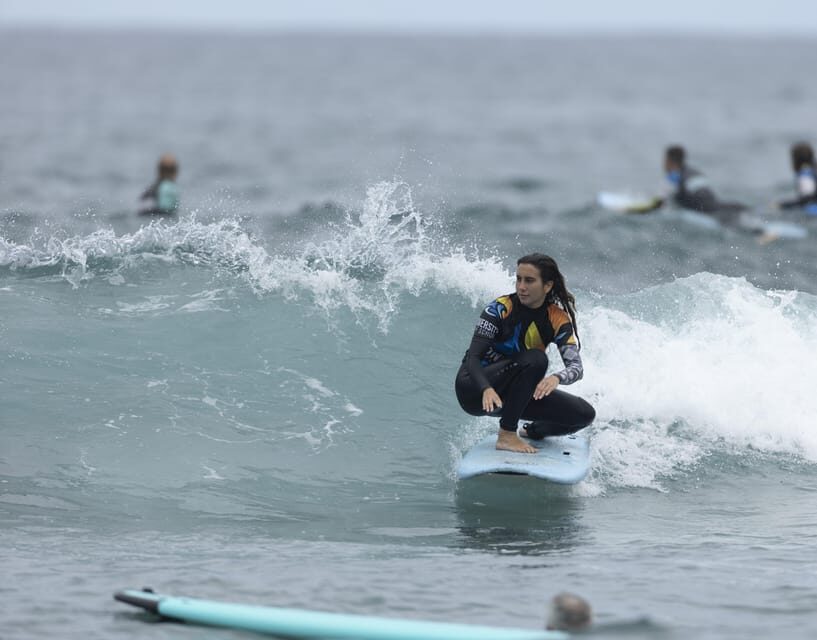
- Safety-first coaching with instructors who are very firm about getting it right.
- Top-quality equipment provided, so you can show up ready.
- Las Canteras’ best surf area selected for the conditions, not a random spot.
- Beginner basics or technique improvement, depending on where you’re starting.
- Small groups or private options, so you’re not just watching from the shore.
- Gear, belongings care, and insurance are included in the price.
Why Las Canteras at Cicer is a great place to learn
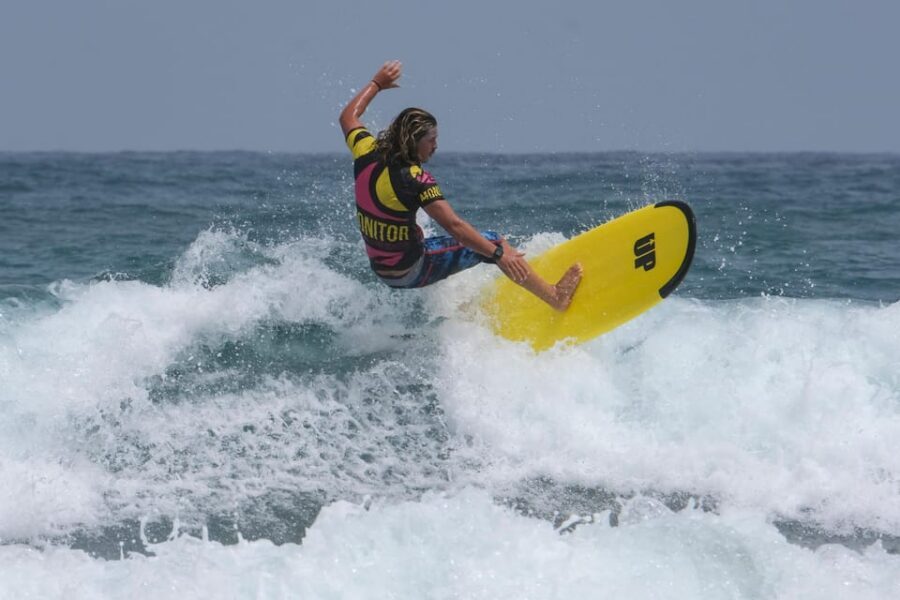
Las Canteras is the kind of place where learning feels realistic. You’re not trekking out to a remote break and wondering if you’ll even get waves. You’re in an urban beach setting where the surf school is a few meters from the shoreline, and you’re meant to work with what the beach offers.
The big practical win here is how they manage conditions. The course runs in the best area for surfing on Las Canteras, and the starting time can adjust with the tide and weather. That matters for you as a beginner because the difference between a workable zone and a tough one is huge. If the sea is doing something awkward, a surf school that stays flexible is more likely to give you a lesson that actually helps you progress.
Also, this is set up for more than just brand-new surfers. The school has 10+ years teaching everything from beginners to higher performance, so if you already paddle out occasionally, you should still find meaningful feedback instead of repeating the same basic rules.
A few more Gran Canaria tours and experiences worth a look
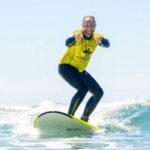
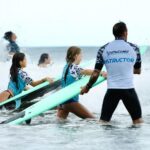
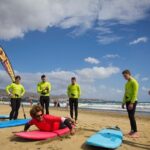
What your 2-hour surf lesson feels like (and why the timing can change)
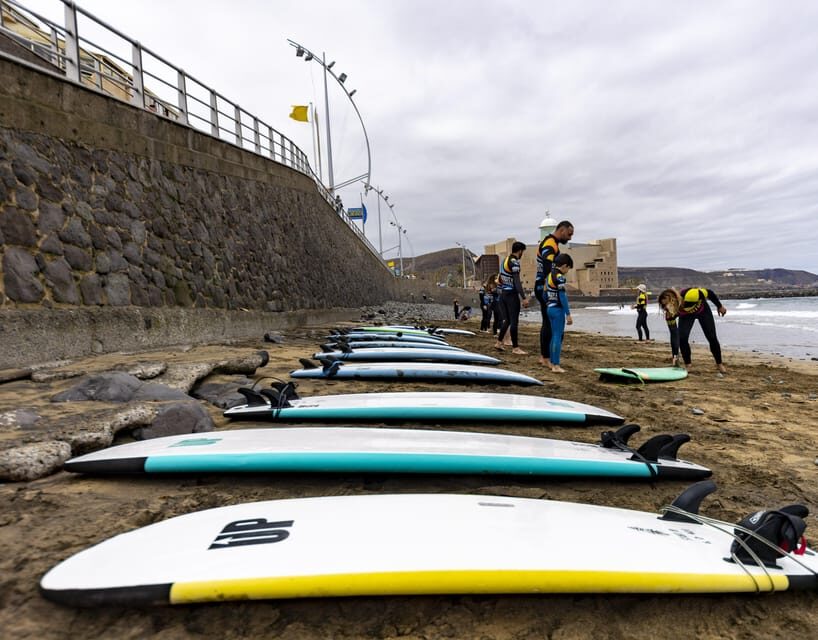
The course is described as an intensive introductory session, taught by professionals based at the surf school near Playa de las Canteras. Even without a posted minute-by-minute schedule, the structure is pretty clear from how the experience is framed: you’ll get instruction, you’ll get on the board with the right support, and you’ll spend your time trying to catch waves in conditions that make sense for learners.
Here’s the typical flow you should expect:
- You arrive at the surf school meeting point in Cicer.
- You get your equipment (sizing and setup so you can move comfortably).
- You receive safety guidance and technique instructions from your instructor.
- You practice, first building basic control, then moving toward catching waves.
- You finish with enough time to apply what you learned while it’s still fresh.
This is where the reviews help you set expectations. In one case, a rider said they expected a full two hours but the session landed closer to 1h40. That doesn’t mean it’s a bad experience. It’s usually the sea calling the shots: tide height, wind direction, and wave behavior can change the usable teaching window. If you go in expecting a “real” lesson shaped by the ocean, you’ll likely feel better about any timing shifts.
Your instructor will be available in English or Spanish, and the teaching style you’ll feel is strongly described as patient and clear. Beginner coaching specifically stood out—one instructor (Carlos) was noted for being very patient and giving professional instructions that matched what a true first-timer needs.
Equipment, belongings care, and insurance: the unglamorous stuff that matters
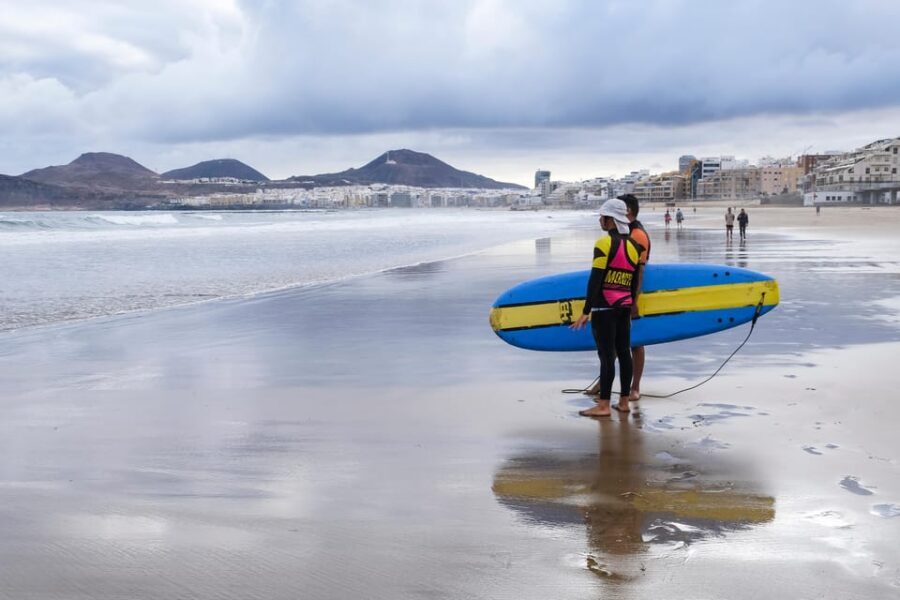
Surf lessons sound simple until you realize how many tiny logistics can ruin the day: wrong board size, a rashguard that doesn’t fit, nowhere safe to stash your things. This course takes those headaches off your plate.
Included with your booking:
- All necessary equipment
- Care of personal belongings
- Insurance
Two of those points are quietly valuable. First, equipment inclusion means you don’t have to scramble for a rental before class. Second, belongings care means you can focus on the lesson rather than guarding your phone like it’s the world’s most breakable artifact.
The equipment itself is repeatedly mentioned as clean and in good condition, which matters a lot when you’re learning. When gear is worn out, it’s harder to get consistent feedback from your instructor and harder on your confidence. When it’s in good shape, you can trust that if you’re slipping, it’s your technique—not a problem with the board.
And insurance is a big one you’ll appreciate if something goes sideways. It won’t remove every risk of surfing, but it’s part of what a serious operator includes when safety is truly part of the plan.
Meeting point at University Surf School in Cicer (and what to bring right away)

You’ll meet at University Surf School, Playa de las Canteras, calle Secretario Padilla, 168, Las Palmas 35010.
That address is useful because it places you inside the Las Canteras area from the start, rather than making you coordinate other transport to a surf spot. No pick-up service is listed, so plan to get there under your own steam.
Before you head over, pack for a beach-to-water lesson:
- Swimwear
- Towel
- Sunscreen
Also, the course has a clear participant rule set. You must be able to swim. If you’re not comfortable in the water, this isn’t the right activity to “try anyway.”
One more real-world note: the starting time can vary with tides and weather, so aim for flexibility. If your schedule is razor-thin, you might end up stressed. This one is designed to run when it can run well.
What you’ll actually learn: basics first, then better technique

This is the main reason to book. The lesson isn’t just about being near waves—it’s about starting to understand what your body needs to do on a surfboard.
The course is framed as either:
- learning the basics of surfing, or
- improving your surfing technique
So what does that look like in practice? You’re working on fundamentals like getting into position correctly, controlling your balance, and learning how to respond when the board behaves differently on real waves. The instructor’s role is to keep you from guessing and to give you steps you can use immediately.
That comes through in the reviews. A beginner-focused experience was described as very clear and professional, with a teacher who was patient and made instruction fit the moment. Another booking highlighted that the staff and instructor made the whole thing easy to get along with while still keeping a strong focus on safety.
And yes, even in a short course, you can realistically leave with progress. One person said their first lesson went perfectly and they even caught some waves. That’s a good sign because the course isn’t only a theory session. It’s built for action.






The value of the $54 price: instruction + gear + insurance

The price is $54 per person for a course listed at 2 hours. On paper, that might sound straightforward, but here’s where value shows up: the cost includes the gear and a safety setup (insurance plus belongings care). That means you’re paying mostly for instruction and a prepared experience, not just time in the water.
What’s not included:
- Drinks and food
- Pick up service
If you’re doing this as a half-day activity in Las Palmas, bring or plan your own water and snack. You’ll also want to budget for sunscreen and anything you want for after the session, like a quick change of clothes.
If you’re comparing options, this one tends to make sense because you’re not piecing together rentals and figuring out where to store your stuff. You’re showing up, getting ready, and learning.
Safety rules and who this course isn’t for

This surf lesson is clearly positioned as a sport activity with real safety boundaries. That’s not a buzzkill; it’s part of why it feels well-run.
Rules you should know:
- Not allowed: smoking, alcohol, and drugs
- Must know how to swim
- Kids: children under 14 are not suitable, and kids under 15 must go with one adult
- Not suitable for: pregnant women, people with mobility impairments, people with heart problems, non-swimmers, and people with low level of fitness
If any of those apply to you, take the hint and choose a different activity. Trying to force-fit a situation like this can lead to frustration and is not what the course is set up for.
For everyone else, the lesson is a solid fit if you:
- want to learn quickly with an instructor guiding your form,
- are okay with learning in changing sea conditions,
- can handle the physical effort of paddling and balancing on a board.
Also, group format matters. The course offers private or small groups, which can help if you learn better with more direct attention.
Tide, weather, and what to do when conditions shift

This lesson doesn’t lock you into a single time regardless of the ocean. Starting time may vary with tide and weather to offer the best possible experience.
That’s exactly what you want as a learner. If the tide is off, your waves can be too small, too strong, or too messy to teach safely. If wind is wrong, standing up can become a battle. A school that waits for workable conditions is more likely to get you on waves you can actually learn from.
So plan like this:
- keep your day flexible around the lesson window,
- arrive with your basics ready (swimwear, towel, sunscreen),
- don’t treat the sea like it owes you a perfect script.
If you’re the type who gets stressed when plans shift, consider choosing a time earlier in your trip where you have breathing room.
A few small details that improve your experience fast
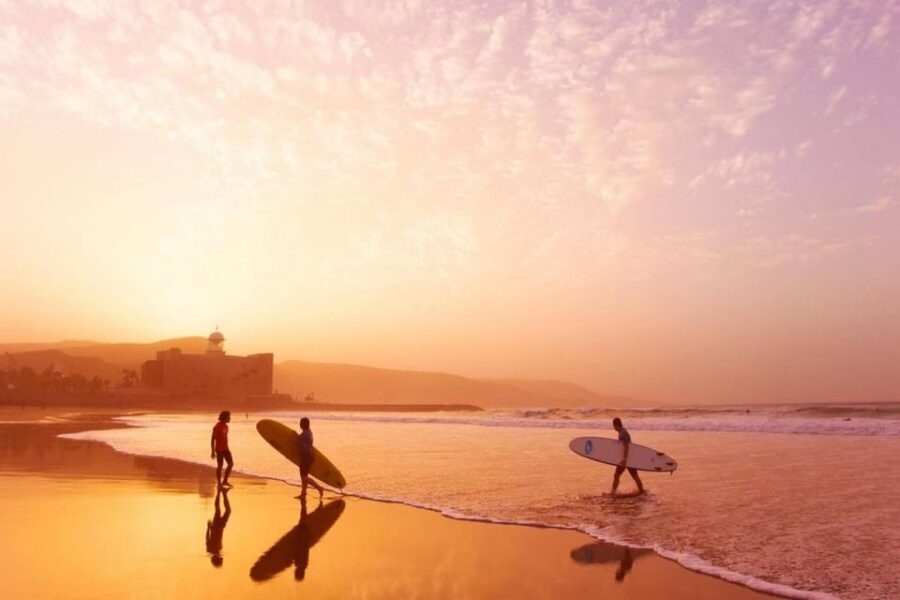
Surfers learn faster when the logistics don’t waste attention. Here are the basics that will help you go in calm and prepared:
- Bring a towel you can actually use right after the water.
- Use sunscreen before you’re out in the sun; Las Canteras sun can sneak up.
- Respect the no-smoking/no-alcohol/no-drugs rule for safety and for the instructor’s environment.
- Assume you’ll get more value if you listen and act quickly when the instructor cues you.
- If you’re a child or teen, follow the adult requirement: kids under 15 must go with one adult.
One more thing: the instructors are repeatedly described as friendly, helpful, and focused on safety. That means you’ll get better results when you engage instead of hanging back out of nerves. Ask questions in English or Spanish, then apply the advice immediately.
Should you book this surf lesson at Las Canteras?
I think you should book it if you want a real chance to stand and catch waves during a short window, and you prefer learning with gear provided and safety taken seriously. The combination of included equipment, insurance, and a teaching team known for clear, patient instruction makes this feel like good value, not a random beach activity.
Skip it if you don’t meet the swimming and fitness requirements, or if health factors apply (pregnancy, heart problems, mobility impairments). Also skip it if you hate schedule changes. The ocean sets the timing here, and the lesson adapts.
If you’re planning a Gran Canaria visit and want one hands-on activity that’s very close to city life, this is a strong pick.
FAQ
Where is the meeting point for the surf lesson?
You’ll meet at University Surf School, Playa de las Canteras, calle Secretario Padilla, 168, Las Palmas 35010.
How long is the surf lesson?
The course is listed as 2 hours, but the starting time and duration may vary based on tide and weather conditions.
What’s included in the price?
The booking includes all necessary equipment, care of personal belongings, and insurance.
What should I bring?
Bring swimwear, a towel, and sunscreen.
What language are the instructors?
Instruction is available in English and Spanish.
Is this suitable for children and non-swimmers?
Children under 14 are not suitable. Kids under 15 must go with one adult. You must know how to swim, and non-swimmers aren’t suitable for this activity.