REVIEW · GRAN CANARIA
Gran Canaria Surf Safari Course: Surf Lesson all levels
Book on GetYourGuide →Operated by PRO SURFING COMPANY S.L.U · Bookable on GetYourGuide
Surf lessons get real fast here.
This Gran Canaria Surf Safari Course is built for beginners and intermediates, and the format is what makes it work: small, private groups (you won’t be lost in a crowd) plus instructors who place you where the waves match your level. I also like that you get lots of time practicing right after a short beach-based theory session, so your progress doesn’t stall between lessons.
You also get the practical “surf safari” idea: you’re not stuck watching a map the whole day. The instructors aim for great surf spots that are likely less crowded, which means more action and less driving around for the sake of it. The team I read about (Sophie and the crew) comes across as welcoming and genuinely focused on making you feel comfortable from the start.
One thing to think about: the schedule follows tides and weather, and your surf beaches can change. If you’re picky about exact locations or you’re not staying in the south, plan on adjusting.
In This Review
- Key Highlights I’d Focus On
- What the Gran Canaria Surf Safari Course Really Is
- Hotel Pickup in the South and How the Day Gets Scheduled
- Beach Theory and Safety: Short, Clear, Useful
- The 2-Hour Wave Session: Learn by Doing
- Surf Spot Hopping: Why You Might Visit Different Beaches
- What You Get Included (and Why It Matters)
- Languages, Group Type, and Coaching Style
- What to Bring for a Smooth Surf Day
- Who This Surf Safari Course Is Best For
- Price and Value: Is $60 a Good Deal?
- The Reviews’ Biggest Patterns (What You Can Expect)
- Should You Book This Surf Safari Surf Lesson?
- FAQ
- What’s the duration of the Gran Canaria Surf Safari Course?
- Do I need to be an advanced surfer?
- Where does hotel pickup and drop-off happen?
- What time is the pickup window?
- Are surf spots fixed to one beach?
- What languages are the instructors?
- What should I bring?
- Who is the course not suitable for?
Key Highlights I’d Focus On
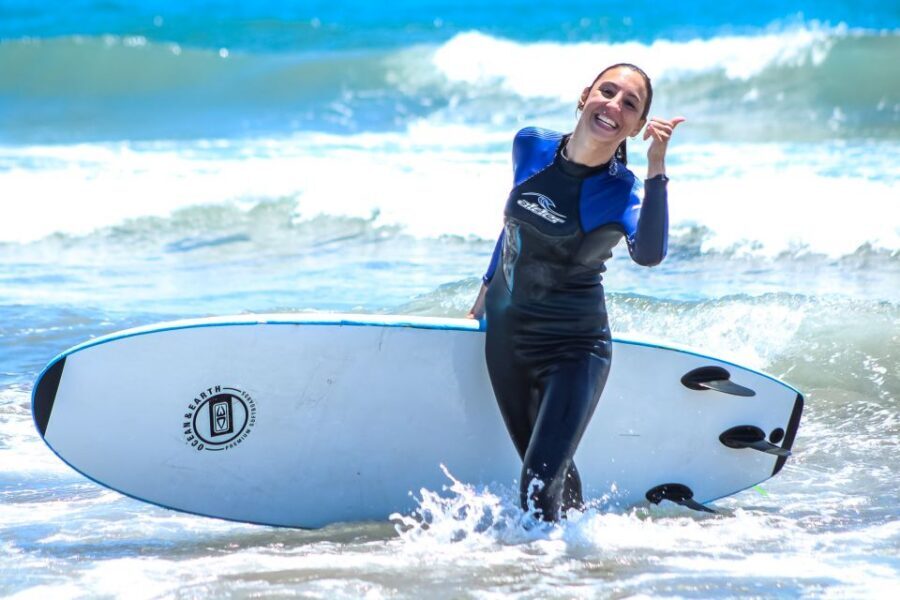
- Small private group coaching so you get real guidance, not generic yelling
- All-level surf matching based on skill level and wave suitability
- A short beach theory block paired with a full practice session in the water
- First pick of surf spots chosen for good waves and fewer crowds
- Complimentary snacks and water to keep your energy up between sets
- Pickup/drop-off included for the south area only (8:00–8:30 AM pickup window)
What the Gran Canaria Surf Safari Course Really Is
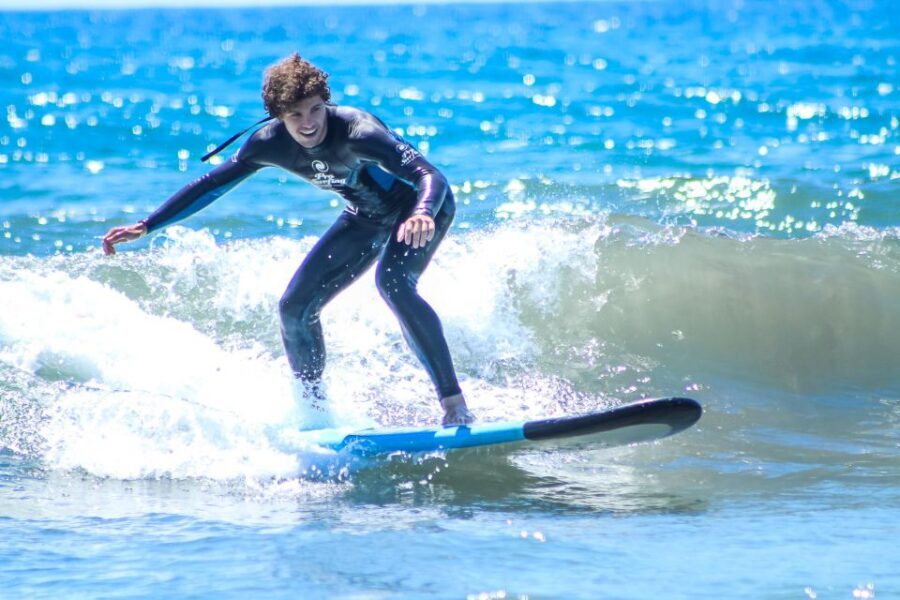
This is not a long, drawn-out surf camp. It’s a focused one-day surf lesson designed to help you learn technique while spending the day on waves that fit you.
The “surf safari” part matters. Instead of teaching you one textbook beach and calling it a day, the instructors take advantage of Gran Canaria’s shifting conditions. You’ll be grouped by ability and sent to the spots most likely to produce waves you can actually ride, not just watch other people do.
If you’re a beginner, the big win is structure: you get safety basics, then you immediately apply them. If you’re intermediate, you get the chance to work on improvement without being forced to start over from scratch.
Other Gran Canaria tours we've reviewed in Gran Canaria



Hotel Pickup in the South and How the Day Gets Scheduled
The course includes pickup and drop-off to and from your hotel, but only if you’re in the south area. Pickup runs from 8:00 AM to 8:30 AM, and the total outing usually lasts about 4–5 hours.
That timing is the first “real-life” detail. Because surf depends on tide and weather, the day’s flow adjusts. The official plan still stays the same in spirit: beach safety/theory first, then your main practice period in the water. Just know the exact surf spot timing can shift to match conditions that day.
Also, the in-water time is around 2 hours, and the activity includes the theory and practical beach lesson inside the overall schedule. So you’re not signing up for a half-day where you spend most of it waiting around.
Beach Theory and Safety: Short, Clear, Useful
Before you hit the water, you’ll get an introduction to surf safety and a theory lesson on the beach. It’s not meant to be an academic lecture. Think of it as the fastest path to understanding how to stay safe, move efficiently, and avoid common mistakes before you’re paddling hard.
This part matters because surfing has a learning curve that’s mostly about decision-making:
- How to read what you’re about to face
- How to position yourself before a wave
- What to do when conditions change quickly
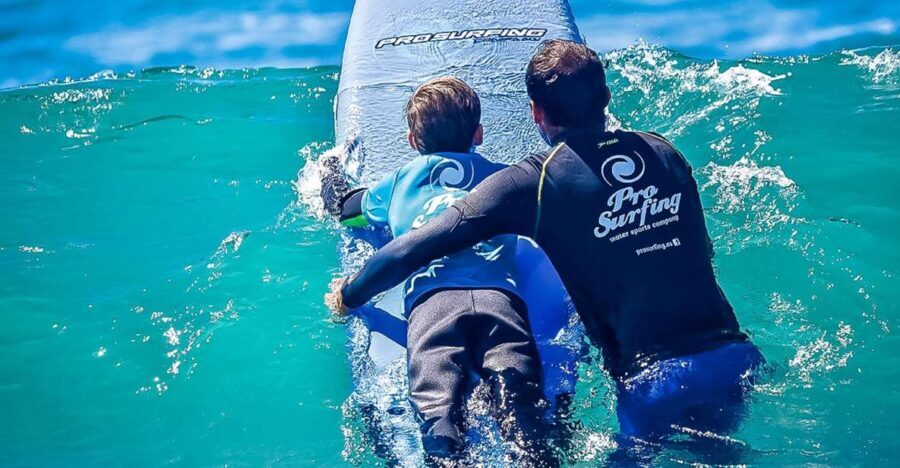
The lesson is guided by qualified instructors who assist throughout the day. And you’ll be dealing with basic gear and setup too, since you’re provided with a surfboard.
If you tend to be anxious before water sports, this beach stage is usually the confidence builder. You get a chance to ask questions and get on the same page as your group before things get physical.
The 2-Hour Wave Session: Learn by Doing
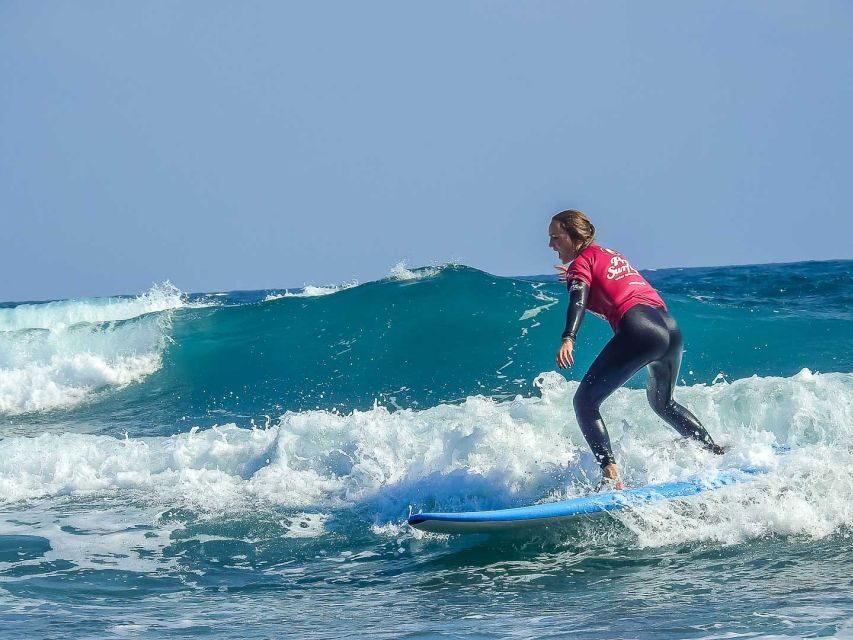
Your most important chunk of time is the 2-hour practice period in the water, including the theoretical and practical beach components overall. This is where the course earns its value.
Here’s what I like about the format for real learners:
- You’re not thrown into the “figure it out” zone.
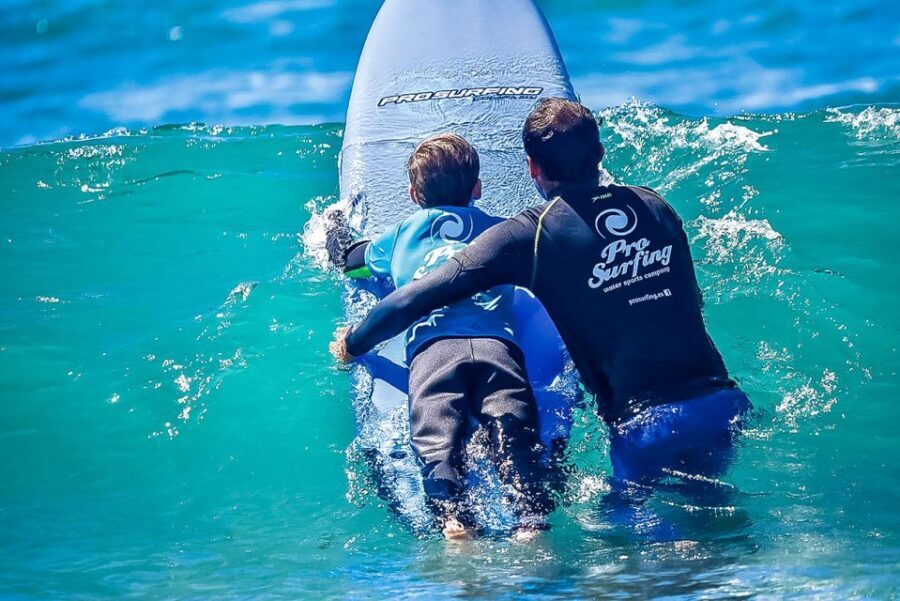
- Your instructor can provide immediate correction while you’re actively surfing.
- You get repeated attempts, not just one or two quick tries.
The course is for beginners and intermediates, and that shows in how the instructors choose waves for each level. The waves are never treated as one-size-fits-all. In other words, you should not be forced to tackle conditions that are beyond your ability on day one.
One more point that comes up in the reviews: people felt welcomed and supported. The instructors (Sophie’s name comes up in positive feedback) seem to bring the practical vibe you want in a sport class. You’re not just being graded; you’re being coached.
Surf Spot Hopping: Why You Might Visit Different Beaches
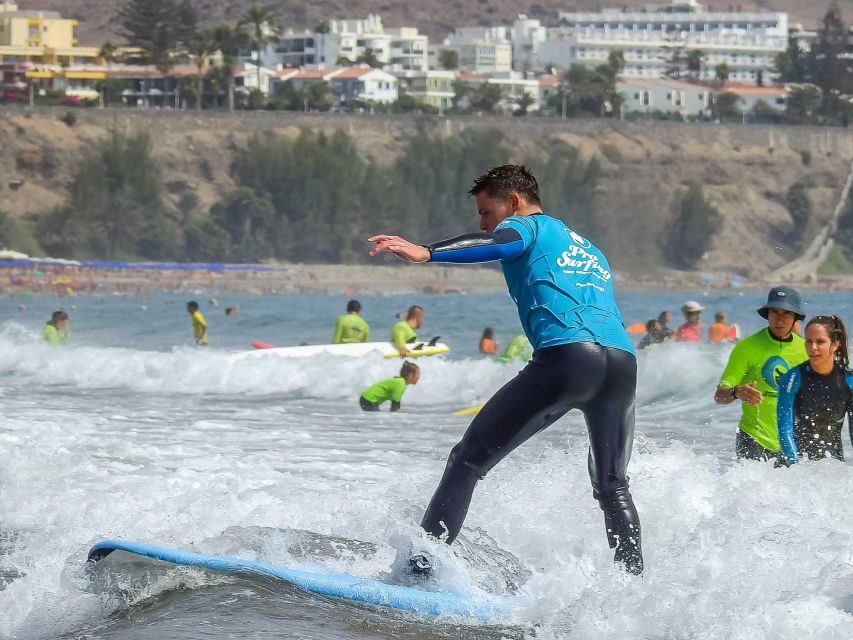
A key operational detail: the waves are never on the same beach, so you may travel between beaches. That sounds like a logistical headache until you understand the goal.
Surf spots change based on tide and wind. If the best waves shift, the instructors shift with them. Your group isn’t stuck in one place where conditions might not cooperate. Instead, the “safari” approach helps you get better surf time across conditions.
The benefit for you is simple: you spend more time riding and less time waiting. And because the instructors aim for spots that are less crowded, you often get a calmer learning environment. Fewer people in the lineup can mean less chaos when you’re paddling for your first wave.
The drawback is that it’s not a sit-on-one-beach experience. If you want one scenic beach backdrop for the whole morning, this course isn’t built for that.
A few more Gran Canaria tours and experiences worth a look


What You Get Included (and Why It Matters)
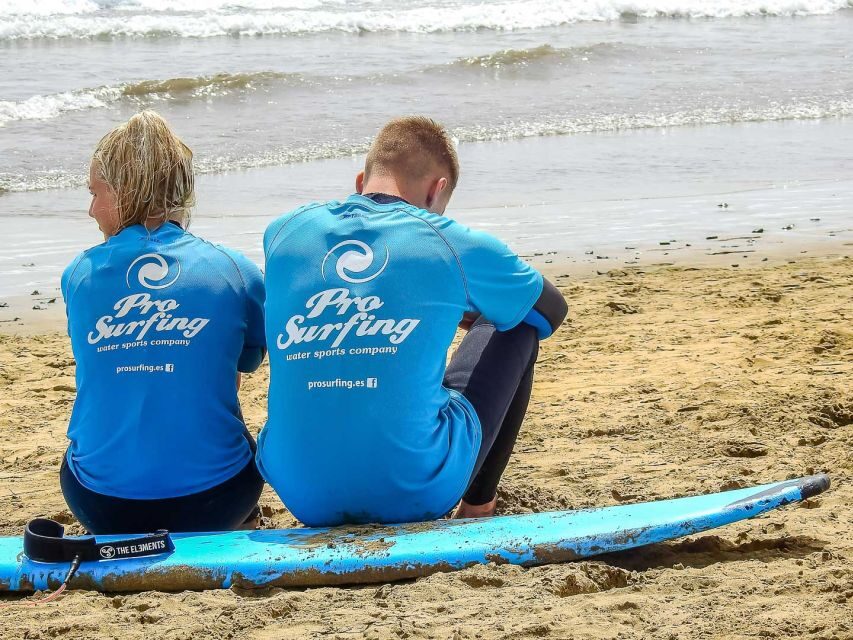
The included items are solid for $60, especially if you’re traveling light.
Included:
- Pickup and drop-off from your hotel (south area only)
- Surfboard
- Introduction safety
- Theory lesson on the beach
- A lesson with the instructor
- Assistance from qualified instructors
The highlights also mention complimentary snacks and water, and that’s a small but real comfort factor. Surf sessions can make you hungry and dehydrated quickly, especially if you’ve had a hotel breakfast and then started a full morning outdoors.
If you’re comparing this to surf lessons that require you to rent boards, find your own transport, and bring your own gear, the bundled approach can be good value. You’re paying mainly for coaching time and access to the surf spots and workflow the instructors know how to run.
Price perspective: At around $60 per person for an all-level one-day format, the value comes from the combination of coaching + time on the water + being grouped by ability. It’s not just “stand on a board and go.” It’s structured practice with safety and instruction built in.
Languages, Group Type, and Coaching Style
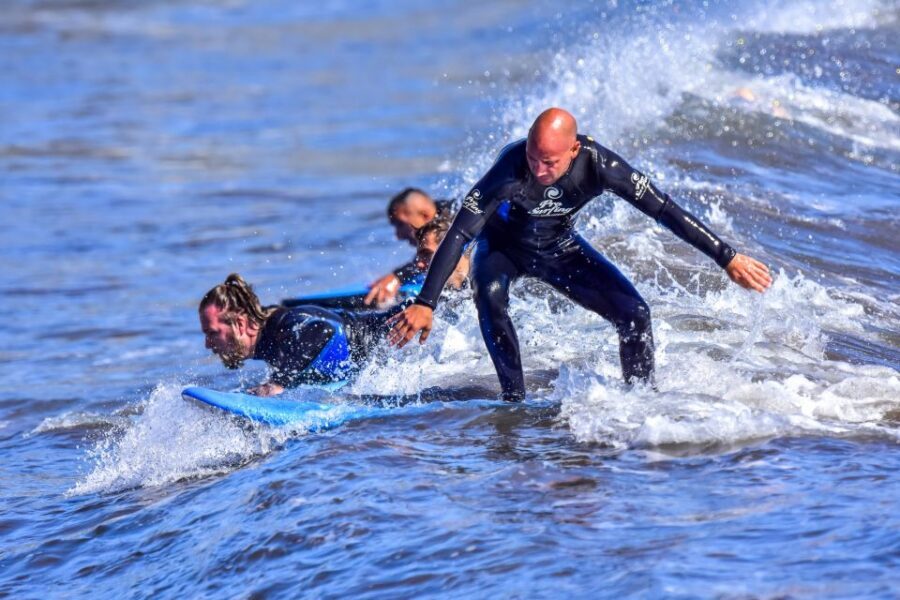
The course runs with instructors who speak English and Spanish. That’s helpful if you’re traveling with someone who prefers one language over the other, or if you just want clear instructions without guessing.
The group type is listed as private group. In practice, that usually means you’re not mixed into a huge crowd with unrelated skill levels. Reviews also highlight that the team provides personal attention and makes participants feel welcome, not treated like an anonymous number.
The coaching approach also seems to be built around matching your level. You’re grouped according to skill level, and the surf spots are selected to fit your ability. That’s how you learn faster: the conditions are challenging enough to progress, but not so far beyond you that every attempt turns into stress.
What to Bring for a Smooth Surf Day
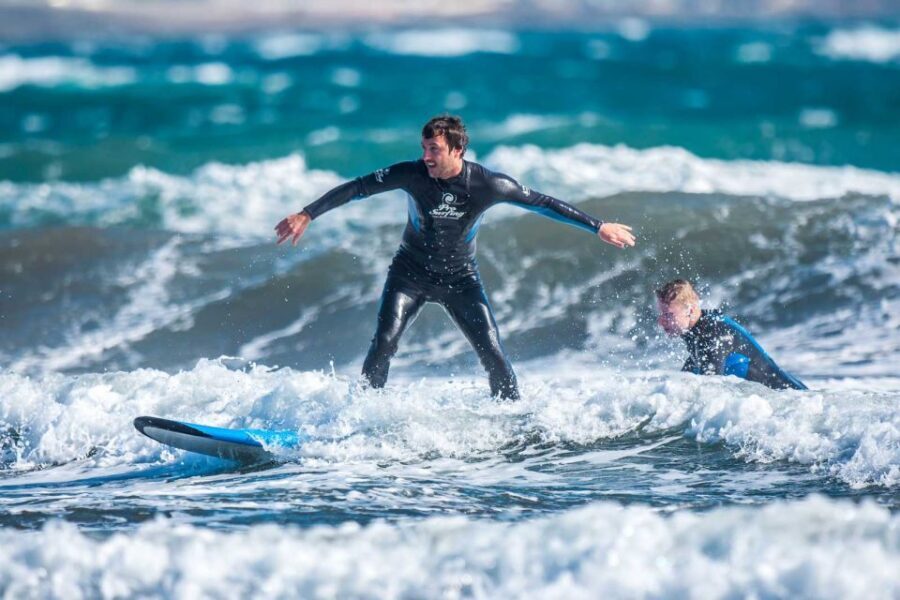
To keep the day simple, pack like you’re going to spend several hours outdoors near water.
Bring:
- Comfortable shoes
- Sunglasses
- Sun hat
- Swimwear
- A change of clothes
- Towel
- Camera
- Comfortable clothes / beachwear
- Passport or ID card (a copy is accepted)
A few practical tips:
- Bring a towel you actually like using, because you’ll want to dry off quickly after your session.
- Wear gear that dries fast. Surf days turn into a wet-to-dry cycle.
Not allowed:
- Pets
- Luggage or large bags
That’s worth noting if you’re traveling between hotels or doing this on a travel day. Keep your bag small enough to be easy.
Who This Surf Safari Course Is Best For
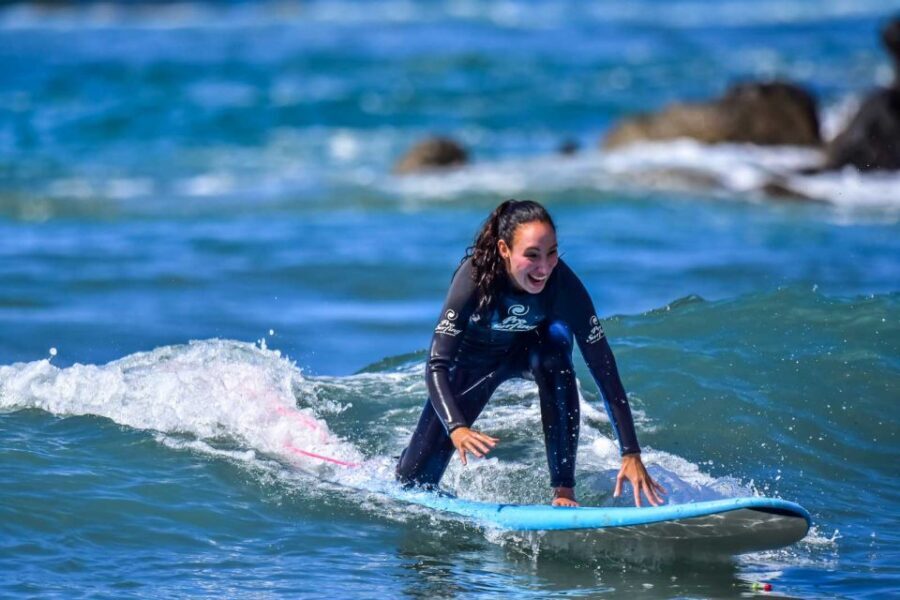
This works best if you fit one of these scenarios:
- You’re a beginner who wants a clear safety foundation and real attempts on waves you can handle.
- You’re an intermediate surfer who wants better spot selection and coaching rather than just going out on your own.
- You prefer a structured day with short theory + lots of water time, and you don’t want to burn half your morning figuring out where to go.
It’s listed as not suitable for:
- Pregnant women
- People with back problems
If you have injuries or medical limitations, I’d treat that warning seriously. Surf involves paddling, balance shifts, and falls. Even if conditions seem mild, the physical demands can still be significant.
Price and Value: Is $60 a Good Deal?
For $60, you’re paying for more than the board.
The value comes from:
- Transportation (pickup and drop-off from the south area)
- Gear (surfboard)
- Instruction and safety (introduction safety + beach theory)
- Time on waves (about 2 hours in the water)
- Skill-level matching and spot choice to reduce overcrowding
If you’ve ever tried to self-book surf lessons without transportation, the hidden costs add up fast. Here, the package handles the flow: you’re picked up, coached, fed lightly with snacks/water, then returned to your hotel.
If you’re staying outside the south area, the included pickup may not work for you, and that would change the value calculation.
The Reviews’ Biggest Patterns (What You Can Expect)
When people rate this highly, the reasons are consistent:
- They felt welcomed and comfortable from the start.
- The instructors were described as professional and supportive.
- Pickup from the hotel was called out positively, which matters because getting to the right spots on time is part of surf success.
Sophie and the team are specifically named in one strong review, which usually means the staff interaction is memorable in a good way. For a first surf experience, that’s not small. A calm, friendly tone can turn a “what if I fail” moment into a “try again” moment.
Should You Book This Surf Safari Surf Lesson?
I’d book it if you want a one-day surf experience that prioritizes coaching and wave time, not endless waiting. The all-level setup, small private format, and instructor-led spot choice are exactly what you want when you’re learning or improving without wasting energy.
I’d hesitate if:
- You’re staying outside the south and pickup won’t be convenient.
- You dislike schedule flexibility tied to tides and weather.
- You need an experience that stays at one beach the whole time.
If your goal is to go home with actual surf progress (even if it’s small), this course is built for that. You’ll get safety basics, a quick theory foundation, and enough time in the water to make learning feel real.
FAQ
What’s the duration of the Gran Canaria Surf Safari Course?
The total activity is about 4–5 hours, depending on where the ideal surf spot is for the day. The time practicing in the water is listed as around 2 hours.
Do I need to be an advanced surfer?
No. The course is designed for beginners and intermediates, with participants grouped by skill level and taken to waves that match their ability.
Where does hotel pickup and drop-off happen?
Pickup and drop-off are included for hotels in the south area only.
What time is the pickup window?
Pickup is from 8:00 AM to 8:30 AM.
Are surf spots fixed to one beach?
No. The waves are never on the same beach, so you may go to different beaches during the session.
What languages are the instructors?
The instructors speak English and Spanish.
What should I bring?
Bring comfortable shoes, sunglasses, a sun hat, swimwear, a change of clothes, a towel, and beachwear. You’ll also need a passport or ID card (a copy is accepted).
Who is the course not suitable for?
It’s listed as not suitable for pregnant women and people with back problems.