REVIEW · GRAN CANARIA
Guided tour of the Banana World
Book on Viator →Operated by Mundo Del Plátano Gran Canaria · Bookable on Viator
Bananas are never just bananas here.
In Gran Canaria’s Arucas area, Banana World is a guided banana farm and museum experience that mixes hands-on growing info with a restored Canarian house from 1804. I like that it’s focused and efficient, and you finish with banana tastings that actually feel part of the story, not an afterthought. The one thing to keep in mind: group sizes can feel a bit large in practice, so if you hate noise, plan to arrive early and get a spot closer to the guide.
You’re not stuck watching from afar.
The walk through the banana fields and interpretation space is built around cultivation, from how fruit is grown to what different banana products taste like, including banana-based wines and small snack tastings. I also like the variety in what’s served, from jams to banana wine, plus that restored house setting makes the visit feel like a real place with history rather than a quick showroom stop. The drawback is that the tour is short, so you’ll want to bring your best questions if you want extra detail.
In This Review
- Key highlights to look for
- What you’re really signing up for at Banana World
- Step inside the 1804 Canarian house in Trasmontaña
- The banana farm walk: practical cultivation talk you can follow
- Tastings: banana wine, banana jam montaditos, and more
- Shop time: take-home value beyond snacks
- Getting there around Las Palmas or from a cruise port
- If you’re coming from the cruise port (Las Palmas)
- Avoid the most common meeting-point hassle
- Group size and why it can affect your enjoyment
- Price and logistics: is $18.14 actually good value?
- Who should book this Banana World tour (and who should skip it)
- Should you book Banana World in Gran Canaria?
- FAQ
- How long is the Banana World guided tour?
- Is the tour offered in English?
- What’s included in the ticket price?
- Where does the tour start and end?
- What group size should I expect?
- Do I need to arrange private transportation?
Key highlights to look for
- A restored 1804 Canarian house with an interpretation center you can explore during the visit
- Banana farm walking route led in English, with time for questions
- Tastings you can taste right there, including banana wines and small snack bites with banana jam and more
- A smallish cap of 40 travelers, which is good for a group tour but still can feel crowded at peak times
- A shop at the end where you can buy banana-based products like jams, liqueur, and cosmetics
- Good value for the price, especially if you’re the type who likes learning something practical and then sampling it
What you’re really signing up for at Banana World
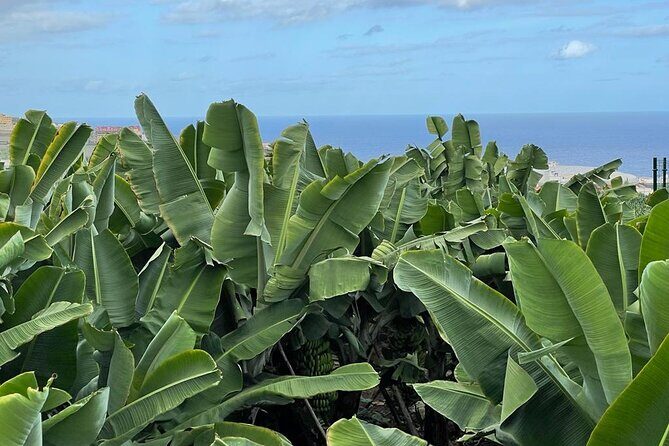
Banana World is a “short and satisfying” kind of experience. Expect about 50 minutes to 1 hour, led in English, with a guided walk that covers how banana cultivation works on Gran Canaria, followed by tastings and time in the shop.
This isn’t just a photo stop with a few signs. The tour is built around the farm setting plus a real, restored home—so you get both the practical side (how bananas grow) and the cultural side (how locals turned the crop into everyday products). If you like your travel with a little hands-on learning and a payoff you can taste, this fits.
At $18.14 per person, the price is reasonable for three reasons. First, you get guidance (not self-guided wandering). Second, you get multiple tastings—banana wines and snack bites made with banana-based products. Third, if you drive, parking fees are included, which helps keep the total cost from creeping up.
Other Banana World tours we've reviewed in Gran Canaria
Step inside the 1804 Canarian house in Trasmontaña
The heart of the visit is at Trasmontaña, part of the Gran Canaria banana farm area near Arucas. You’ll be guided through the property and spend time at a Canarian house dating from 1804, fully restored to its original architecture.
That matters more than it sounds. A restored building gives you a sense of place. It also gives the guide a natural way to explain how bananas fit into island life—how the crop became food, drink, and everyday goods. You’re not just hearing facts; you’re in the setting that explains why those facts matter.
Inside, you’ll find an interpretation center and a shop area. The shop is where the experience ties a bow on the visit, because you can see the products mentioned and take some home. In the tastings, you’ll also get a sense of what the island does with bananas beyond the fruit itself.
The banana farm walk: practical cultivation talk you can follow
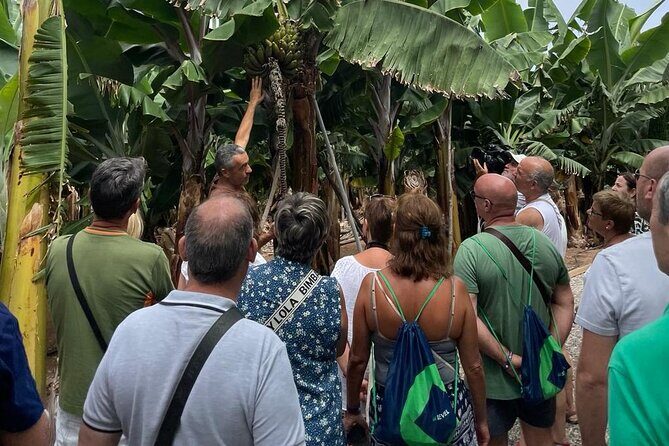
During the guided portion, you’ll walk through a small portion of the plantation while the guide explains cultivation. The key goal is clarity: what makes the banana growing process different here, and what farmers focus on to keep fruit healthy.
I like tours that don’t get lost in trivia. This one is set up to teach the basics and then move on, so you leave with real takeaways: what goes into cultivation and how the property works as a working banana-growing site. It’s also a good fit if you’re visiting with kids, since the pacing is short and the guide’s tone tends to be upbeat.
One practical note: because it’s popular and group tours can run with many people, you’ll get the most out of it by positioning yourself early. If you’re sensitive to hearing, don’t hang back at the edges—you want to be where you can actually catch the guide’s explanation.
Tastings: banana wine, banana jam montaditos, and more
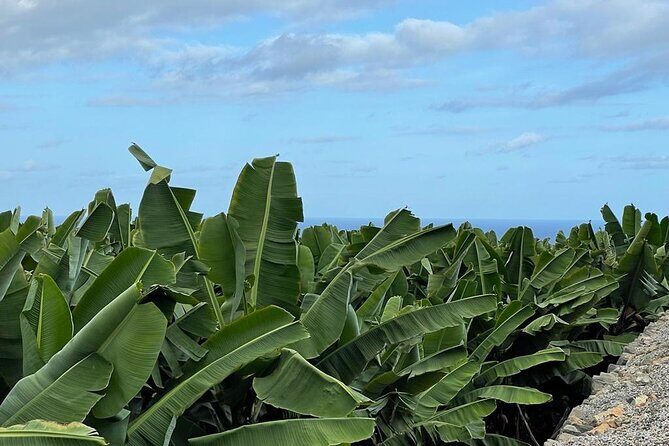
This is where Banana World earns its place on a short itinerary. The included tastings aren’t random bites; they’re banana-based and meant to show how the fruit becomes island products.
Here’s what’s included:
- Alcoholic beverages: tasting of different banana-based wines made in the Canary Islands
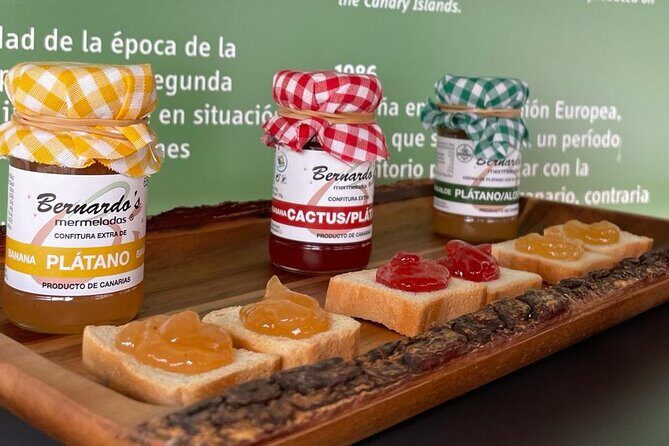
- Snacks: small montaditos with banana jam, plus banana with cactus and banana with aloe vera
- Parking fees (if you drive)
That lineup is a strong mix of sweet and unusual. Banana jam is expected, but banana with cactus and banana with aloe vera feels more like a genuine local twist than a generic tasting platter. If you’ve only ever had bananas as plain fruit, this is the part that makes the tour feel worth it.
If you’re not drinking alcohol, you can still enjoy the rest, but the tour’s structure does include wine tastings as part of the included package. So just keep that in mind for anyone who prefers to avoid alcohol.
Shop time: take-home value beyond snacks
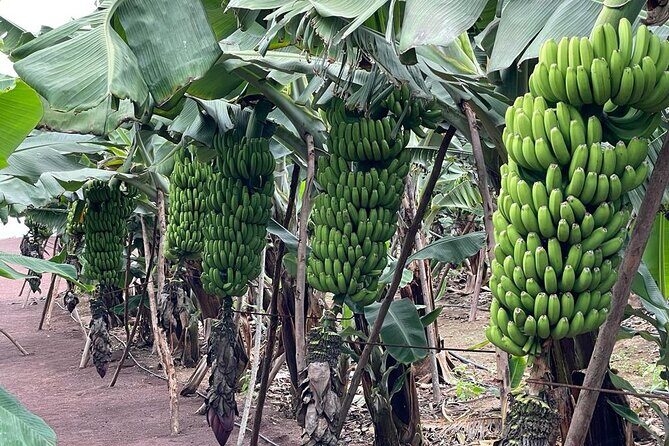
After the guided portion, you’re set up to spend time in the shop. People consistently point out that the shop is a big part of the fun because you can buy banana products you tried during the tour.
From the info you’re given, you can look for things like:
- banana jams and banana jam variations
- banana wine (and related products)
- banana-based liqueur
- banana-related cosmetics
- products made with bananas more broadly, not just jam
This is a good stage to slow down. If you liked the tastings, buy while the flavors are fresh in your mind. Also, if you’re traveling with food gifts in mind, this is an easy way to bring home items that aren’t available everywhere.
Other guided tours in Gran Canaria


Getting there around Las Palmas or from a cruise port
One of the biggest practical questions is how to reach the meeting point without a private transfer. The tour meets at Cam. del Laurel, 7, 35413 Arucas, Las Palmas, Spain, and it ends back at the meeting point.
You’ll also see that the tour is described as near public transportation, which is great news in a region where “easy” can still mean a little walking.
If you’re coming from the cruise port (Las Palmas)
If you’re starting at the Muelle de Cruceros area, one useful bus approach is the 210 blue bus toward Arucas. A detailed route was shared like this:
- Start at the outbound stop for bus 210 (GLOBAL – L210 Arucas), at Ambulatorio De Alcaravanera 35010
- Take the bus to El Lomito
- Walk about 10–15 minutes to the tour start at Cam. del Laurel, 10 (people note the address around Cam. del Laurel)
For the return, the 210 picks up across the street from where you were dropped off. If you prefer less walking, you can connect via the Intercambiador Santa Catalina area and the Mesa y López (C.S. Alcaravaneras) bus stop, then transfer to the 210.
Takeaway: you can do it by bus, but build in time. Bus routes and walking add up, especially if you’re trying to get back to the ship with a comfortable buffer.
Avoid the most common meeting-point hassle
A couple of important on-the-ground notes matter more than you’d think:
- The safest move is to go to the entrance/shop area and register rather than just waiting outside for someone to find you.
- The meeting-point pin on some maps may not match the exact spot, so if you arrive early, follow the on-site entrance direction cues.
If you want the smoothest start, I’d plan to arrive a few minutes early and be ready to walk into the shop/entry area right away.
Group size and why it can affect your enjoyment
On paper, the tour is capped at 40 travelers, which sounds manageable. In reality, one person reported that the group felt too large for one guide, making it hard to hear explanations.
So here’s the balanced take:
- If you’re fine with a lively group and you can get close to the guide, you’ll likely have a great time.
- If you’re hard of hearing or you dislike loud, crowded tours, you should aim for a quieter time of day and position yourself early.
The good news? Most feedback is very positive, and guides are described as friendly and good at answering questions. Names that show up include John, Dani, Fatima, Ismael, Ion, Maria, JC, and Steven, which is a nice sign that the experience relies on trained, personable guides.
Price and logistics: is $18.14 actually good value?
For $18.14, you get a lot packed into a short window:
- Guided explanation of banana cultivation
- Access to a restored 1804 house and on-site interpretation space
- Tastings: banana wine plus several snack bites with banana-based flavors
- Parking fees included if you drive
What’s not included: coffee/tea and private transportation. That’s not unusual, but it means you may want to plan a coffee stop elsewhere if you need one.
The value calculation is simple. If you’d pay for a standard museum visit plus a tasting, this is a better deal because the tastings are built in. It also helps that the duration is short—meaning you won’t feel like you spent half a day getting to and from something that only takes an hour.
Who should book this Banana World tour (and who should skip it)
This is a strong choice if you:
- Want a short, guided experience in Gran Canaria’s Arucas area
- Like learning about how food grows and then tasting the results
- Enjoy small, guided groups and don’t need a long, slow pace
- Travel with kids, since the tone tends to be fun and the time on-site is not overwhelming
It may be less ideal if you:
- Absolutely need total quiet for learning (group noise can be a factor)
- Hate any alcohol tastings being part of the included package
- Want a long, deep, multi-stop itinerary (this is focused and short)
Should you book Banana World in Gran Canaria?
If you want a high-value, low-time experience with both education and taste, I think Banana World is worth booking. It’s one of those tours where the price makes sense because you’re not just paying for access—you’re paying for explanation plus included banana tastings in a setting that feels real.
Book it if your day can handle a roughly 50-minute to 1-hour slot and you’re in the mood to learn about banana cultivation in the Canary Islands, then sample products made from the fruit. Consider skipping if you’re looking for a long farm day, or if group noise is a deal-breaker for you.
If you do book, show up ready to check in at the entrance area, not just at the outside meeting point, and you’ll likely have a smoother start.
FAQ
How long is the Banana World guided tour?
It runs about 50 minutes to 1 hour.
Is the tour offered in English?
Yes, the experience is offered in English.
What’s included in the ticket price?
The tour includes banana-based wine tastings, snacks (montaditos with banana jam and banana with cactus and aloe vera), and parking fees.
Where does the tour start and end?
The meeting point is Cam. del Laurel, 7, 35413 Arucas, Las Palmas, Spain, and the tour ends back at the meeting point.
What group size should I expect?
The activity has a maximum of 40 travelers.
Do I need to arrange private transportation?
No private transportation is included, so you’ll need your own plan to get there (but it’s described as near public transportation).