REVIEW · GRAN CANARIA
From Puerto Rico de Gran Canaria: Dolphin Watching Cruise
Book on GetYourGuide →Operated by Spirit of the Sea · Bookable on GetYourGuide
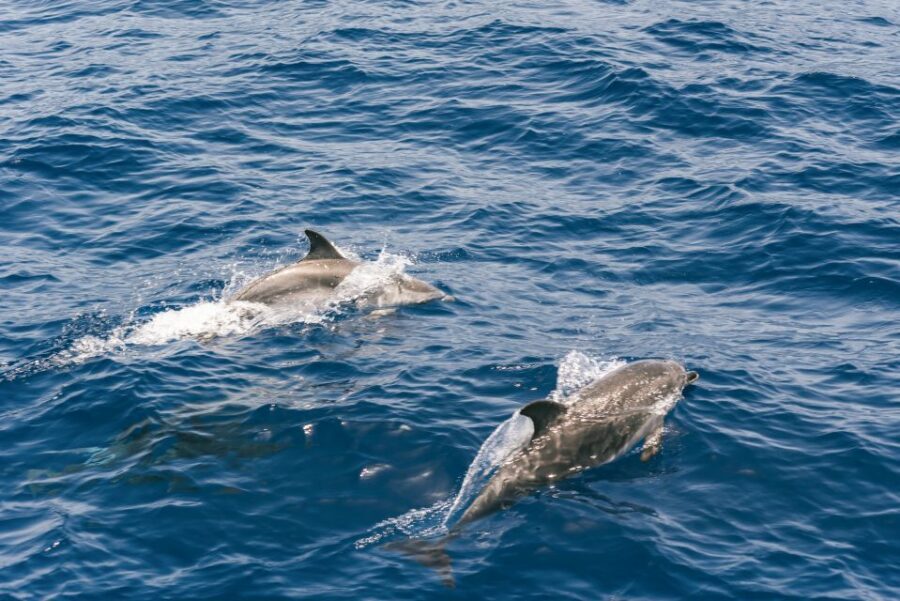
Dolphins in Gran Canaria waters feel close. This 2.5-hour cruise off the island’s southwest coast is built around one simple goal: helping you spot dolphins and other cetaceans fast, with an on-board team guiding you to likely species. I especially like the way the crew teaches you how to identify what you’re seeing, not just point and hope.
The second thing I like a lot is the sighting guarantee: if you don’t see cetaceans, you get a voucher for another trip. The one real drawback to keep in mind is the Atlantic can get bumpy—so if you’re prone to seasickness, you’ll want to prepare ahead of time.
In This Review
- Key takeaways before you go
- Why Gran Canaria’s southwest waters are a good bet
- Spirit of the Sea: comfort, glass-bottom viewing, and the reality of the sea
- Getting to the port: transfers from the south without the Las Palmas hassle
- The search at sea: what the crew actually does for you
- What you might see beyond dolphins (and why that matters)
- The underwater moment: glass-bottom viewing plus the “watch, don’t block” rule
- Small extras that boost the day: coastline return and swim stop
- Price and value: is $47 a fair deal?
- Who this cruise suits best (and who should think twice)
- Should you book Spirit of the Sea dolphin watching from Puerto Rico?
- FAQ
- How long is the dolphin watching cruise?
- Where does the cruise depart from?
- Is pickup included?
- Is pickup available from Las Palmas city?
- What’s the chance of seeing dolphins?
- What happens if no cetaceans are seen?
- What languages are the crew/guides?
- Does the boat have a glass-bottom area?
- Can I buy drinks or snacks on board?
- What should I do if I get seasick?
- Should you book Spirit of the Sea dolphin watching from Puerto Rico?
Key takeaways before you go
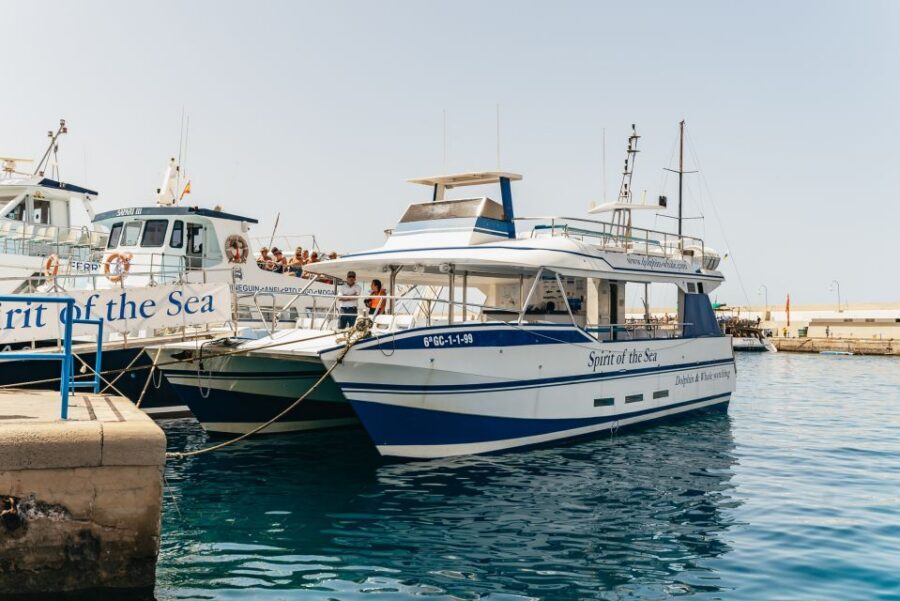
- Large catamaran with a glass-bottom viewing area for an underwater perspective (access varies by where you need to go on board).
- Up to 30 cetacean species are possible in these waters, so even a slower day can still turn interesting.
- Expert, multilingual crew helps you recognize species during sightings.
- Respect-first wildlife watching, with repeated emphasis on not disturbing animals.
- If the search is unsuccessful, you get a complimentary return voucher for another attempt.
- Optional downtime moments like a short swim stop and time to enjoy the coastline on the way back.
Why Gran Canaria’s southwest waters are a good bet
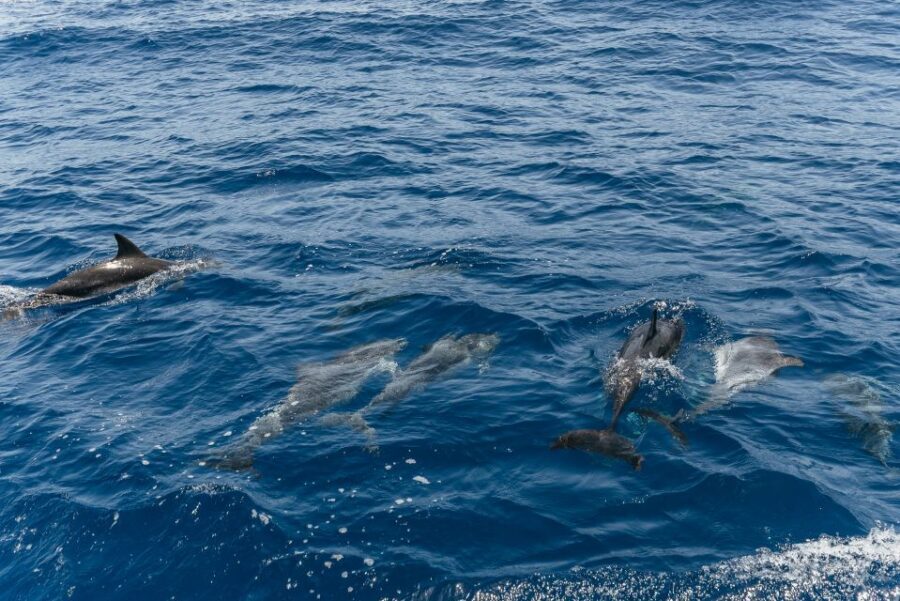
Gran Canaria sits in one of Europe’s most active marine zones, with around 30 species of cetaceans that may show up in these waters. That’s why this cruise isn’t just a one-species hunt. Depending on the day, you could run into dolphins (most likely), and sometimes whales, porpoises, and even orcas are on the longer list of possible sightings.
What makes this area work for wildlife spotting is the mix of clear water and active animal movement. In practice, it means you’re not just scanning a random horizon for a dot. You’re looking in a region where the chances of multiple encounters are genuinely higher than average, and where the crew is actively searching instead of treating the trip as a sightseeing ride.
Other Gran Canaria tours we've reviewed in Gran Canaria


Spirit of the Sea: comfort, glass-bottom viewing, and the reality of the sea
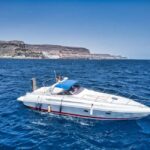
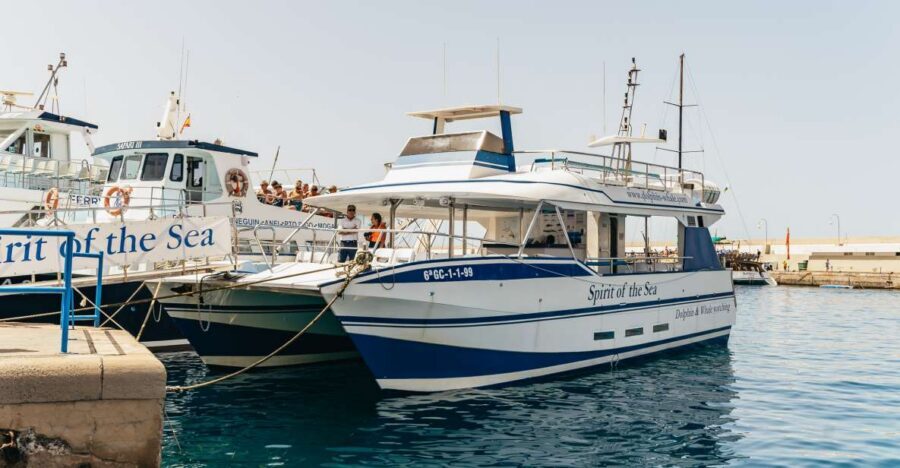
The boat here is the catamaran Spirit of the Sea, which carries up to 97 passengers. That number matters more than you might think. A smaller-feeling boat gives you room to shift your viewing position without constantly bumping into people, and it also makes it easier for crew members to help everyone find the action.
You also get the promised glass-bottom viewing. The big idea is simple: instead of only watching from the top deck, you can catch an underwater look from below—great when marine life is cruising just under the surface. That said, don’t assume glass-bottom access will be effortless for everyone. One mobility-related account noted steep, narrow steps down to the glass-bottom area, so if you have limited leg strength or balance, plan around that when choosing where you’ll spend your time on board.
The boat includes essentials like restrooms and a bar area (soft drinks, beer, water, and snacks), but those items cost extra. The practical takeaway: bring a layer and a plan for water/coffee/food that isn’t included, and assume you’ll rely on what’s on the boat plus a quick stop later on land.
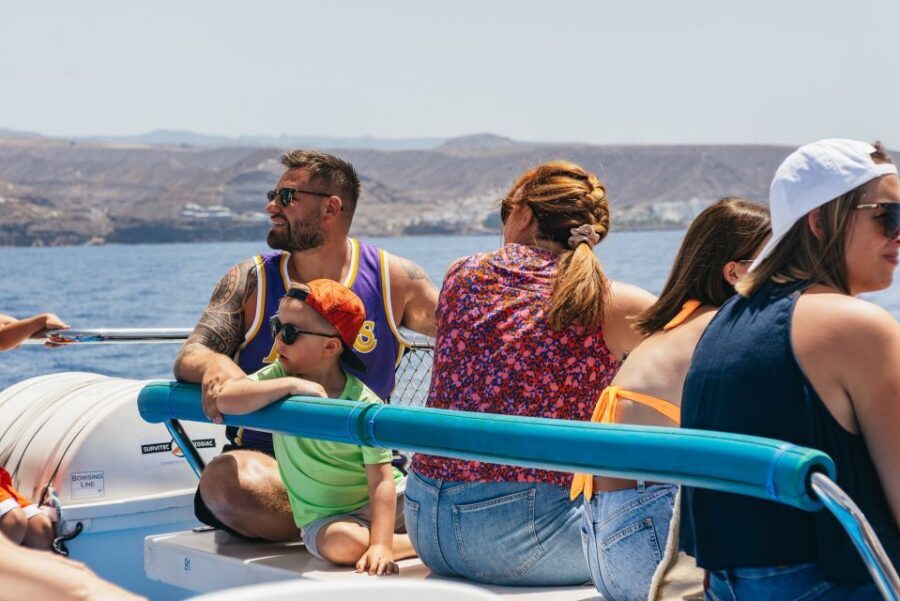
And yes—this is the Atlantic. Even while stopped, the ride can feel motion-y in places. If you’re the type who gets car-sick when you’re not driving, treat seasickness as a “might happen” situation, not a surprise.
Getting to the port: transfers from the south without the Las Palmas hassle
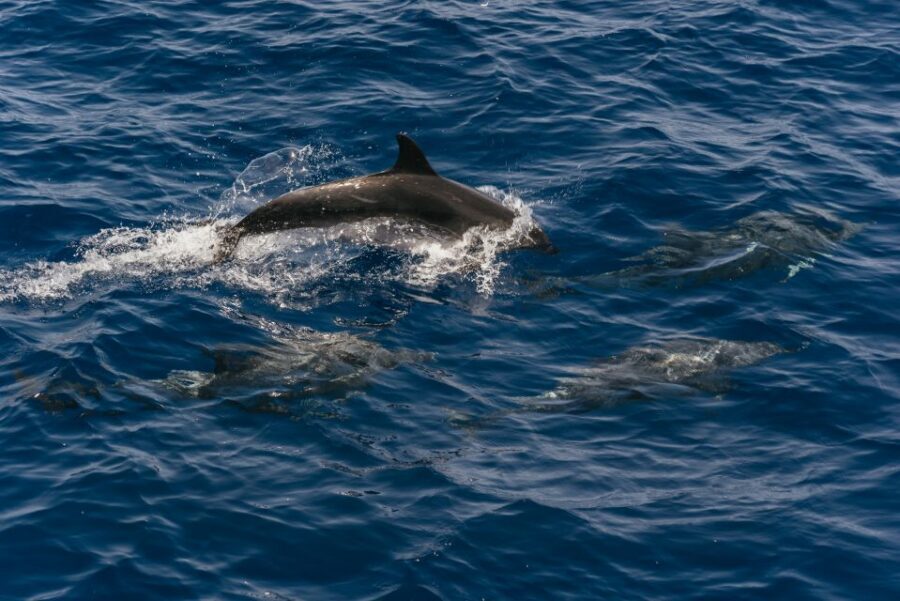
Most departures are built around Puerto Rico de Gran Canaria as the main starting point, with cruise time running daily. You’ll meet the operation at the Puerto Base dock and look for the Spirit of the Sea.
For a lot of people, the smoother part of the day is the transport: there’s a return transfer service from Gran Canaria’s southern area. Pickup can be optional from nearby zones such as Mogán, Taurito, Playa del Inglés, Maspalomas, San Agustín, and Bahia Feliz. What you don’t get is pickup from Las Palmas city—so if you’re staying farther north, you’ll likely need to handle your own way to Puerto Rico.
Here’s the real value of the transfer system: it keeps you from having to coordinate taxis with a tight timing window. You’re also less likely to lose time figuring out where the boat docks when you’re already traveling.
Plan for a bus ride on both sides of the cruise. In day-to-day terms, you should think of this as a half-day plan with a bit of land travel before you even reach the water.
The search at sea: what the crew actually does for you
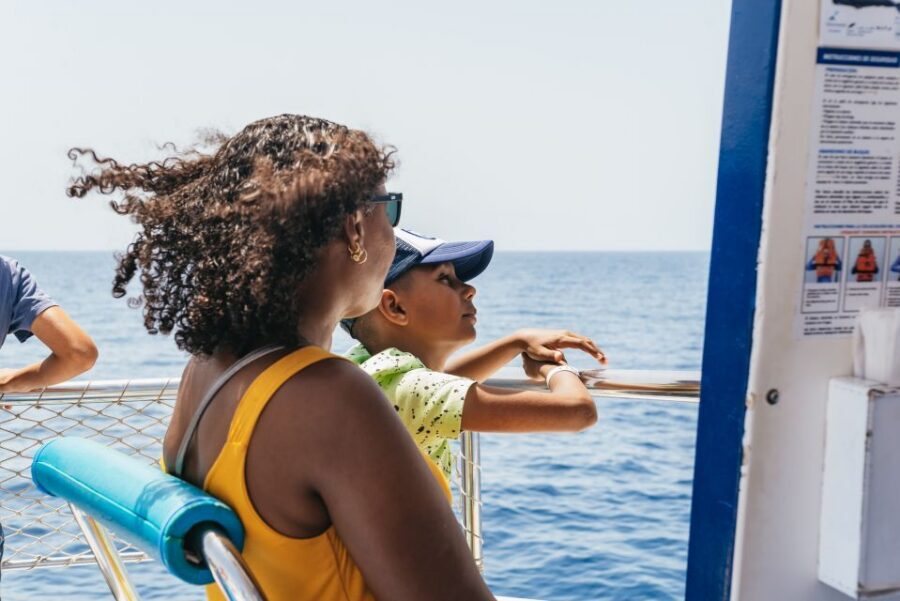
Once you’re out, the experience turns into an active wildlife lesson. The crew’s job isn’t just to say dolphins, dolphins, dolphins. Their role is to help you read what’s happening—which direction animals are moving, how they behave when they’re feeding or traveling, and how to separate one kind of sighting from another.
That’s why the trip feels different from a casual boat tour. Instead of everyone staring forward and hoping, you’re given enough guidance to look like you know what you’re doing. Even when the animals appear briefly, the experience becomes about spotting patterns fast.
Multiple accounts also mention a key operational advantage: boats coordinate and share sightings when something is found. You won’t see that on a brochure, but it can help explain why sightings are frequent and why the crew seems confident that the search is part of a bigger network of eyes on the water.
What you might see beyond dolphins (and why that matters)
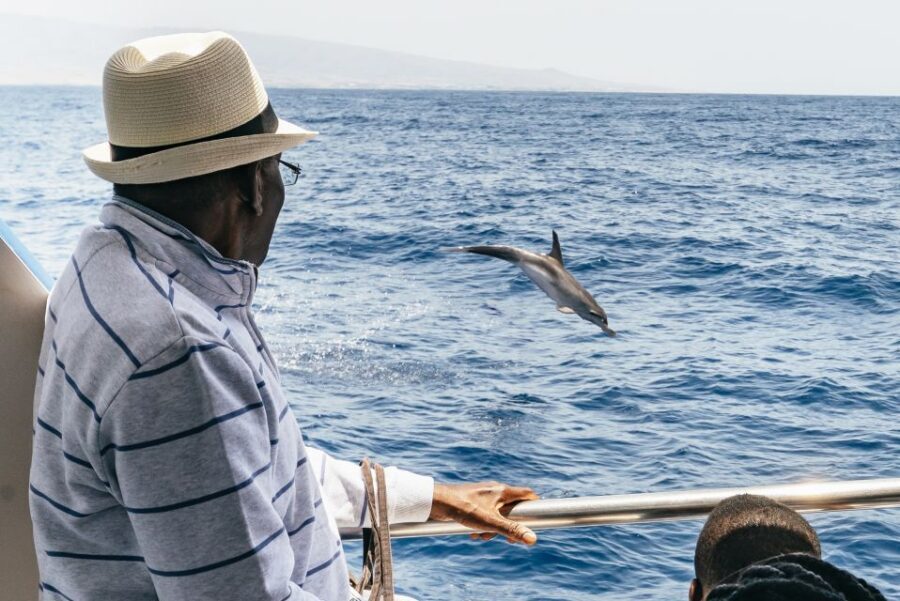
Dolphins are very likely, and that’s reflected in the overall success rate people describe. But what I like about the way this cruise is set up is that it doesn’t lock you into one expectation.
Depending on the day and conditions, you may spot:
- Whales (some reports include sperm whale sightings)
- Turtles, which several people mention seeing during the cruise
- Flying fish (again, reported by passengers)
- Different dolphin “types,” including sightings described as very large pods
One very helpful mindset: treat the dolphin sighting as the headline, and everything else as bonus. When you’re not forcing the day to be only about one animal, you’re more likely to enjoy the full cruise—especially if the animals show up in a pattern rather than a single long show.
Also notice this detail: sightings are described as respectful and not based on chasing. That matters because it usually means the crew is prioritizing the animals’ behavior over trying to force proximity.
Other dolphin & whale watching tours we've reviewed in Gran Canaria

The underwater moment: glass-bottom viewing plus the “watch, don’t block” rule
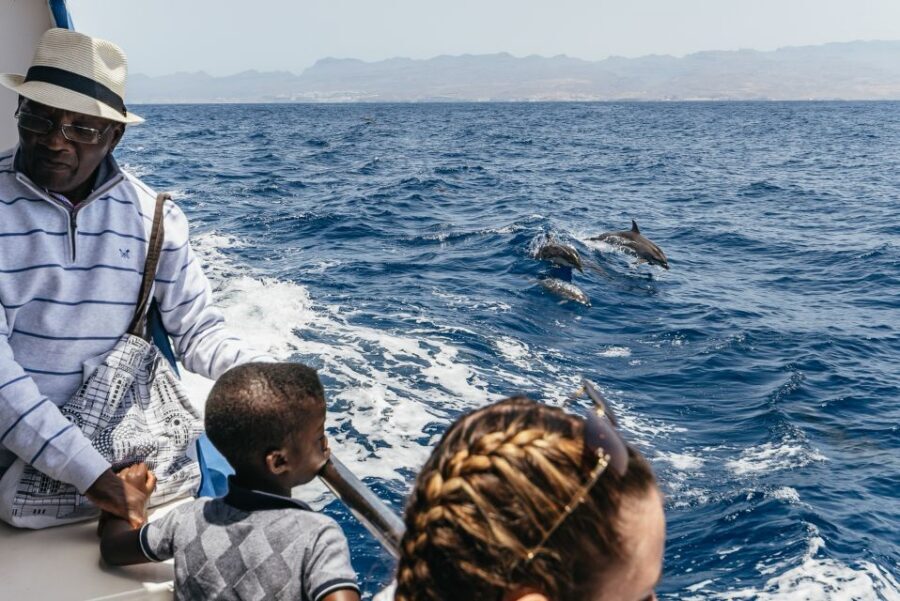
The glass-bottom area is one of the most distinctive features here. If marine life is close to the surface, it can be genuinely cool to see what’s happening under you, not just what’s splashing above.
But there’s a real practical issue. One accessibility-related report said the glass-bottom setup wasn’t what they expected because people had to go below deck, and they also saw others blocking views when dolphins appeared. So if you want the best underwater look, keep your expectations realistic:
- Use the glass-bottom time when animals are near.
- Don’t crowd the moment. Move calmly and stay aware that others are also trying to view.
Even with that, glass-bottom viewing can be worth it because it adds a layer you won’t get from every dolphin cruise around the islands.
Small extras that boost the day: coastline return and swim stop
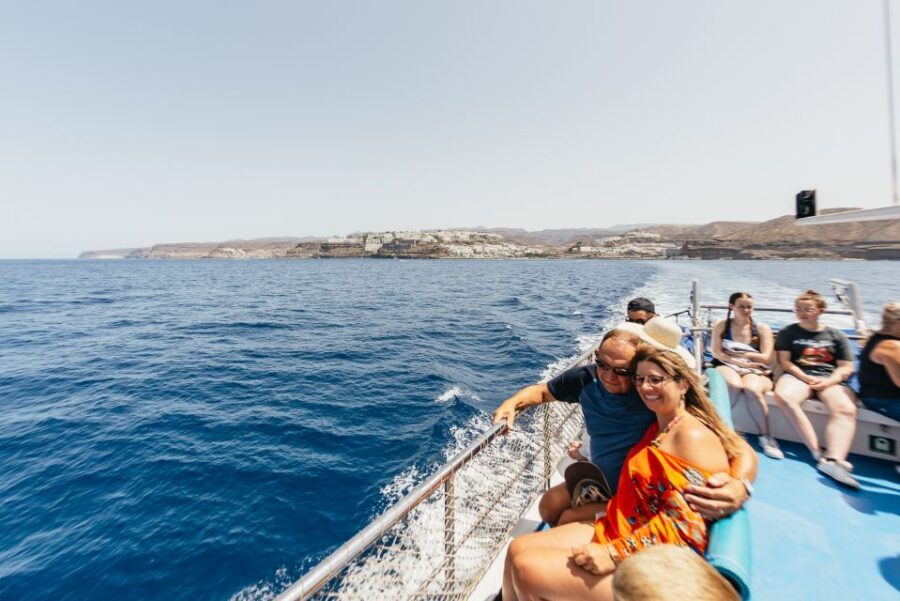
The cruise doesn’t end at animal spotting. On the way back, you’ll cruise along the coastline, and people repeatedly mention the coastal views as a relaxing payoff after the action at sea.
There’s also mention of a short swim stop near the end. Even if you don’t go in, it helps break up the day and adds something physical and memorable beyond just watching. If you do swim, it’s usually short and simple—so think of it as a quick reset rather than a full beach plan.
Price and value: is $47 a fair deal?
At about $47 per person for a 2.5-hour cruise, the value depends on what you care about.
You’re paying for three things that are hard to get together elsewhere:
- A real search effort for cetaceans, not just a ride with a “maybe dolphins” vibe.
- Guided spotting so you can actually learn what you’re seeing.
- A return guarantee, meaning you’re not totally stuck if the day goes quiet. The voucher is described as valid for another trip (one-year validity is stated).
That guarantee shifts the risk. Boat sightings are wildlife—meaning you can’t control the ocean—but the operator is acknowledging that and giving you a second chance. In plain terms: you’re buying the best shot at a dolphin encounter plus a safety net.
Extra items like drinks and snacks aren’t included, so factor in a little spending if you plan to purchase on board. Otherwise, it’s a straightforward price for a structured half-day outing.
Who this cruise suits best (and who should think twice)
This is a strong fit if:
- You want maximum time on the water for dolphin and whale spotting without a full-day commitment.
- You like having a crew help you interpret what you see.
- You’re okay with an active search and changing plans on the fly.
- You want a family-friendly outing (many mentions include kids enjoying the trip).
It’s less ideal if:
- You’re extremely sensitive to motion. The route can be rough in some areas, and even though the crew looks after people, discomfort is still discomfort.
- You have difficulty with stairs or mobility transitions—glass-bottom access may involve moving to below-deck areas. The boat is accessible and includes restrooms, but the specific viewing route to glass can still be a limitation for some people.
If seasickness is your main concern, take it seriously before you board. The advice given is consistent: consider taking seasickness pills in advance, focus your gaze on a fixed point, avoid reading or heavy phone use, drink water, and avoid fatty foods before sailing.
Should you book Spirit of the Sea dolphin watching from Puerto Rico?
I think you should book if your goal is a guided, real wildlife outing with a good chance of dolphins, plus the comfort and backup of a return voucher if the search doesn’t turn up cetaceans. You’ll also enjoy it more if you’re the kind of person who likes learning as you go—because the crew’s spotting help is a big part of why this cruise works.
Skip it or take extra precautions if you know you get very sick at sea or you can’t comfortably manage the boat’s movement and internal steps needed for different viewing areas.
If you’re flexible, plan for motion, and bring a layer, this cruise is a very practical way to see why Gran Canaria’s waters are famous for marine life.
FAQ
How long is the dolphin watching cruise?
The excursion lasts about 2.5 hours on the water.
Where does the cruise depart from?
It departs daily from Puerto Rico de Gran Canaria, with meeting at the Puerto Base dock. Look for the Spirit of the Sea boat.
Is pickup included?
Return transfer service is included from the island’s southern area. Pickup is optional from Mogán, Taurito, Playa del Inglés, Maspalomas, San Agustín, and Bahia Feliz.
Is pickup available from Las Palmas city?
No. Pickup from Las Palmas city is not included.
What’s the chance of seeing dolphins?
Dolphin sightings are very likely. Cetacean sightings aren’t guaranteed, but the operator runs a search and provides a return voucher if nothing is spotted.
What happens if no cetaceans are seen?
If the team is unable to spot any cetaceans during the excursion, you receive a complimentary voucher to enjoy the experience again (valid for one year).
What languages are the crew/guides?
The host or greeter and team support include English, Spanish, German, and French.
Does the boat have a glass-bottom area?
Yes, the Spirit of the Sea has a large glass-bottom area for underwater viewing.
Can I buy drinks or snacks on board?
There is a bar area with soft drinks, beer, water, and snacks, but these are not included in the price.
What should I do if I get seasick?
If you’re prone to seasickness, it’s recommended to take sickness pills in advance as directed, focus on a fixed point, avoid reading or using your phone, drink plenty of water, and avoid fatty foods. The boat can move in Atlantic conditions.
Should you book Spirit of the Sea dolphin watching from Puerto Rico?
Book it if you want a guided cetacean hunt with a strong focus on helping you spot animals and a return voucher if the day is quiet. Just don’t ignore sea conditions—prepare for possible motion, and if you need easy access to specific viewing spots, plan around how the glass-bottom area is reached.