REVIEW · GRAN CANARIA
Gran Canaria: Rural Villages Guided Sightseeing Tour
Book on GetYourGuide →Operated by Discovery jeep safari · Bookable on GetYourGuide
Gran Canaria has a way of surprising you fast. This rural villages day trip strings together mountain towns, viewpoints, and the island’s famous cave houses into one smooth, guided loop.
I especially like the mix of Tejeda and Artenara—you get both a classic old-town feel and those incredible cave-house streets in the same day. I also like that the drive shows you sides of the island you’d never stitch together on your own without wasting time.
One thing to plan around: it’s not a long-stay tour. You’ll have short breaks and photo windows, so if you like roaming slowly, you may feel a bit rushed. Also, it runs rain or shine, so pack for weather changes.
In This Review
- Key highlights worth marking
- Why this Gran Canaria rural villages loop makes sense
- Starting the day in the south: pickup near Maspalomas
- Fataga and Tejeda: village stops that feel old in the best way
- Artenara cave houses: the stop with the most wow-per-minute
- Ayacata, Fontanales, and miradores: the mountain rhythm
- The north-coast break: waves, banana fields, and a contrast day
- Las Palmas on the drive: a taste of the island’s city edge
- The optional Canarian lunch: when to add it
- Tour comfort and pacing: AC, curvy roads, and realistic expectations
- Value check: is $83 per person a good deal?
- Guides make or break it (and this one tends to hit)
- Should you book this rural villages tour?
- FAQ
- How long is the Gran Canaria rural villages guided sightseeing tour?
- What does the price include?
- Is lunch included?
- Where is pickup available?
- What languages are the tours offered in?
- Does the tour run in bad weather?
- What should I bring?
- What isn’t allowed on the tour?
- Is the tour suitable for people with mobility impairments?
- Is cancellation possible?
Key highlights worth marking
- Tejeda’s antique center plus a chance to stop for almond treats at a well-known bakery
- Artenara’s cave houses with a guided walk and plenty of photo angles
- Fataga for a feel of the island’s older, village core—plus scenic stops on the way
- Miradors and north-coast views where you can watch the waves and soak in the contrast
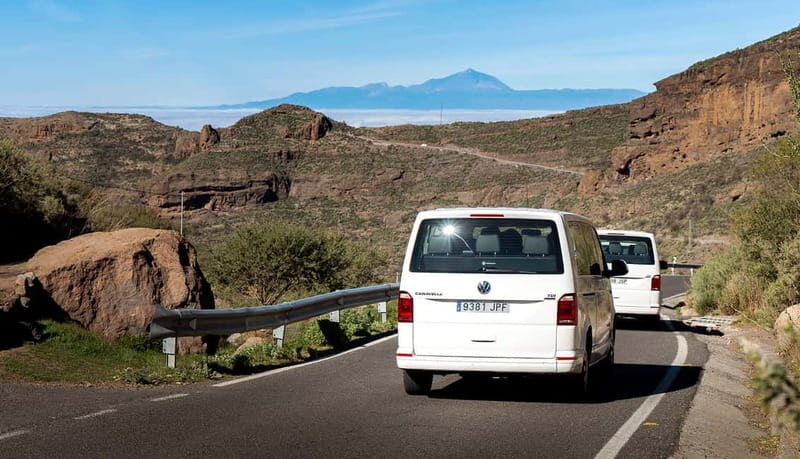
- Air-conditioned comfort on a full day of mountain driving and curvy roads
- Optional Canarian lunch in a mountain area, when you want to slow down and eat
Why this Gran Canaria rural villages loop makes sense
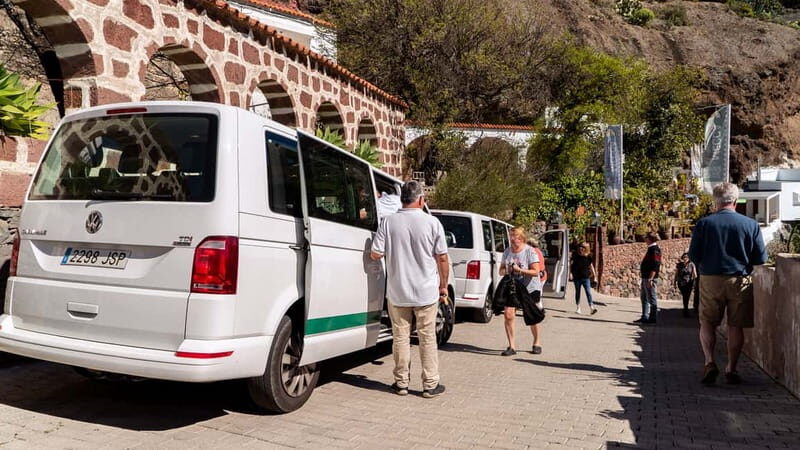
If you’ve only got a few days on Gran Canaria, this tour is built for efficiency without feeling like a speed-run. You start in the south, then climb up through valleys and villages, and finish by taking you back down with a north-coast hit along the way.
The big win is variety. You’re not just driving past views—you’re stopping where the island tells its story: old centers like Tejeda and Fataga, the unique cave-house layout in Artenara, and the viewpoint rhythm of miradores. Guides also help you “read” what you’re seeing—why these towns sit where they do and what the island’s different sides look like in real life.
The other practical win: roundtrip hotel pickup and drop-off in the south means you don’t have to coordinate buses, taxis, and timing on your own.
Other Gran Canaria tours we've reviewed in Gran Canaria

Starting the day in the south: pickup near Maspalomas
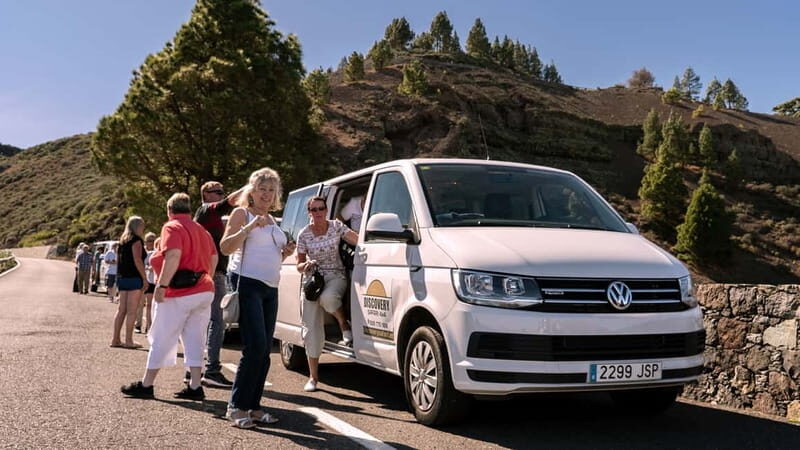
Most departures begin from the Maspalomas area. Pickup is offered across a long list of hotels and even a few central meeting points, but the key rule is simple: pickup and drop-off are only in the south of Gran Canaria. After the van collects everyone, you get a quick safety briefing and a short photo pause.
What I like about the start is how it sets the tone. You’re not stuck with a formal lecture before you even see anything. Instead you’re out on the road with a guide who quickly gives you a sense of what’s coming next—and why the route matters.
If you’re prone to getting carsick, bring what works for you. This day involves mountain roads and curves, and while the driving is handled well by the guides and drivers, you’ll still feel the road motion on a long day.
Fataga and Tejeda: village stops that feel old in the best way
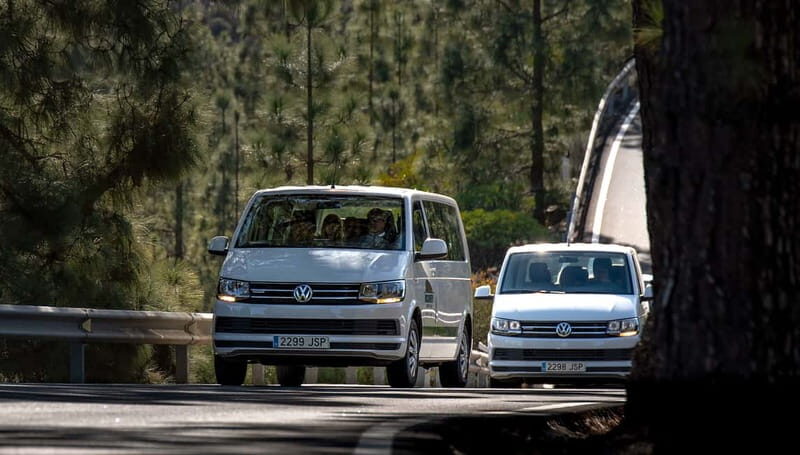
Fataga is your first taste of the island’s inland character. You’ll stop for photos and a scenic drive through the surrounding area, then you get time to step into the village vibe. It’s a good early break because it helps you shift gears from resort Gran Canaria into something more lived-in and textured.
Tejeda is where the day really leans into “old town” mode. You’ll get a break with a mix of time to explore the antique center and time to photograph. One detail I think is worth planning for: there’s a stop connected to a famous almond bakery. If you’re into local snacks, this is the kind of moment that’s easy to miss if you’re traveling on your own.
Why these stops work: both Tejeda and Fataga feel like you’re walking through the island’s layers—architecture, street layout, and that mountain-town rhythm. Even if your time there is limited, you leave with a mental map of where Gran Canaria’s character shifts.
Possible drawback: these are short visits. You can enjoy them, but you probably won’t “finish” them like you would if you were staying overnight in Tejeda.
Artenara cave houses: the stop with the most wow-per-minute
Artenara is the headline attraction on this route, and for good reason. You’ll arrive for photos and then get a guided look and some walking time through the area of the cave houses.
The best way to think about Artenara is not just as a curiosity, but as a solution the island people found—housing shaped by the terrain. When you walk around with a guide pointing out details, the cave-home layout makes more sense. It also helps you photograph better, because you’ll know where to stand for the best views of the cave-house faces and the hillside setting.
From the way guides run the walk, you can expect the day to slow down just enough here. It’s not just pass-by sightseeing. You get context and time to take photos before the trip moves on.
If you’re sensitive to uneven ground, bring steady shoes. The tour is marked as not suitable for mobility impairments, and while the cave houses can be viewed from different spots, you shouldn’t treat this as a fully flat, wheelchair-friendly walk.
Ayacata, Fontanales, and miradores: the mountain rhythm
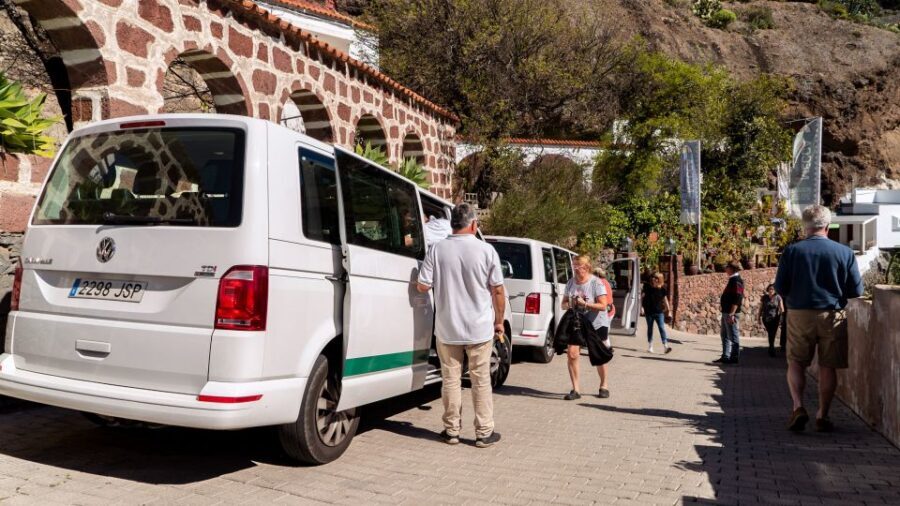
After the village stops, the route starts climbing harder. You’ll pass viewpoints and take in panoramas from higher altitude areas like Ayacata and the mountain corridor near Fontanales.
You’ll also make a stop at Monte Pavón Mirador. This is one of those “stand still for a minute” moments. The point isn’t only photos—it’s orientation. From up here, you can understand why one side of Gran Canaria feels dry and dramatic while the other can look completely different.
You may also travel through sections of laurel wood as part of the drive. Even without going on foot, it changes the feel of the day. It’s one of those quiet shifts you notice when your guide points it out.
One tip from the practical side: the north side can feel cooler than what you’re used to in the resort zone. If you tend to run cold or hate wind, consider bringing a layer even in warmer months.
Other guided tours in Gran Canaria

The north-coast break: waves, banana fields, and a contrast day
One of the most memorable parts of this tour is the shift toward the north coast. You’ll pass banana plantations and then stop for that north-coast view where you can watch the waves splash and feel the difference in scenery from the south.
This section matters because Gran Canaria isn’t one single “look.” The contrast is the point. You get a firsthand comparison between the resort-fed south and the more exposed northern feel—rockier edges, ocean energy, and different light.
Time here is shorter than the cave-house stop, so you’ll want to have your camera ready and your layering dialed in. If it’s windy, you’ll appreciate being prepared.
Las Palmas on the drive: a taste of the island’s city edge
Later in the day you’ll pass Las Palmas, with a scenic drive and views along the way. Think of this as a “glance, don’t linger” moment—enough to connect the rural mountain story back to the island’s bigger hub.
After that, you’ll spend time back on the road before drop-off. It’s the tradeoff for packing so many different areas into an 8-hour day.
If you’re the type who loves cities, don’t count on this stop turning into a long walk. It’s built for viewpoints and driving time, not sightseeing-by-browsing.
The optional Canarian lunch: when to add it
Lunch is optional, not included, and it’s usually timed around the mountain drive. If you add it, you’ll have a chance to sit down away from the resort bubble and eat something local while the scenery shifts around you.
What helps: the lunch is described as excellent by multiple guides’ group experiences, with people mentioning meals like tapas and tuna steak. If you care more about food than about hitting every photo spot, this is the moment to slow down.
What to watch for: since lunch is optional, it can also become a time-management choice. If you skip it, you’ll have slightly more flexibility later. If you add it, you’ll likely feel more relaxed, but you should still plan for the day’s rhythm to stay “moving.”
Tour comfort and pacing: AC, curvy roads, and realistic expectations
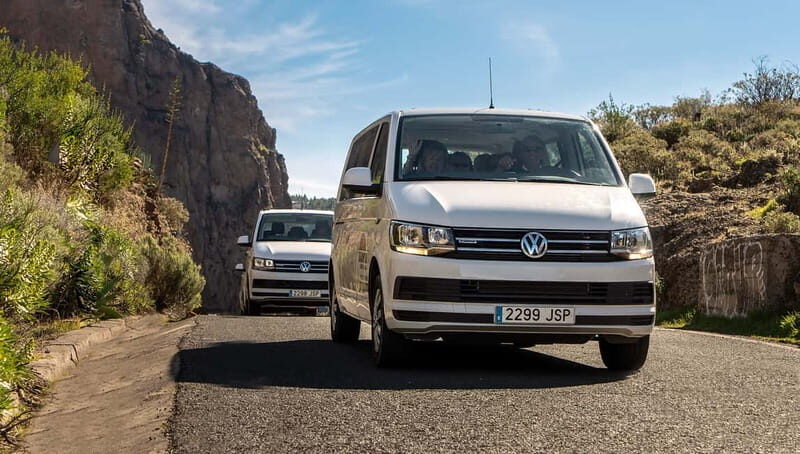
This is a full-day loop in an air-conditioned vehicle, and that matters. Multiple people specifically praised the AC and comfortable seats on long drives—especially important when you’re touring mountain roads for hours.
Guides and drivers also handle bends and narrow stretches smoothly. You’ll still feel the roads in your body, but the driving is treated seriously, not casually.
Pacing is the main tradeoff. You’ll stop, see, photograph, and move. It’s a great format for orientation and highlights, but it’s not ideal if you want deep village time or long museum-style visits.
Also note the rules: no large luggage and no electric wheelchairs. The tour is marked as not suitable for people with mobility impairments, so choose accordingly.
Value check: is $83 per person a good deal?
At around $83 per person for an 8-hour guided day with pickup and drop-off in the south, the value depends on what you want out of Gran Canaria.
If you want:
- a one-day overview of inland villages plus the north coast,
- a guide to connect the dots (why places look the way they do),
- and the convenience of hotel pickup,
…then the price makes a lot of sense. You’re essentially paying for transportation, a guide, and a route that would be tedious to assemble on your own.
If you only care about one tiny area—say, just Tejeda—or you’re the kind of traveler who refuses to be on a set schedule, then you might prefer a slower, self-guided approach.
My practical take: this tour is best as a “highlights + orientation” day. Plan one more day for deeper exploring afterward.
Guides make or break it (and this one tends to hit)
A recurring theme is how guides bring energy without turning it into chaos. People praised guides like Juan, Jose, Charles, Kevin, Fabio, Yan, Uwe, Fabrice, Ian, Louis, and Jan for clear explanations, good humor, and handling the day with confidence.
What you should look for in your own experience: a guide who keeps timing tight, gives useful context during drives, and makes sure everyone gets their photo moments without dragging the bus to a halt.
Should you book this rural villages tour?
Book it if you want a guided, efficient way to see the best of inland Gran Canaria—Tejeda, Artenara cave houses, Fataga, miradores, and a north-coast ocean view—without coordinating transport.
Skip it (or choose a different style of tour) if you need long stays in each town, have mobility concerns, or can’t handle a full day of stop-and-go sightseeing. Also, if the idea of mountain weather changes stresses you out, plan layers since it runs rain or shine.
If you’re sitting in the south already and want one strong day that shows what makes Gran Canaria more than just the resort strip, this one is an easy yes.
FAQ
How long is the Gran Canaria rural villages guided sightseeing tour?
The tour duration is 8 hours.
What does the price include?
It includes hotel pickup and drop-off (in the south of Gran Canaria), transportation by air-conditioned vehicle, and a tour guide.
Is lunch included?
Lunch, tastings, and drinks are not included. There is an optional Canarian lunch you can add.
Where is pickup available?
Hotel pickup and drop-off are only available in the south of Gran Canaria. The supplier confirms the exact pickup time and location after you book.
What languages are the tours offered in?
The tour guide is available in English, German, Italian, Spanish, and French.
Does the tour run in bad weather?
Yes, it takes place rain or shine.
What should I bring?
Wear comfortable clothes.
What isn’t allowed on the tour?
Luggage or large bags aren’t allowed, and electric wheelchairs aren’t allowed.
Is the tour suitable for people with mobility impairments?
No, it’s not suitable for people with mobility impairments.
Is cancellation possible?
Free cancellation is available up to 24 hours in advance for a full refund.