REVIEW · GRAN CANARIA
Gran Canaria: Best Wineries and Views Tour
Book on GetYourGuide →Operated by www.handmadetours.es · Bookable on GetYourGuide
A volcano view sets the mood fast. This Gran Canaria wine tour pairs Caldera de Bandama viewpoints with an intimate winery visit led by the winemakers themselves. I love the small-group setup, and I also love that you don’t just taste wine—you get the story and the people behind it. The only real drawback to plan around: weather or a winemaker emergency can cause a reschedule.
You’ll start in the southern resorts and travel by van to a volcanic viewpoint for photo stops and a guided look at the island’s geology. After that, you head to a family winery where the day shifts into tasting mode: guided vineyard and winery tour, plus cheese tasting and local food pairings outdoors in a scenic setting.
A heads-up before you book: it’s not suitable for children under 18, and it’s pickup-only from the south. If that works for your trip, this one feels like the kind of day you’ll remember when the beach days blur together.
In This Review
- Key Highlights You’ll Care About
- Why Gran Canaria Wine Tastes Like It Means Something
- Pickup in the South: Fast Start, Fewer Stops
- Caldera de Bandama Viewpoint: Photos Plus Real Island Context
- The Winery Visit: What You Actually Get for the Two Hours
- The Tastings Feel Like a Get-Together (Because They Sort of Are)
- Guide Style Matters: The Mase Factor
- Getting Around: Van Rides, Small-Group Comfort, and One Tech Quirk
- Price and Value: Why $114 Can Make Sense Here
- What to Pack (So the Day Feels Easy)
- Who This Tour Is Best For (And Who Should Skip)
- Should You Book This Gran Canaria Wine Tour?
- FAQ
- Where does pickup happen?
- How many people are in the group?
- Is there a winery entry fee included?
- How long do we spend at the winery?
- What languages are the tour guide available in?
- What should I bring and wear?
- Is the tour suitable for children?
Key Highlights You’ll Care About
- Small group (8 people max) keeps the experience personal and the tasting un-rushed
- Caldera de Bandama adds real “wow” before the wine even shows up
- Meeting the winemaker means you ask questions and hear first-hand how it’s made
- Pairings with local farm foods go beyond bread and cheese basics
- South-only pickup saves time if you’re staying around Maspalomas, Puerto Rico, or Puerto de Mogán
Why Gran Canaria Wine Tastes Like It Means Something
Gran Canaria wine isn’t a background activity. On this tour, the whole point is to connect what you’re drinking with where it comes from—volcanic terrain, local climate, and the way farming has adapted to these conditions.
I like that the guide doesn’t treat wine as a lecture. Instead, you learn while you’re moving: viewpoints first, then the winery, then tasting with the people who grow and make the bottles.
Other Gran Canaria tours we've reviewed in Gran Canaria
Pickup in the South: Fast Start, Fewer Stops
This is a practical tour for anyone based in the south. Roundtrip hotel transfer is included, and pickup is only from specific southern areas: Patalavaca, Puerto Rico de Gran Canaria, Arguineguín, Bahia Feliz, Maspalomas, and Puerto de Mogán.
Expect a day-before confirmation (by email or WhatsApp) for the pickup time and exact stop. One more practical detail: the tour uses a van, and the drive time matters because you’re not just getting from A to B—you’re building excitement step by step.
If you’re staying outside the south, this one won’t be your match. And if you hate waiting around, the fixed pickup points help.
Caldera de Bandama Viewpoint: Photos Plus Real Island Context
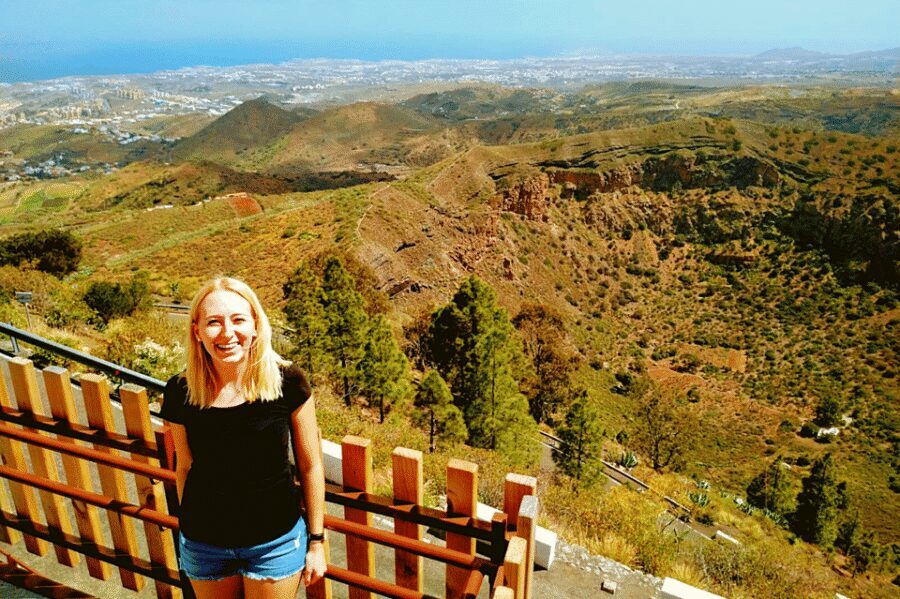
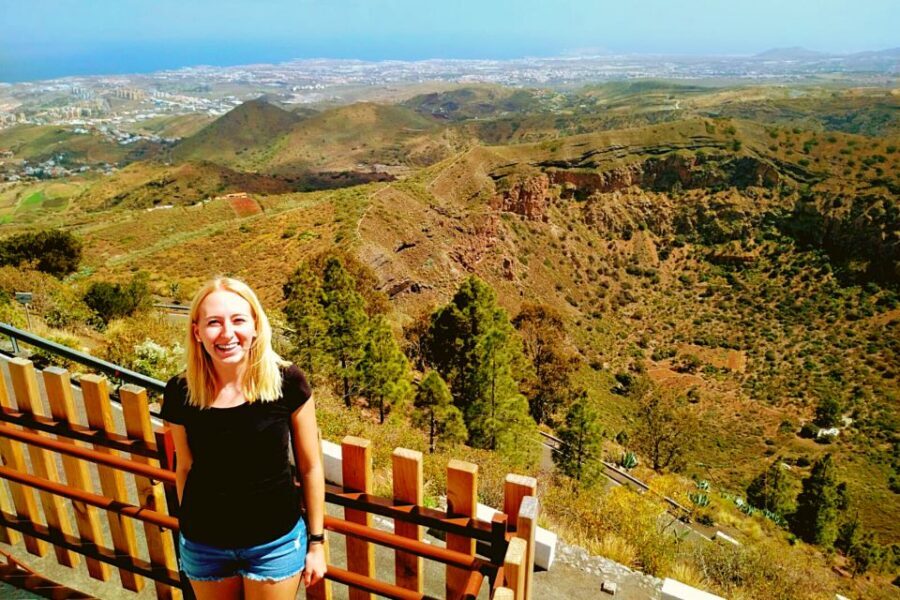
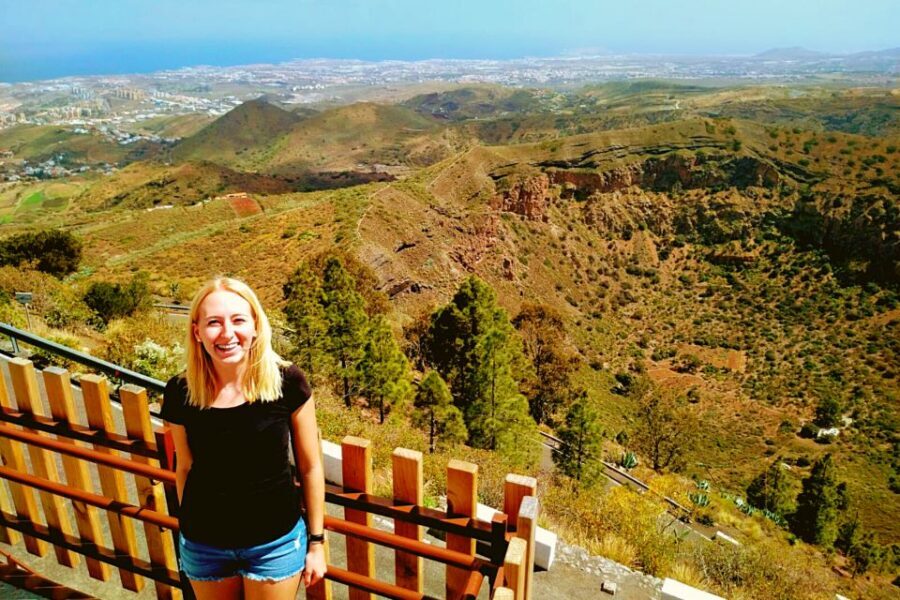
After pickup, you’ll head toward the island’s dramatic interior. The tour includes a stop at Caldera de Bandama, with a photo stop plus a guided tour and scenic viewpoints along the way.
This is where you’ll start getting answers to the big “why” questions. In particular, I found the talk about geology and how it influences today’s agriculture and wine production makes the tasting feel smarter, not just freer-flowing.
One thing to keep in mind: the route up can feel steep and twisty depending on conditions. Pack water, keep sunscreen on, and wear shoes with solid grip—your future self will thank you.
The Winery Visit: What You Actually Get for the Two Hours
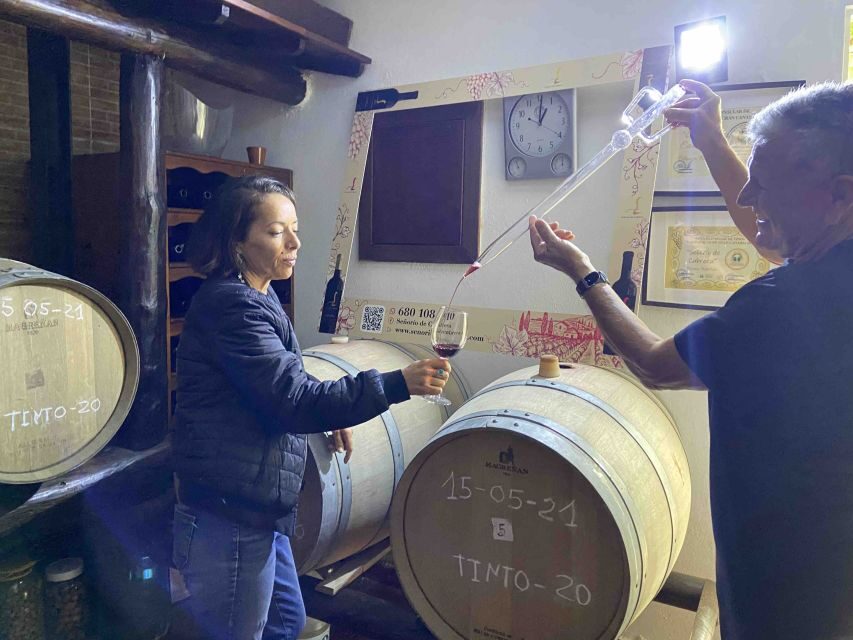
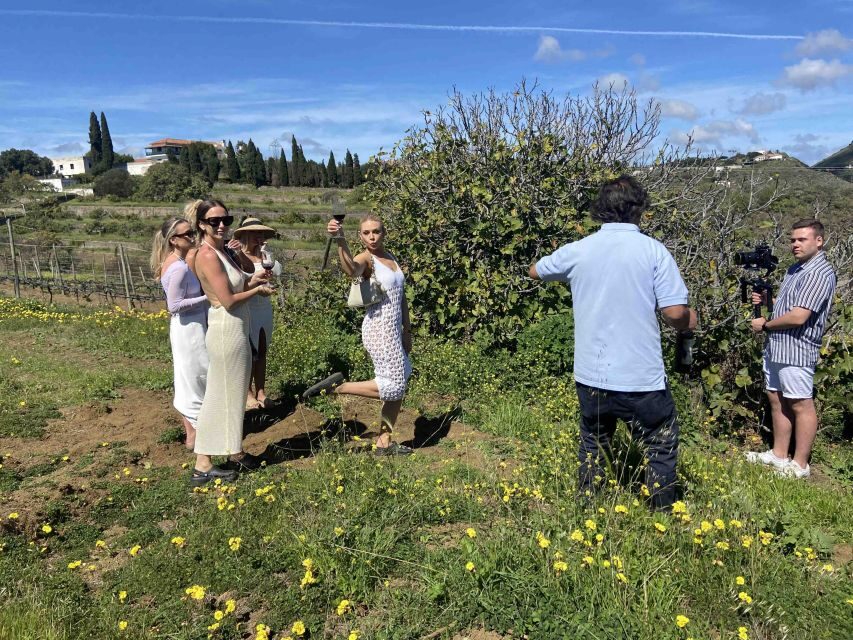
Then the tour turns into the good stuff: the winery visit and tastings. You’ll spend about two hours at the winery, including a guided tour, wine tasting, and a cheese tasting.
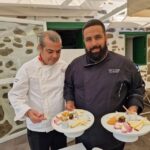
A major plus here is that it’s described as a collaboration with exclusive family wineries, and the experience is built around meeting the people making the wine. Many tastings include the winemaker or owner personally guiding you through the vineyards and winery, sharing the passion behind each bottle.
In the same tasting window, you may also get a farm-food feel—some groups mention produce like oranges, mandarins, and even chillies showing up as part of the pairing story. It’s a reminder that in this part of the world, wine rarely exists in a vacuum.
The Tastings Feel Like a Get-Together (Because They Sort of Are)
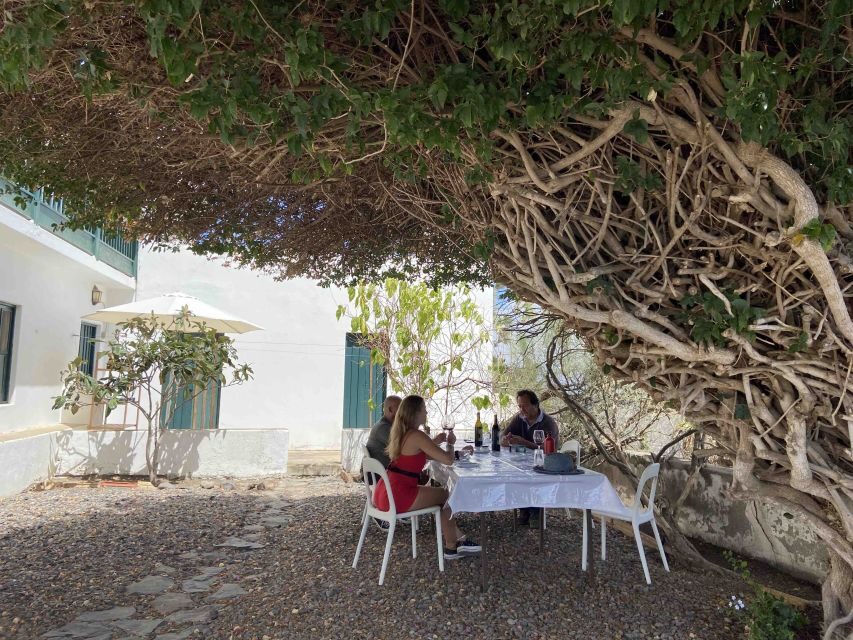
The tasting isn’t staged like a museum exhibit. The whole format leans casual and social, which is exactly what you want when you’re spending the day on a small group tour.
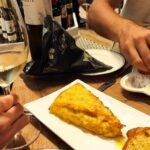
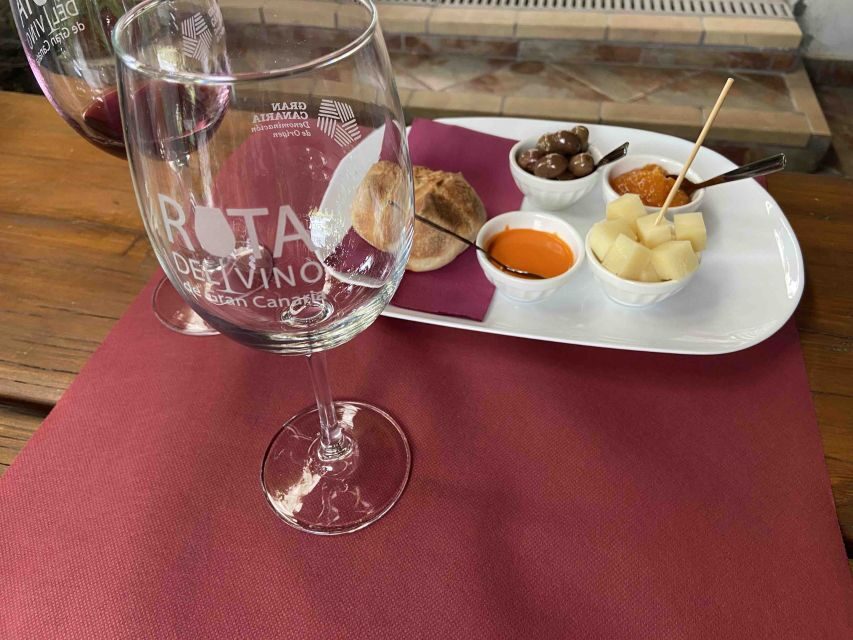
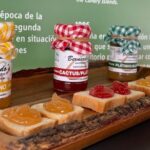
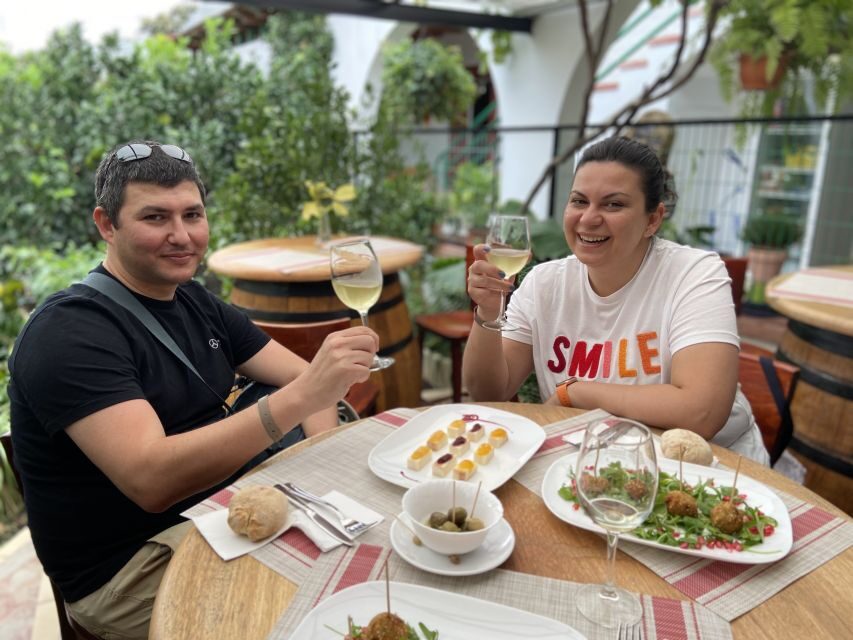
You’ll be offered local traditional products to pair with the wines—and the pairings are often the highlight. People mention pairings like cheeses, olives, bread, potatoes, and sauces, plus the kind of conversation that makes you feel like you’re sitting down with friends rather than standing in a line.
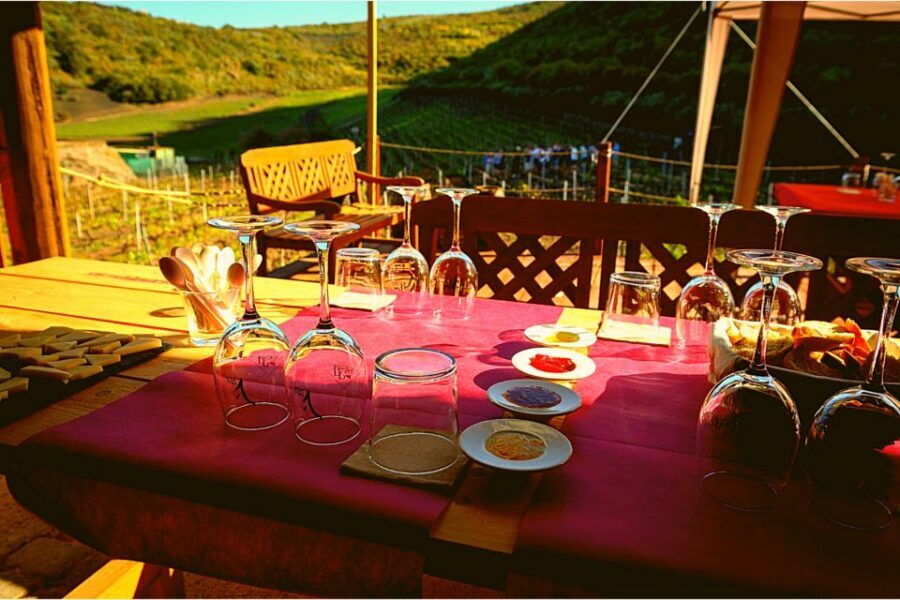
There’s also an outdoor tasting element in this experience. It’s the type of setting that makes you slow down without forcing you to.
Small note on pacing: because there’s one main winery stop, you’ll want to treat it like a deep, focused tasting rather than a hop-to-every-place day. One review even hinted that adding variety with another stop would make the day perfect—so if you crave multiple wineries in one outing, keep that preference in mind.

Guide Style Matters: The Mase Factor
The tour runs with a live guide in English and Spanish. Over and over, the name Mase (and variations like Masequera) shows up in feedback, and the consistent theme is personality plus local detail.
On this kind of itinerary, the guide makes the difference between scenery-as-a-photo and scenery-as-understanding. Here, you get the island’s story through practical topics: how climate and geology shape farming, how locals live alongside the vines, and why certain grapes and flavors fit the island.
I also like that the group size stays small, so questions don’t get swallowed. You’re not waiting for permission to ask something. If you want to understand what you’re tasting, the format supports that.
Getting Around: Van Rides, Small-Group Comfort, and One Tech Quirk
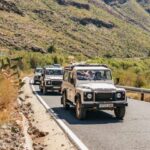
Transport is included, and you’ll ride in a van with the group. Small-group tours usually mean fewer delays, and that shows here: you’re not shuffled through endless pickup zones.
One practical detail from feedback: one group noted that the vehicle was electric and needed a quick exchange stop due to power. That sounds minor, but it’s a real example of why it helps to bring patience and flexibility into your day when you’re traveling on a remote island.
Bottom line: you’re not touring in a big bus. The movement feels more like a shared day out than a mass departure.
Price and Value: Why $114 Can Make Sense Here
At $114 per person, this isn’t the cheapest way to drink wine on Gran Canaria. But based on what’s included, it’s also not just a tasting ticket.
You’re getting:
- Roundtrip hotel transfer from southern areas
- Entry to the winery
- Wine tastings (plus cheese tasting)
- A live English/Spanish guide
- Skipping the ticket line
When you add up the usual costs of guided transport + winery entry + tasting time, the price starts to look more like a packaged experience than an a-la-carte outing. The small-group size (8 max) also matters, because it keeps the day from feeling rushed and helps you actually talk with the guide and hosts.
If you compare this to a self-drive tasting, the value becomes clearer: you’re paying for access to family wineries, guided explanation, and convenience.
What to Pack (So the Day Feels Easy)
This is a sun-and-walking kind of day, even if it’s not an intense hike. Bring:
- Sun hat
- Sunscreen
- Water
And keep footwear practical. High-heeled shoes aren’t allowed, which is fair. The viewpoint stops and winery paths work best with comfortable, grippy shoes.
If you forget anything, you might find yourself wishing you didn’t—this tour keeps moving, and it’s built around outdoor moments.
Who This Tour Is Best For (And Who Should Skip)
This tour fits best if you want:
- A wine experience with an actual human connection to the vineyard
- Big views early (Caldera de Bandama), then a relaxed tasting
- A small group day with room to ask questions
It’s not a fit if you’re traveling with kids, since it’s not suitable for children under 18. Also, if you only like “maximum variety” days where you sample many different wineries back-to-back, this may feel a bit concentrated—because the plan centers on one main winery experience.
Should You Book This Gran Canaria Wine Tour?
If you’re staying in the south and you want a day that mixes volcanic views with a family-led winery tasting, I’d book it. The small-group limit, the winemaker meeting, and the local food pairings are the kind of details that make the day feel personal instead of generic.
Skip it only if your priorities are either kids-friendly activities or a multi-winery marathon. Otherwise, this is the kind of tour that gives you Gran Canaria in a glass—and you’ll come home with stories, not just bottles.
FAQ
Where does pickup happen?
Pickup is only in the Southern areas, with options including Patalavaca, Puerto Rico de Gran Canaria, Arguineguín, Bahia Feliz, Maspalomas, and Puerto de Mogán.
How many people are in the group?
The group is limited to 8 participants.
Is there a winery entry fee included?
Yes. Entry to the winery is included, along with wine tastings.
How long do we spend at the winery?
The winery portion includes visit, wine, guided tour, and wine tasting with cheese tasting for about 2 hours.
What languages are the tour guide available in?
The live tour guide is available in English and Spanish.
What should I bring and wear?
Bring a sun hat, sunscreen, and water. High-heeled shoes are not allowed.
Is the tour suitable for children?
No. It’s not suitable for children under 18.