REVIEW · GRAN CANARIA
Gran Canaria: Dolphin and Whale Watching Cruise
Book on GetYourGuide →Operated by Multiacuatic GC · Bookable on GetYourGuide
A few hours at sea can feel like a whole nature documentary. This Gran Canaria dolphin and whale watching cruise uses a catamaran ride along the southwest coast, with a cetacean-focused guide who helps you spot marine life during the search. I like the combination of a purpose-built marine guide plus a realistic search zone out at sea, which makes the whole outing feel more than just pass-by sightseeing. I also like the boat setup and comfort for a short outing (two decks, plus an access ramp if needed). One possible drawback: it can get windy and chilly on the water, and if conditions are rough, motion can hit some people harder than expected.
You’ll sail from Puerto Rico de Gran Canaria after getting picked up near your hotel, then cruise for roughly two hours while the crew looks for dolphins and whales. If you’re sensitive to waves, bring a plan for that before you go. And if you’re aiming for the best experience, you’ll get more out of it by dressing for a cool breeze and staying alert during the scanning time.
In This Review
- Key things to know before you go
- Why Gran Canaria’s dolphin search feels so intentional
- Getting from your hotel to Puerto Rico: the bus-to-harbor rhythm
- Multiacuatic catamaran comfort: what the boat layout means
- On the water: how the search for whales and dolphins works
- What the cetacean guide actually adds to your day
- Drinks, snacks, and the small choices that affect your comfort
- Timing: what “about two hours” feels like on a cruise day
- When you miss dolphins: the cruise still has a plan
- Seasickness and choppy moments: how to protect your day
- Price and value: does $42 buy real odds of wildlife?
- Who should book this Gran Canaria cruise
- Should you book this dolphin and whale watching cruise?
- FAQ
- Where does the cruise depart from?
- How long is the dolphin and whale cruise?
- What marine animals might I see?
- Does the cruise include a guide?
- What drinks are included?
- Is food included?
- Is pickup and drop-off available?
- What should I bring for the boat ride?
- What if I don’t see dolphins or whales?
- Can I cancel for free?
Key things to know before you go
- 97% sighting success rate for dolphins and whales, based on the operator’s track record
- Cetacean-specialist marine guide on board with live spotting tips
- Search range runs 5–7 miles offshore between Faro Maspalomas and Veneguera
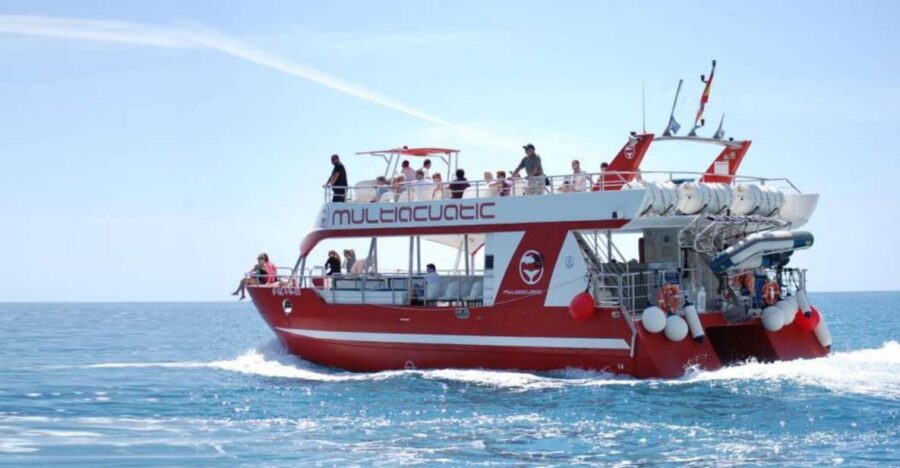
- Multiacuatic catamaran: 52 feet long, two decks, and a ramp available for pushchairs
- Soft drinks and water are included, alcohol is not
- Typical cruise time is around two hours, with return transport to your hotel
Why Gran Canaria’s dolphin search feels so intentional
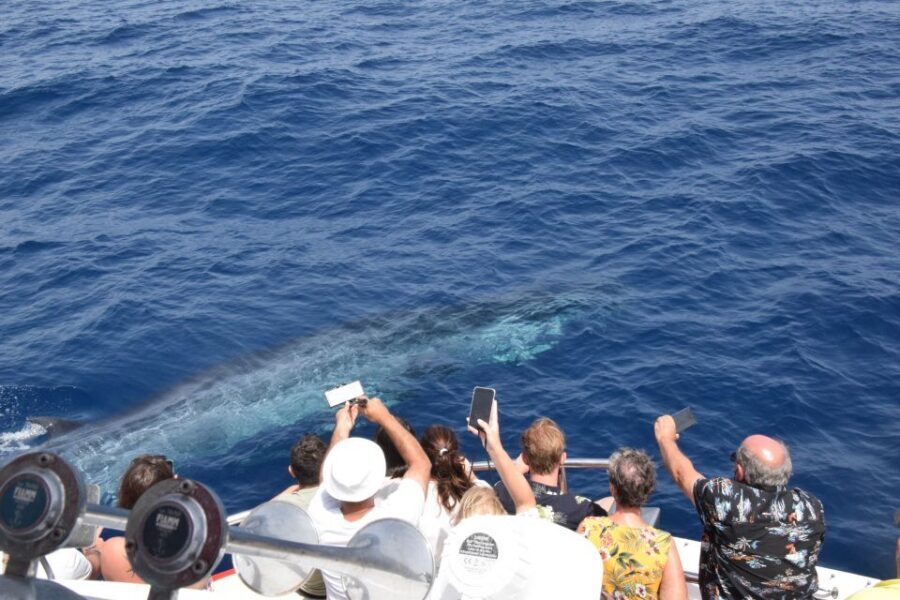
Gran Canaria is famous for sea life, but what I like about this cruise is the way it’s built around finding animals, not just hoping you’ll see something. The boat heads out along the island’s southwest stretch and searches in a set offshore band, roughly 5–7 miles out from Faro Maspalomas toward Veneguera. That matters, because dolphins and whales don’t hang around right at the harbor edge.
The operator also highlights a 97% success rate for spotting dolphins and whales. No cruise can promise 100% wildlife sightings (the ocean always has its own schedule), but that number signals they’ve done this enough times to know where and how to look. On my kind of day out at sea, I’d rather have a crew that’s ready to work the search than one that simply drifts and hopes.
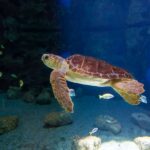
You’re not just watching the horizon either. The guides are there to help you interpret what you’re seeing. They’ll share information about cetaceans you might encounter, and you may also learn about other wildlife that turns up, such as turtles and flying fish.
Other Gran Canaria tours we've reviewed in Gran Canaria

Getting from your hotel to Puerto Rico: the bus-to-harbor rhythm
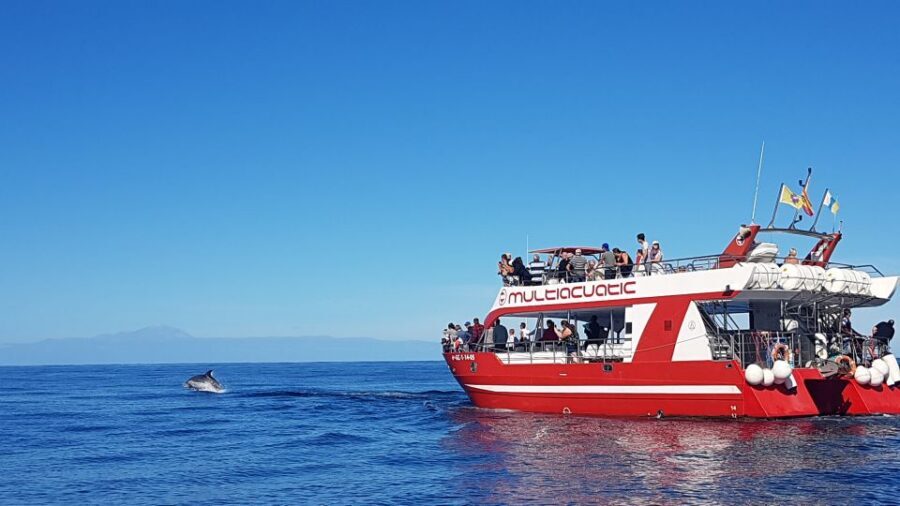
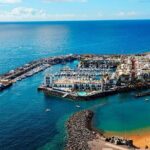
Most people in the south of Gran Canaria don’t drive themselves here. Instead, you’re met by a guide at a pickup point near your hotel, then you’re taken to the harbor in Puerto Rico de Gran Canaria. The experience is designed with that flow in mind, and it usually means fewer moving parts for you.
Two practical points I’d keep in mind:
- Pickup is offered from a long list of hotel and stop locations in the south, but pickup isn’t necessarily automatic for every hotel. If you need pickup service, you’ll want to give 24 hours’ notice as required.
- Expect travel time before the cruise. One part of the plan includes a bus/coach segment (listed as 80 minutes), so don’t treat this as a pure two-hour outing from door to door. The time adds up—especially if you’re on a shared pickup route.
The payoff is simpler logistics: you show up, board the catamaran, and at the end you return to your hotel via drop-off at the listed locations.
Multiacuatic catamaran comfort: what the boat layout means
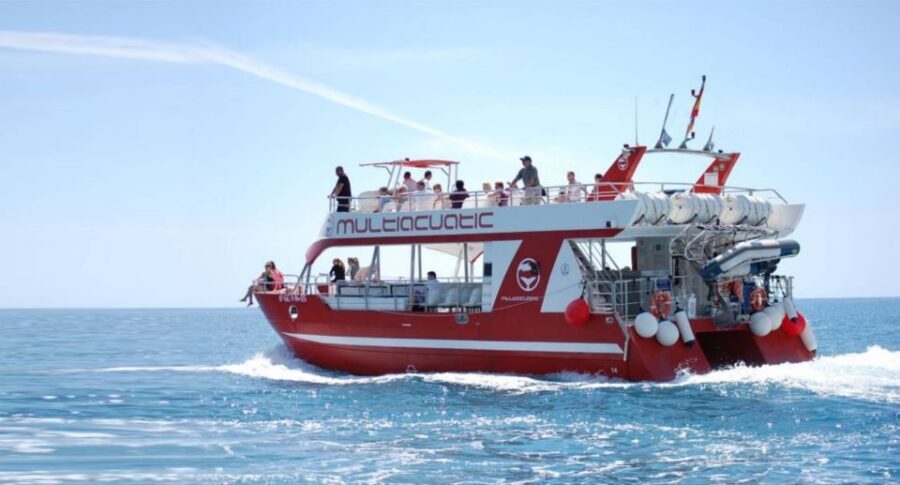
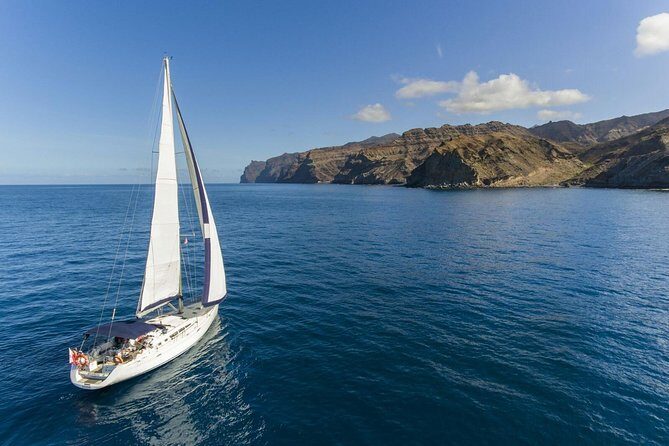
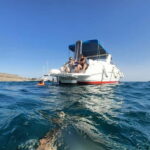
This cruise runs on the Multiacuatic, a newly constructed catamaran listed as built in 2005. The boat is 52 feet long and 20 feet wide, split into two decks. On sea days, the deck choice can change how you feel about the outing, so here’s how I’d think about it.
- Two decks usually means more room to spread out and get your bearings. It’s helpful when you’re trying to spot animals that may surface briefly.
- A catamaran tends to feel steadier than a narrow mono-hull, though you can still get waves. Several people mention rougher moments, so it’s smart to plan for motion even if you feel fine on land.
- If you’re traveling with a stroller or pushing along a wheelchair, there’s an access ramp available.
The most consistent practical advice from the experience vibe is clothing. Even when the air is warm onshore, once you’re out moving and catching wind, it can turn. They specifically recommend bringing a jumper along with sun protection (sun cream and a hat). That’s not just for comfort; it also helps if you end up standing or sitting outside while scanning for spouts and fins.
On the water: how the search for whales and dolphins works
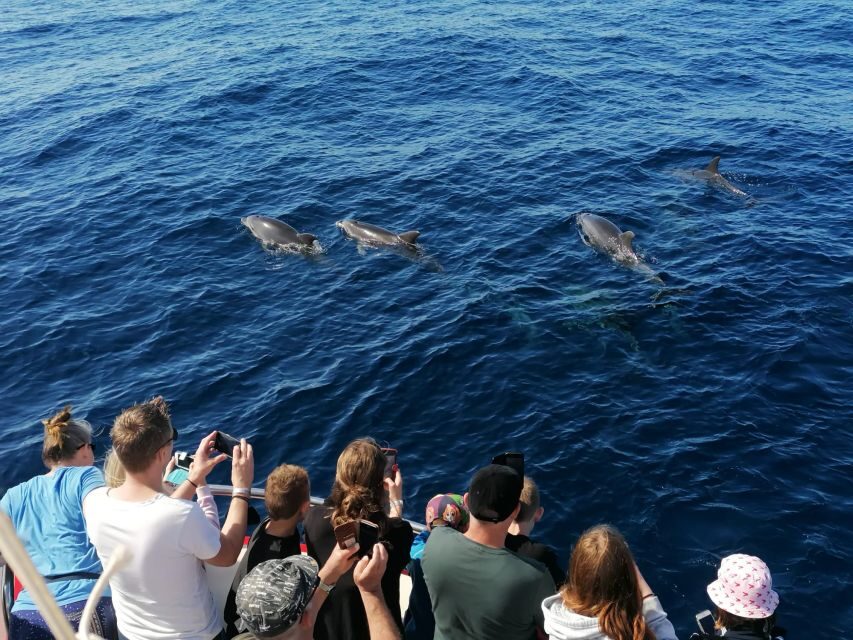
The cruise is built around an active search. After leaving Puerto Rico, the crew looks for dolphins and whales in their normal range, between Faro Maspalomas and Veneguera, roughly 5–7 miles offshore. This is the core of the experience: you’re out where marine life is plausibly present, and you’re watching while the team works the situation.
During sightings (or near-misses), the guide and crew stay available for comfort and safety. That matters because wildlife watching is easy to make stressful if you don’t know what you’re seeing or if you feel stuck. Here, the guiding role is practical: they give you key info about the marine life as you’re out on the water.
You might also spot other marine animals beyond dolphins and whales. The experience description calls out possible encounters like turtles and flying fish, which can be a nice bonus when dolphin sightings are slower. Those extras also help keep the time feeling purposeful even when the big moment takes a little longer.
What the cetacean guide actually adds to your day
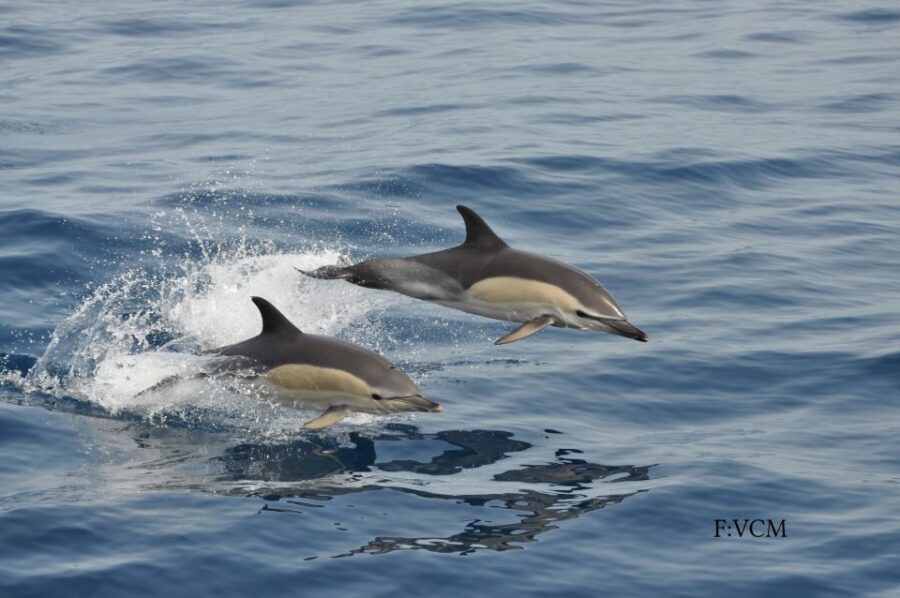
A big part of why this cruise gets such strong feedback is the guide specialization. The on-board guide is described as specializing in cetacean observations, and they provide factual info while you’re out looking. This isn’t a “stand up and talk for an hour” style. It’s more useful than that: they’re actively helping you interpret surfacing behavior and spotting opportunities.
It’s also a multilingual setup. The live guide is listed in English and Spanish, so you’re not stuck guessing. When you’re trying to spot a dolphin that surfaces fast and then disappears, a good guide can help you notice patterns faster—like how animals move in relation to wind, the way they surface, and what to look for as the boat tracks.
If you’ve ever felt like you were watching ocean and the guide was watching a spreadsheet, you’ll like this format better. The guide’s job is to make the ocean visible.
Other dolphin & whale watching tours we've reviewed in Gran Canaria

Drinks, snacks, and the small choices that affect your comfort
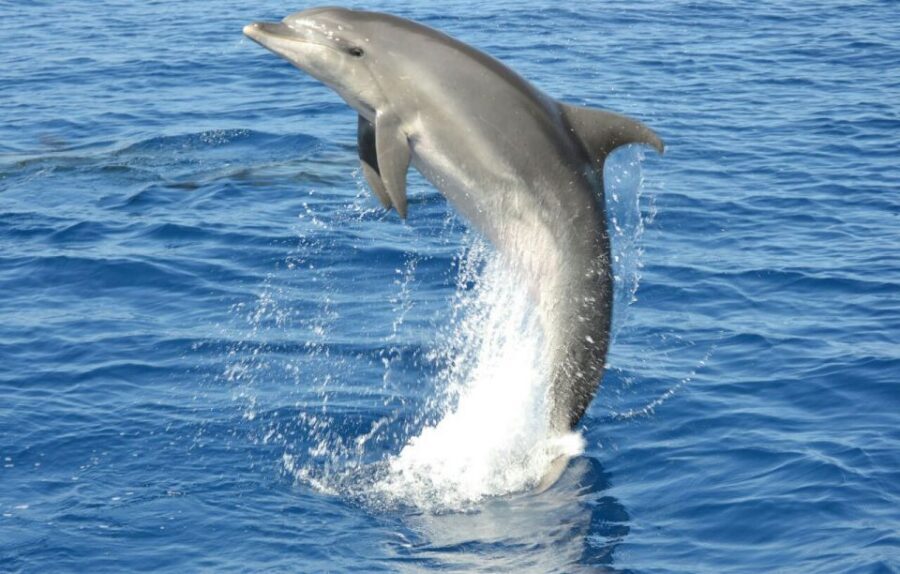
For a two-hour cruise, details like drinks and food matter more than you might think. Here’s what’s covered:
- Soft drinks and water are included
- Food is not included, but you can purchase snacks from the bar
- Alcoholic drinks are not included
That’s a clean setup because it reduces decision fatigue. You won’t have to keep track of who bought what, and it’s easier to stay hydrated while you’re scanning for sightings.
One more practical detail: boarding and time management can vary depending on how groups arrive. Some people note that boarding felt slow on their specific day. It’s not a reason to skip the cruise, but it is another reason to arrive with the attitude of: this is a short ride, so be patient, and once you’re out there, you’ll be fine.
Timing: what “about two hours” feels like on a cruise day
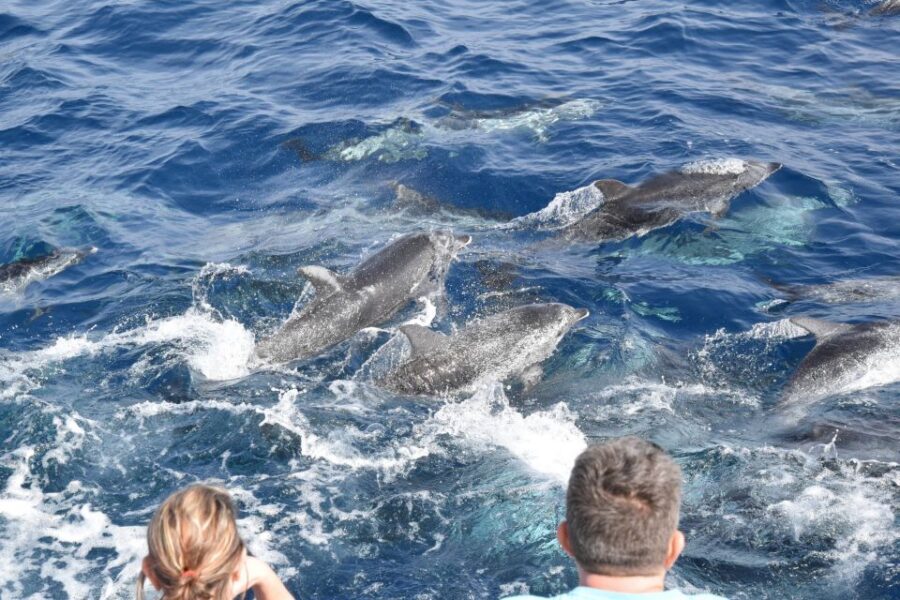
The experience says the dolphin safari typically lasts around two hours, which matches what you want for a day that’s mostly about wildlife. At the same time, one schedule block lists dolphin watching at 2.5 hours, which suggests the exact duration can stretch depending on conditions and how the search goes.
What I’d do with that information: plan for an outing that can run a bit long, not a hard stopwatch moment. If you’re juggling a tight dinner reservation, build in buffer time. Also, pack for the real sea conditions, not the sunny shore version of Gran Canaria.
Wind is mentioned directly in the practical guidance. Even if you’re not cold on the beach, once you’re out moving, you’ll feel it. A light warm layer (the “jumper” they recommend) can turn a stressful cold-wind moment into something you can actually enjoy while you focus on spotting.
When you miss dolphins: the cruise still has a plan
Wildlife watching has one unavoidable truth: sometimes you don’t get the sighting you want. The good part here is that when people don’t see dolphins, the operator may offer a chance to return. The data includes examples where passengers were given an option to come back for free after missing out on sightings.
I’ll be careful with wording: it’s not something I’d assume will happen for every departure. But it’s a reassuring sign that they care about customer outcomes, not just selling tickets and moving on.
If you do see whales or lots of dolphins, the experience is the obvious win. Several accounts emphasize close-up sightings, sometimes with dolphins swimming near the boat. If that’s your goal, this cruise is one of the better bets in Gran Canaria because it combines a search plan, a guide, and enough time on the water to capitalize when animals appear.
Seasickness and choppy moments: how to protect your day
Even with a catamaran, sea conditions can vary. Some people describe vomiting due to high waves, and others mention that the ride can be windy. That tells me the cruise isn’t automatically gentle for everyone.
My practical advice:
- If you’re even slightly prone to motion sickness, take steps before you board (think medication timing rather than waiting until you feel bad).
- Dress warm enough that you’re not shivering. Cold + wind can make you feel worse.
- Try to get to a spot where you can see forward and keep your gaze steady. Motion feels different when you’re staring at the deck versus looking out across open water.
You can still have a great day even if you feel a little off. The key is not letting it spiral once it starts.
Price and value: does $42 buy real odds of wildlife?
At $42 per person for a cruise that includes guided spotting plus free soft drinks and water, the value looks strong—especially if you’re traveling on a budget but still want a guided experience.
Here’s where the value comes from:
- You’re not paying just for boat time. You’re paying for the search effort and a guide who specializes in cetaceans.
- The itinerary includes pickup and drop-off from the south of Gran Canaria, which can be a hidden cost on your own. If you have to pay for taxis or lose time finding the harbor on your own, the price becomes easier to justify.
- The boat is modern and clean by passenger descriptions, and it has a practical layout with two decks and a ramp.
What’s not included is also clear: no alcohol and no full meals. You’ll likely spend a little extra if you want snacks from the bar, but you can keep costs low by sticking to the included drinks.
For $42, I’d expect at least the kind of active, guided search this trip is built around. That expectation is exactly what you’re getting.
Who should book this Gran Canaria cruise
This is a solid fit if you:
- Want a short outing with real wildlife-focused searching
- Like the idea of learning while you watch (not just pointing at the sea)
- Are traveling with kids who can handle a boat ride and some wind
It also suits couples and solo travelers who want something memorable without committing to an all-day excursion. If your priority is whales and dolphins, the set search range and specialized guide are the big reasons to choose this over a casual harbor cruise.
If you’re sensitive to rough water, you can still go, but treat it like a situation that needs prep, not a guarantee of calm seas.
Should you book this dolphin and whale watching cruise?
Yes, I’d book it if you want your odds stacked in your favor. The combination of a set offshore search, a cetacean-focused guide in English and Spanish, and the operator’s stated 97% success rate makes this one of the better “wildlife-first” options in Gran Canaria.
Before you go, do three things:
- Pack a jumper and sun protection. Wind is real out there.
- Plan for motion if you’re even mildly prone to seasickness.
- Keep your expectations flexible. When animals surface, it can be fast. When they don’t, you’ll at least have a guide helping you stay focused and understand what you’re seeing.
If you’re ready for a guided sea hunt from Puerto Rico and you’d rather pay for better search effort than gamble on luck, this cruise is a smart choice.
FAQ
Where does the cruise depart from?
It departs from Puerto Rico de Gran Canaria, and you’re taken to the harbor from a pickup point near your hotel.
How long is the dolphin and whale cruise?
The dolphin safari typically lasts around two hours.
What marine animals might I see?
The cruise is specifically aimed at dolphins and whales. You may also see other marine life such as turtles and flying fish.
Does the cruise include a guide?
Yes. There’s a live marine guide on board, including a guide specializing in cetacean observations, with English and Spanish.
What drinks are included?
Soft drinks and water are included for free during the trip.
Is food included?
No. Food is not included, though snacks can be purchased from the bar.
Is pickup and drop-off available?
Pickup and drop-off services are available from the south of Gran Canaria, from a list of hotel and stop locations.
What should I bring for the boat ride?
Bring sun cream and a hat, and also a jumper because it can get chilly and windy at sea.
What if I don’t see dolphins or whales?
The provided information includes examples where passengers were offered the chance to return for free after missing sightings. It’s not guaranteed for every departure, but it’s a possibility.
Can I cancel for free?
Free cancellation is available up to 24 hours in advance for a full refund.