REVIEW · GRAN CANARIA
Puerto Rico de Gran Canaria: Jetski Tour
Book on GetYourGuide →Operated by Gran Canaria Water Sport S.L. · Bookable on GetYourGuide
Fast jetski energy starts at the dock. This Puerto Base jetski tour has you take the helm and zip along Gran Canaria’s southwest coast while a monitor keeps an eye on you from a safety boat. I especially like the combo of driving your own machine and the chance to spot marine wildlife out there, including turtles and dolphins.
The one thing I’d flag is the photo situation: no cameras are allowed during the ride, and you’ll need to buy the guide’s photo set if you want those shots afterward (often €25 for an SD card).
In This Review
- Key Things to Know Before You Go
- Puerto Base Jetski Safari: Why This Feels So Different
- How the Safety Boat Monitor Guides Your Route on Gran Canaria
- Riding Tips That Actually Help: Legs, Steering, and Speed Caps
- Wildlife and Sea Views: Dolphins, Turtles, and Flying Fish
- Choosing 30 Minutes vs 1 Hour: Don’t Underestimate the Learning Curve
- Photos and Cameras: The €25 Memory Reality
- What You Actually Get for the Money (and What You Don’t)
- Who Should Book This Jetski Tour (and Who Should Skip It)
- Should You Book Puerto Rico de Gran Canaria Jetski Tour?
- FAQ
- How long is the Puerto Rico de Gran Canaria jetski tour?
- Is the price per person or per jet ski?
- Do I need to know how to swim?
- Are cameras allowed during the activity?
- What should I bring with me?
- Where is the meeting point at Puerto Base?
- What’s the cancellation window for a refund?
Key Things to Know Before You Go
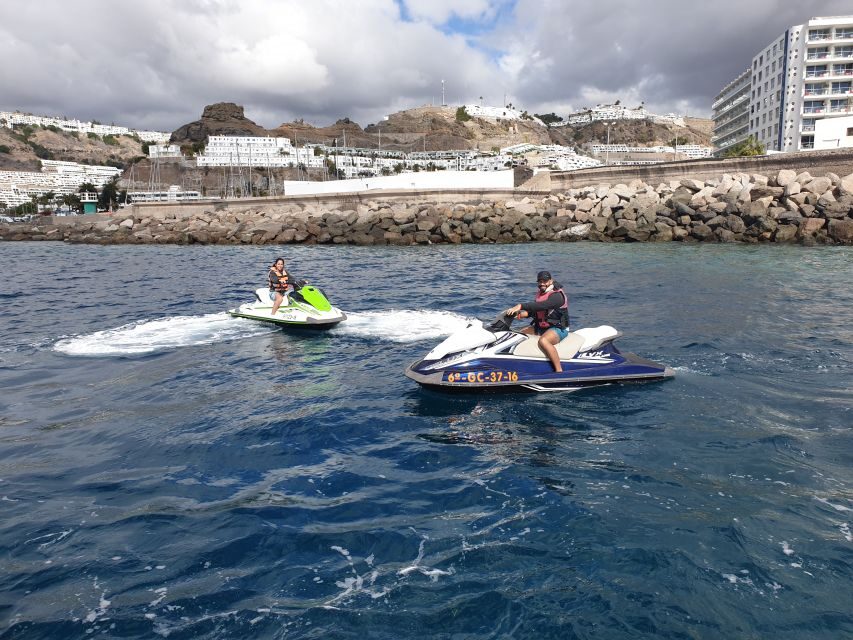
- You drive the jetski while a monitor follows by boat for safety and pacing
- You get a coastline view that you simply can’t get from shore—fast and close
- Marine sightings are part of the experience, including flying fish, turtles, and dolphins
- Beginners usually need a minute to learn balance and control (legs do most of the work)
- Photo add-ons cost extra since no cameras are permitted
- Price is per jetski, so sharing can change the math a lot
Puerto Base Jetski Safari: Why This Feels So Different
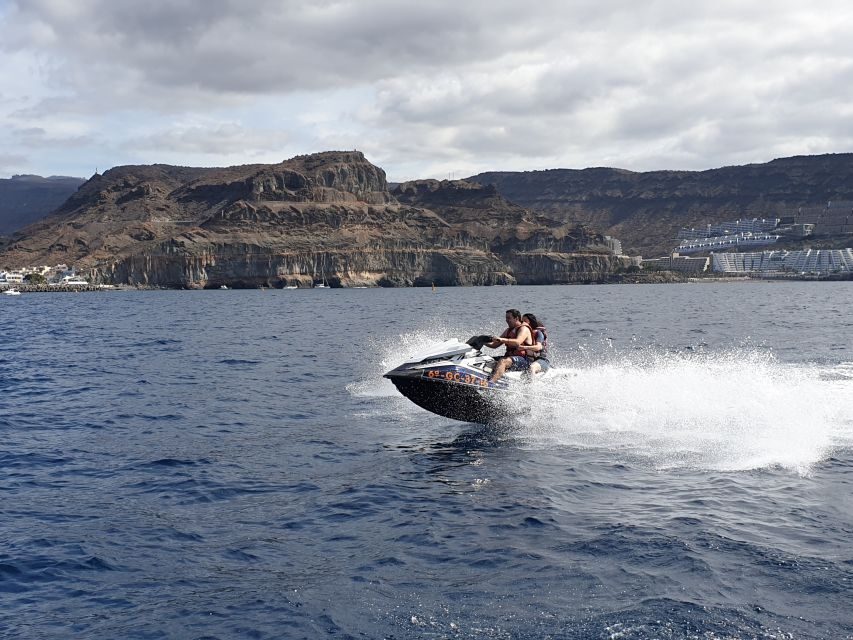
This is not a slow “look at the sea” boat ride. It’s a control-the-jet-ski excursion where you’re moving fast enough that the wind hits like a reward. You’re guided from a safety boat, so you still get structure and support instead of pure chaos.
What makes it especially fun is how the southwest coast turns into a moving viewpoint. One moment you’re tracking the shoreline; the next you’re watching the water texture change as waves roll in. Even if you’ve been on water before, the speed and the close proximity to sea life make it feel fresh.
And yes, you’ll likely hear dolphins and flying fish moments on your trip. The route is designed for wildlife spotting—turtles, dolphins, and flying fish are specifically mentioned—so it’s not just adrenaline, it’s also curiosity time.
The real win for me is that the tour is built around the idea that you’re an active participant. You’re not waiting around. You’re riding, learning, and adjusting on the fly.
Other Gran Canaria tours we've reviewed in Gran Canaria

How the Safety Boat Monitor Guides Your Route on Gran Canaria
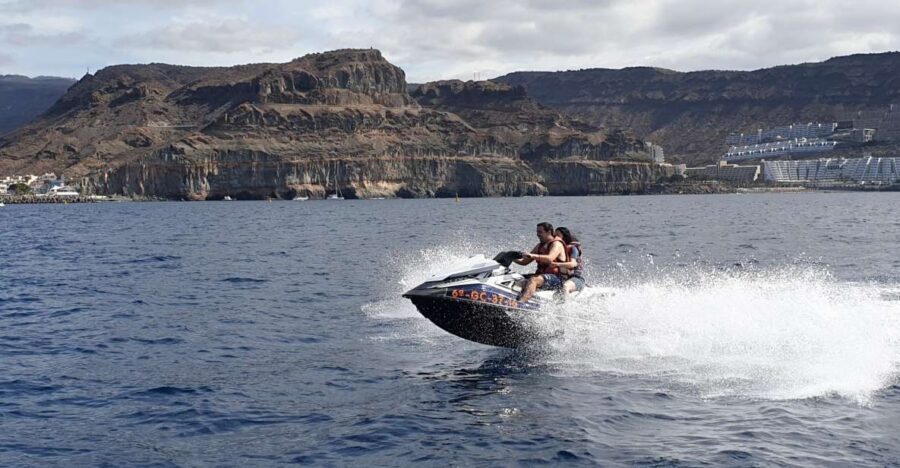
The way this tour runs is simple: you ride your own jetski, and a monitor follows alongside in a safety boat. That’s the key balance. You still get freedom and speed, but there’s always someone watching the bigger picture—group spacing, turns, and conditions.
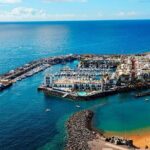
Before you go out, you’ll meet the team at Puerto Base (the local partner is Gran Canaria Water Sport S.L.). Look for a yellow flag with their logo and the word jetski. You’ll also see the Grill Costa Mar Restaurant along the dock area. Give yourself time to find the exact spot and get checked in—arrive 15 minutes early.
In the water, the monitor keeps you moving safely and gives instructions as needed. Several guides have been praised for being clear and helpful. Names that come up in real-world feedback include Riad, Miguel, and Esther, and the common theme is practical guidance: how to start, how to steer, and how to handle yourself if conditions feel rougher than expected.
The timing is usually 30 minutes to 1 hour, depending on what you book. Some riders also describe a short swim moment from the jetski during the outing. That sort of break can be a nice reset when you’re ready to cool off and enjoy the sea in a different way.
Riding Tips That Actually Help: Legs, Steering, and Speed Caps
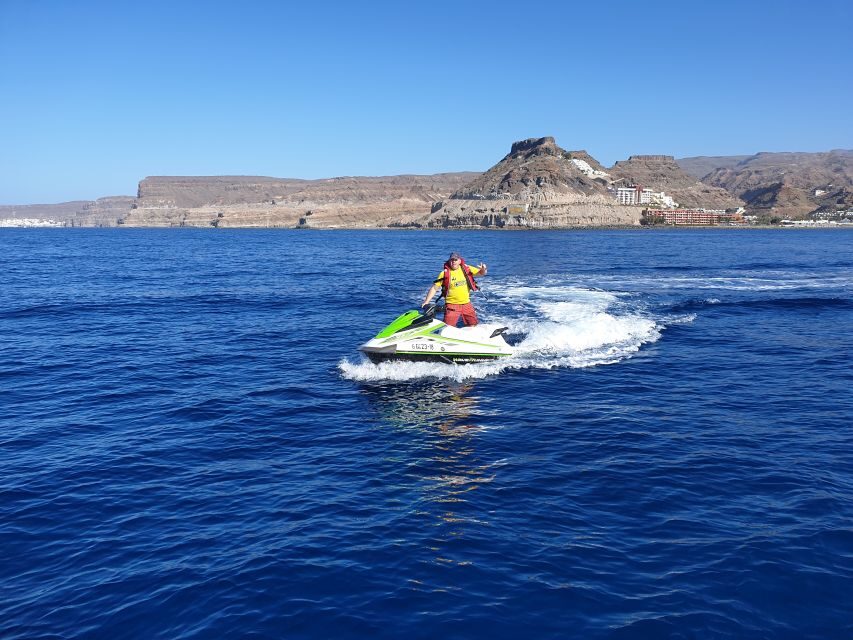
Jet skis aren’t bikes, but the learning vibe is similar. If it’s your first time, focus on two things: balance and control. One rider put it plainly—hold yourself with your legs, like riding a motorcycle. Use your hands for careful steering, not gripping for dear life.
It’s also worth knowing that instructions may focus first on getting the jetski going. A first-time rider noted there wasn’t much on the finer control details at the start, but it clicked after a bit of practice. So don’t panic if it feels awkward for the first few minutes. That adjustment period is normal.
Speed is another variable. Some riders report reaching strong speeds (around 70 km/h is mentioned), and others noticed that speed can be managed—one person felt jetskis were capped differently. The practical takeaway: expect acceleration and fun, but don’t assume you’ll always have full throttle in every moment. Choppier water and group dynamics can change what’s comfortable and what’s allowed.
If conditions are windy or the sea is rough, treat that as part of the experience and plan accordingly. Since the activity is subject to weather conditions, you should be ready for changes in the ride feel—more bounce, more concentration required.
If you want the smoothest ride, pick calmer days when you can. If you’re only free on a windy day, still go—just remember you may feel the waves more strongly.
Wildlife and Sea Views: Dolphins, Turtles, and Flying Fish
This is a big reason I think people love this tour. When you’re moving across the water, wildlife spotting becomes a series of quick surprises rather than a distant view. The tour description specifically calls out turtles, dolphins, and flying fish, and real rides confirm that flying fish sightings can be frequent.
What’s special is how close the perspective is. Flying fish show up fast, almost like they’re launched from underneath the route. Dolphins, when they appear, tend to feel like the sea is performing a cameo for you—gone and back quickly as you move.
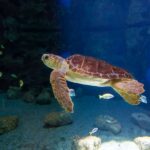
Turtles are slower sightings, which can be a nice contrast when your body is busy staying stable at speed. You get to shift from adrenaline mode to noticing mode for a minute.
A small practical tip: keep your focus up and your body stable while you watch. It’s tempting to whip your head around, but on a jet ski the smartest move is steady posture first, then look.
Choosing 30 Minutes vs 1 Hour: Don’t Underestimate the Learning Curve
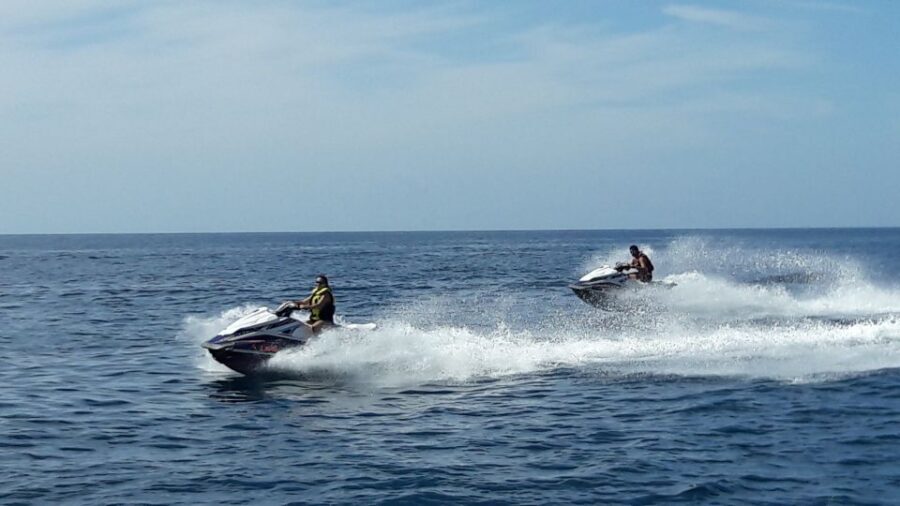
Here’s the truth: 30 minutes can feel short, especially on your first jet ski. Some riders felt they barely got the full time window, while others said the half-hour option gave them extra value. That difference usually comes down to sea conditions, group pace, and how quickly you settle into control.
If you’re new to jetskis, I recommend booking the longer option if it fits your schedule. You’ll spend less of your ride in “figure it out” mode and more time actually enjoying speed lines along the coast.
Also consider the way the tour is structured. The monitor is in a safety boat and group management matters. One rider described that half-hour and one-hour packages can feel different in how much time you spend actually riding versus on the safety boat during transit phases. In other words, time on the water and time in motion aren’t always identical.
If you’re an adrenaline-first person who already rides well, the 30-minute slot can be plenty. You’ll get your rush and still keep the rest of your day open for beaches, food, and cruising Gran Canaria at a slower pace.
Other jetski tours we've reviewed in Gran Canaria
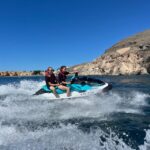
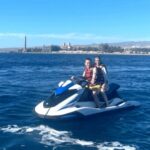
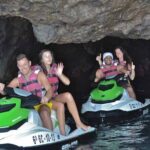
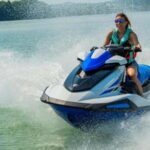
Photos and Cameras: The €25 Memory Reality
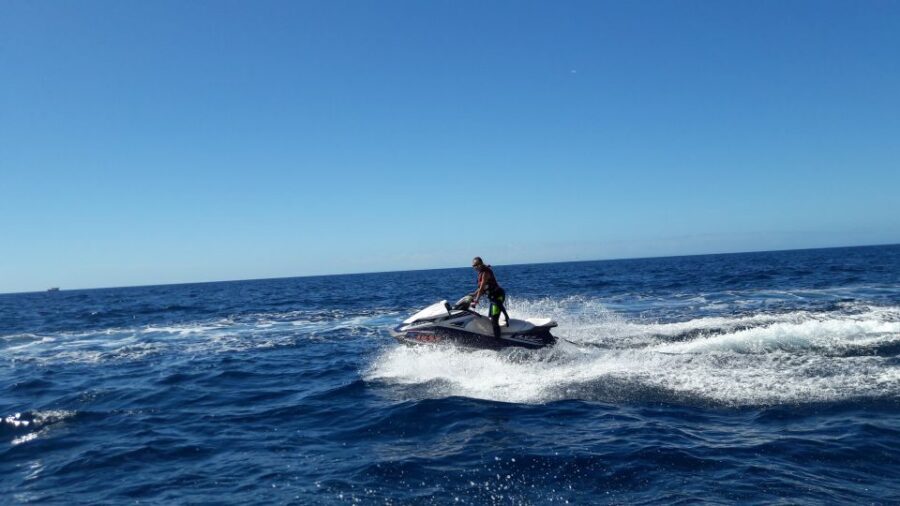
This tour has a clear rule: cameras aren’t allowed. That means your phone often stays out of the action. Multiple riders mention leaving phones on the safety boat so they don’t get wet. It’s a smart safety move, but it does affect how you capture memories.
So how do people get photos? The guide can take them with a professional camera during the ride. The added cost that shows up in feedback is typically €25 for an SD card. Some people describe receiving lots of images (hundreds), including action shots while you’re zipping across the water.
There’s a trade-off here:
- If you want real action photos, the add-on can be worth it because you can’t DIY your own camera shots during the ride.
- If you’d rather keep costs down, you’ll have to accept that your memories will be mostly mental (and maybe a phone-only photo before or after, if the operator allows it—though cameras are not allowed during the activity itself).
If you’re deciding whether to buy the photos, think like this: do you want proof of the moment enough to pay extra? If yes, plan for it. If no, go in knowing you’re trading photography for pure riding time.
What You Actually Get for the Money (and What You Don’t)
Price is listed as $82 per person, but the important detail is that it’s per jet ski, not a simple per-human fee. If two people want to share one jet ski, you should select only one participant for that booking. If three people are sharing two jet skis, select two participants. This detail matters because it can make the cost per person much better when you’re sharing.
What’s included:
- Life jacket
- Insurance
- Transport to the jetski from the harbor
- Jetski
- A monitor on a safety boat
What isn’t included:
- Hotel pickup and drop-off
- Food and drinks
Value-wise, the included items are what you want for water safety and reduced hassle. The monitor boat support is a big part of the pricing logic. You’re paying for the combo of equipment + supervision + guided pacing, not just renting a machine and hoping for the best.
Two practical planning points:
1) Bring your own water plans. Since food and drinks aren’t included, eat before you go and bring a snack if you’re prone to getting hungry after adrenaline.
2) Since there’s no hotel pickup, you’ll want to be ready to get yourself to Puerto Base on time.
Who Should Book This Jetski Tour (and Who Should Skip It)
This is built for adults: the activity is valid for people over 18 years of age. Minors can only go if accompanied by an adult, but the baseline rule is still 18+.
It also requires comfort in the water. You must know how to swim, and it’s not suitable for non-swimmers. The tour also isn’t for:
- Pregnant women
- People with heart problems
- Wheelchair users
If you hate safety briefings or you’re uncomfortable with fast water movement, take that into account. But if you’re okay following directions, holding posture, and dealing with wind and spray, you’ll probably love the experience.
This tour is especially a good match for:
- First-time thrill seekers who want a guided setup
- Couples who can share one jet ski and still get big energy
- People who want wildlife plus speed, not just speed alone
Should You Book Puerto Rico de Gran Canaria Jetski Tour?
If you want the most bang for your Gran Canaria time in the most fun way possible, I think this is an easy yes. You get a guided jetski experience with a safety boat monitor, plus the chance to spot marine wildlife along the southwest coast. The ride also has enough structure that you’re not just guessing your way through the waves.
Book it if:
- You’re comfortable following instructions and can swim
- You want speed and a different perspective of the coast
- You’re okay with the no-camera rule and may want the guide’s photo pack
Maybe skip it if:
- You need your own camera during the ride
- You’re sensitive to choppy conditions (even though the operator can’t control weather)
- You’re not confident yet and only want a very gentle experience
FAQ
How long is the Puerto Rico de Gran Canaria jetski tour?
It runs from about 30 minutes up to 1 hour. The exact length depends on the starting time you choose.
Is the price per person or per jet ski?
The price is per jet ski. If two people share one jet ski, select 1 participant. If three people share two jet skis, select 2 participants.
Do I need to know how to swim?
Yes. Knowing how to swim is required.
Are cameras allowed during the activity?
No. Cameras are not allowed during the tour.
What should I bring with me?
Bring a towel, sunscreen, comfortable clothes, and beachwear.
Where is the meeting point at Puerto Base?
Meet at the local partner location at Puerto Base. Look for a yellow flag with the Gran Canaria Water Sport S.L. jetski logo, and find it near the pier area by Grill Costa Mar Restaurant.
What’s the cancellation window for a refund?
You can cancel up to 24 hours in advance for a full refund.