REVIEW · GRAN CANARIA
Las Palmas: Sunset & Night Sky Guided Astronomy Hiking Tour
Book on GetYourGuide →Operated by RockNatour · Bookable on GetYourGuide
The night sky over Gran Canaria is the main show. What makes this tour special is the combo of a sunset trek to Ventana del Nublo and then hands-on astronomy lessons that help you read the stars on your own. I love the practical focus on constellations, planets, and the Milky Way, and I also like that it’s a small group with comfort touches like blankets and a hammock. One thing to plan for: you need a car to reach the meeting area, and the route/meeting point can shift with weather.
You’ll walk a famous trail section—the Camino de Santiago de Gran Canaria—then reach Tejeda’s iconic viewpoint area for a big west-coast style sunset. The guide (English-speaking, and in one review Pablo was singled out for clear explanations) ties the moment to both the sky and local Canary culture, so the experience feels more like a story you can follow than a checklist.
After dark, the tour turns into a guided “look and learn” session. With binoculars, a screen for explanations, and warm drinks plus snacks, you’re not just staring up—you’re getting a method for finding what you came for. Still, remember: telescopes aren’t used here, so this is about observation and guidance, not high-power astronomy gear.
In This Review
- Key Points That Make This Tour Worth Your Time
- Why Ventana del Nublo at Sunset Feels Different Than a Basic Viewpoint
- Getting There by Car: The Logistics That Actually Matter
- Hiking the Camino de Santiago to Tejeda’s Iconic View
- From Sunset to Stars: How the Guide Walks You Through the Sky
- Snacking, Hot Drinks, Blankets, and a Hammock: Why Comfort Improves the Astronomy
- What You’ll Learn About Constellations and the Milky Way (Without Needing a Telescope)
- Price and Value: Is $68 Worth a 3-Hour Small-Group Night Sky Hike?
- Who Should Book This Tour (and Who Might Want Something Else)
- What to Bring and How to Prepare for a Smooth Night
- Should You Book the Las Palmas Sunset & Night Sky Guided Astronomy Hike?
- FAQ
- Do I need my own car to get to the meeting point?
- How long is the Las Palmas sunset and night sky tour?
- Is a telescope included or used?
- What astronomy gear and teaching tools are provided?
- What comfort items and refreshments are included?
- What should I wear or bring for the hike and stargazing?
Key Points That Make This Tour Worth Your Time
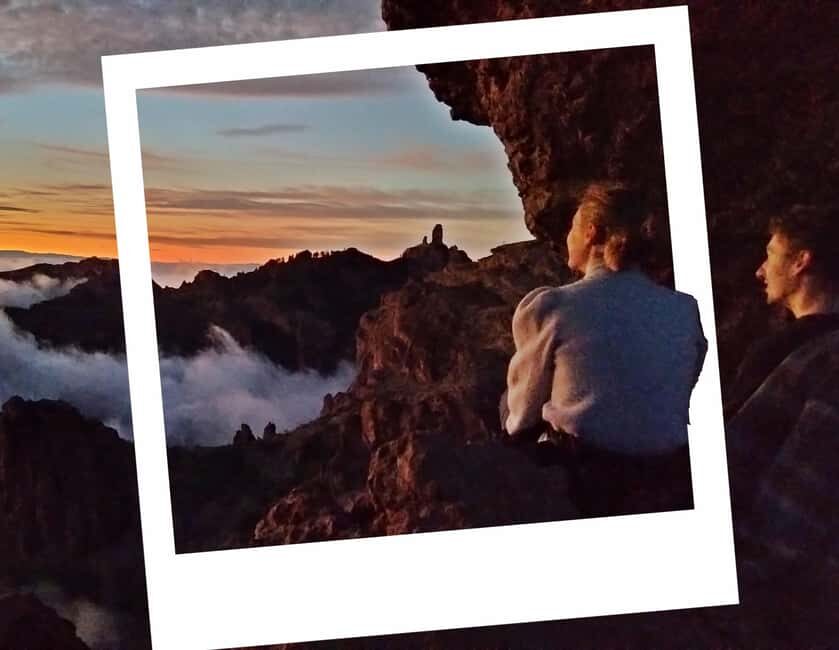
- Sunset at Ventana del Nublo with views toward Roque Nublo and Teide while your guide teaches basics of the sky
- Camino de Santiago de Gran Canaria hiking route that adds purpose to the night outing
- Milky Way and constellations with binoculars plus a screen so you can actually learn what you’re seeing
- Snacks, hot drinks, blankets, and a hammock to keep you comfortable during the stargazing portion
- Small group limit of 10 for a more personal pace and better Q&A with your English guide
Why Ventana del Nublo at Sunset Feels Different Than a Basic Viewpoint
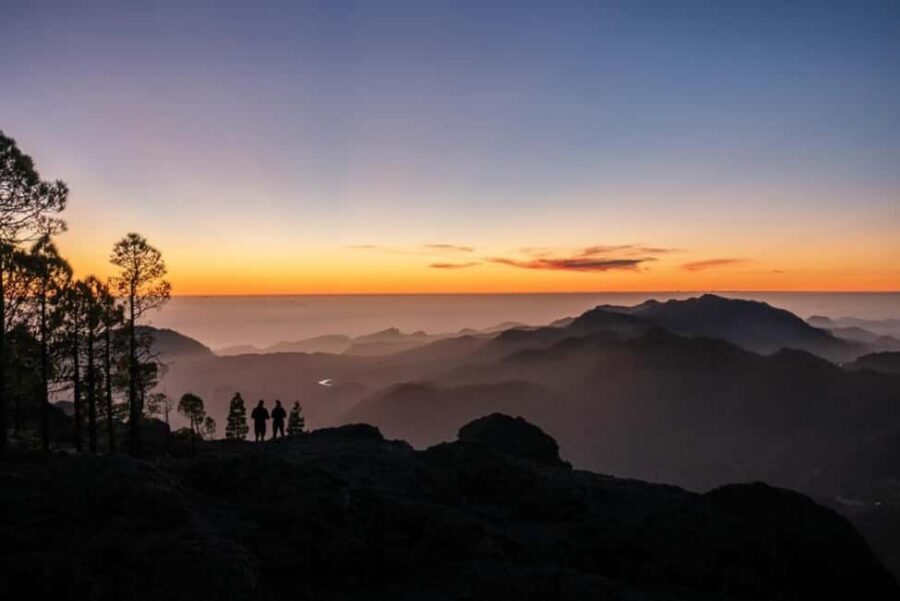
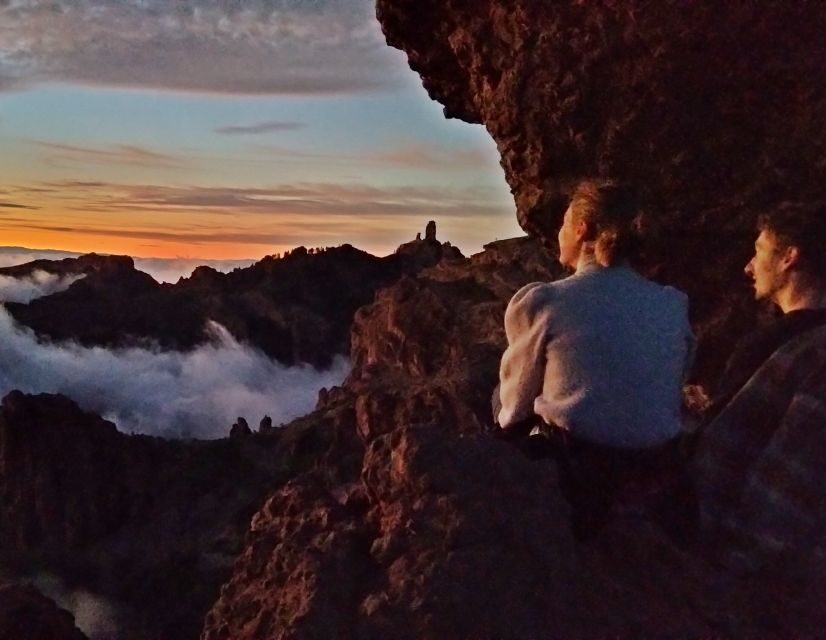
Ventana del Nublo is one of those places that hits you fast. You’re not just getting a distant photo angle; you’re arriving at a recognizable, iconic Tejeda viewpoint area that’s famous for its rock formations and dramatic sky. The tour’s timing is smart: you hike up while there’s still light, then you watch the sunset as the sky changes—day to night in a slow, understandable sequence.
What I like about this format is that it keeps your attention on transitions. The hike is active, the sunset is the emotional payoff, and then darkness arrives and your guide shifts gears to help you start “reading” the night sky. You’re essentially learning how to look at the Milky Way the same way someone would learn a new map: step-by-step, not guess-and-check.
Also, the view isn’t only “the sky.” The tour specifically calls out views toward Roque Nublo and Teide. That matters because it gives you anchored reference points. You’re looking at a connected scene—mountains plus stars—so it feels like Gran Canaria, not just generic astronomy.
Other Las Palmas tours we've reviewed in Gran Canaria

Getting There by Car: The Logistics That Actually Matter
Here’s the part that can make or break your evening: this is not a pick-up-and-drop-off tour. There’s no transfer, and public transport doesn’t work in these zones. You’ll need your own car to reach the campground-area meeting point where the tour starts.
Why I consider this a real factor (not just fine print): the timing is tight. It’s a 3-hour outing, and it runs at set starting times based on availability. If you’re relying on buses or taxis, you risk arriving late or stressing out before the sunset even begins. If you do have a car, you can treat it like a planned evening activity rather than a logistical puzzle.
One more practical note: weather can change plans. The activity may require changing the date or meeting point depending on conditions, because the operator is trying to get the best possible sky and viewing setup. That’s common for stargazing tours in general, but it’s good to know you’re not locked into one rigid location come what may.
Hiking the Camino de Santiago to Tejeda’s Iconic View
The hike portion starts in the center of the island, among mountain scenery, and follows the Camino de Santiago de Gran Canaria. Even if you’re not a hardcore hiker, the Camino angle adds meaning. It’s a route with a reputation on Gran Canaria, and that gives the walk a built-in sense of direction.
Along the way, the goal is not speed. The route is designed for the rhythm of arriving at Ventana del Nublo for sunset. You’re walking while it’s still bright enough to appreciate the changing environment—then the terrain gives way to the main event as the sky darkens.
A key detail: the included comfort items (blanket and hammock) show that the stargazing stop is planned to be a real pause, not a quick roadside check. That’s a big difference from a typical “walk for 10 minutes and then look around.” You’ll reach the viewpoint area, settle in, and stay for the sky portion.
Potential drawback: you do need hiking shoes and warm clothing. Night air in mountainous terrain can be colder than you expect, and the tour is outdoors through multiple stages (sunset plus actual darkness). If you show up in thin sneakers or summer layers, the experience can feel more uncomfortable than magical.
From Sunset to Stars: How the Guide Walks You Through the Sky
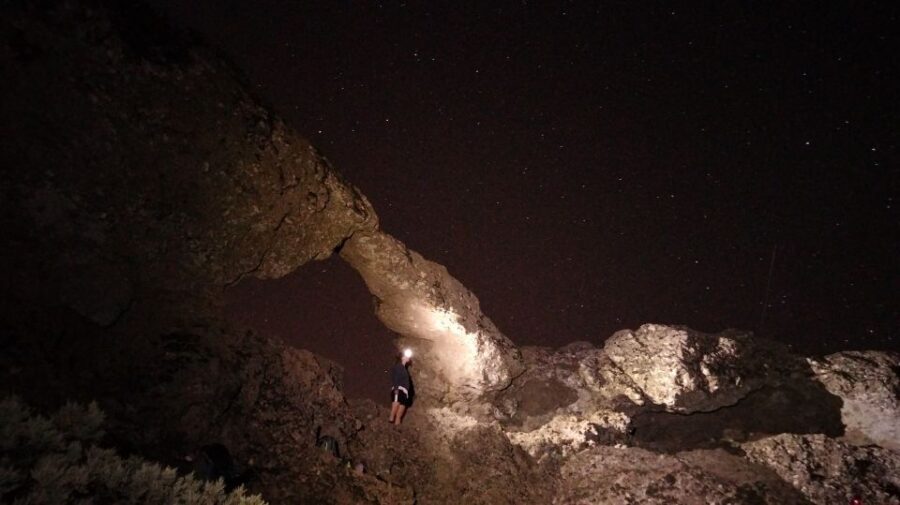
The sunset stop at Ventana del Nublo is where the tour’s learning goals become visible. As the sun sets, your guide covers basic astronomy concepts in a way that’s meant to stick. This is not a “here are some facts and good luck” session. The tour includes a screen for explaining concepts, so you’ll get visual structure as the sky changes overhead.
You’ll also be watching for the points the tour highlights, including the Milky Way and constellations. The operator calls out learning how to identify not only constellations, but also planets, and then using what you learn so you can enjoy the night sky again without a telescope and with whatever you have on hand.
That last part matters for value. Plenty of stargazing experiences stop at the show. This one tries to give you a repeatable skill: you leave with a mental method for finding major targets even on your own. It’s the difference between watching fireworks once and learning how to spot fireworks displays yourself later.
And yes, the tour is designed to be practical. Binoculars are included, but telescopes aren’t used. So the experience leans toward wide-sky viewing and guided identification rather than detailed astrophotography or zoomed-in planet views. If you come expecting a telescope, you’ll feel underwhelmed. If you come to learn how to see and recognize, it’s exactly the right approach.
Snacking, Hot Drinks, Blankets, and a Hammock: Why Comfort Improves the Astronomy
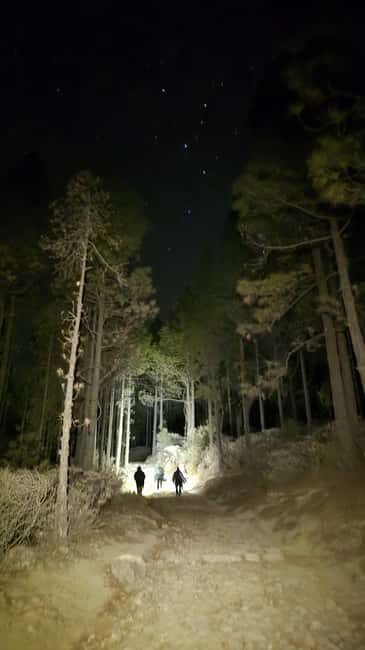
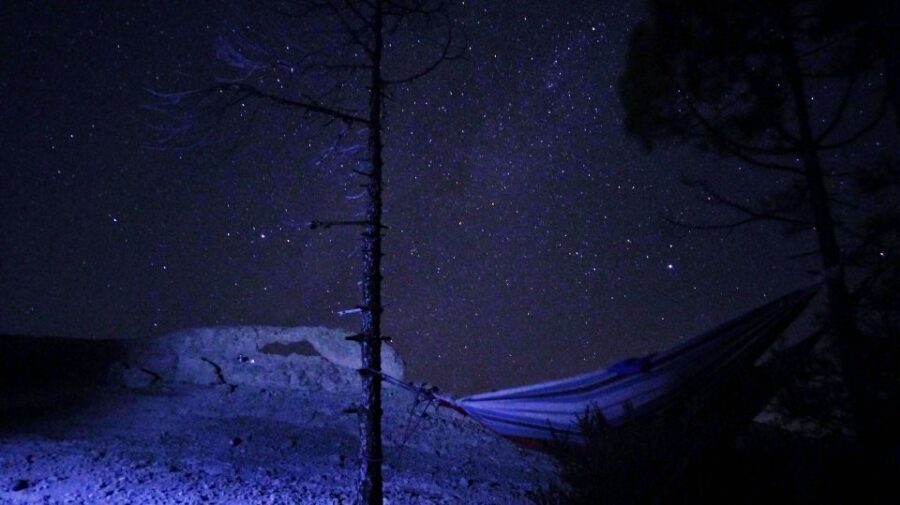
The tour includes snacks and hot drinks, plus a light, a blanket, and even a hammock. That might sound like extra fluff, but it’s actually smart design.
At night, your ability to enjoy the view depends on staying comfortable enough to look up for longer stretches. When you’re cold or fiddly, you keep breaking your attention to fix your situation. The blanket helps you stay warm at the stargazing stop, and the hammock gives you a relaxed way to watch the sky without standing rigidly the whole time.
Hot drinks and snacks are also part of keeping your energy steady during the shift from hike to night viewing. You’re active in the earlier phase, then you switch to stillness. It’s easier to stay patient and focused when you’re not hungry or chilled.
One of the strongest clues about quality comes from the reviews: people describe the snacks as exceeding expectations. Another thing praised is the guide’s explanations paired with the overall comfort setup. In other words, it’s not just “stars, bye.” It’s a planned evening rhythm.
Other guided tours in Gran Canaria

What You’ll Learn About Constellations and the Milky Way (Without Needing a Telescope)
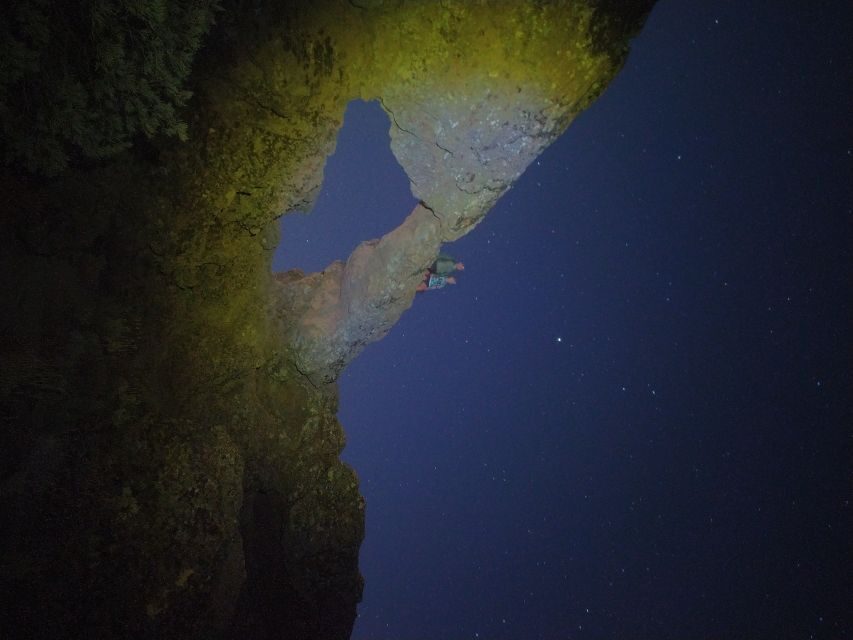
This tour’s astronomy portion is built around the moment you want: seeing the sparkle and magic of the Gran Canaria night sky and understanding what you’re seeing as it unfolds.
Because a telescope isn’t used, the guide has to teach you how to locate objects by shape, position, and basic sky context. That’s why the tour includes binoculars and a screen. You’ll likely get guidance on what to look for first, how to connect stars into recognizable patterns, and how the Milky Way fits into the broader sky.
You’ll also be learning about planets—meaning you’re not only doing constellation spotting. Planets can stand out in different ways than star clusters or myth-based patterns, and your guide is there to help you interpret what’s in front of you.
If your goal is to return home and keep using your eyes (not your equipment), this format is a strong match. You’re being taught how to interpret the sky yourself, night after night, using the simplest tools: your own attention, binoculars if you want them, and the basics your guide provides during the lesson.
Price and Value: Is $68 Worth a 3-Hour Small-Group Night Sky Hike?
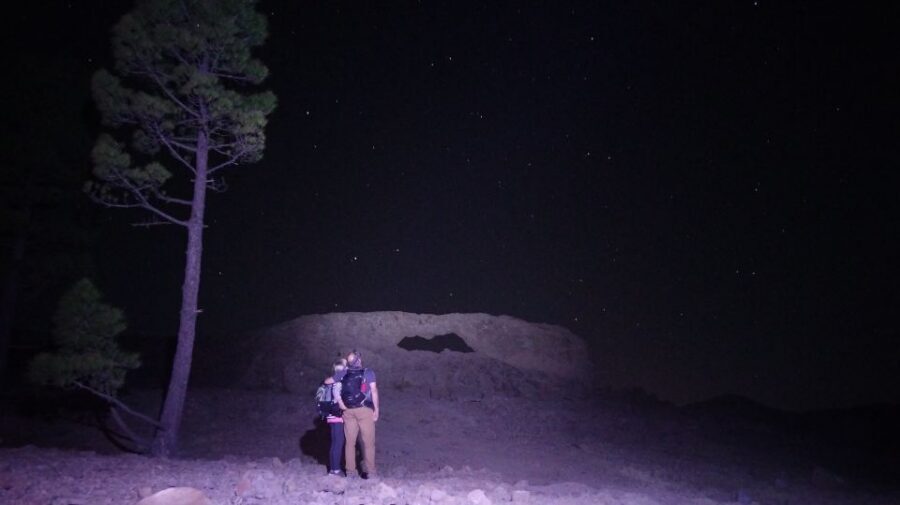
At $68 per person for a roughly 3-hour experience, you’re paying for three things: a guided hike to a key viewpoint, a structured astronomy lesson, and the evening comfort package.
Here’s how that value adds up in real terms:
- Guided hike: You’re following the Camino de Santiago de Gran Canaria route and reaching Ventana del Nublo at the right time window for sunset and darkness. That saves you from guessing schedules and timing on your own.
- Guided astronomy: You get a live English guide, binoculars, and a screen for explanations. You’re not just receiving a place to stand—you’re getting a way to understand what you see.
- Included comfort: Snacks, hot drinks, blankets, and a hammock make a night activity actually enjoyable, especially when you’re dressed for warmth but not necessarily “camping ready.”
- Small group size: The tour caps groups at 10 participants. That improves the odds you’ll get clear answers rather than being part of a crowd where you can’t ask questions.
If you love structured, hands-on learning experiences, the price feels reasonable. If you’re only chasing the cheapest possible stargazing moment and you don’t care about being taught how to identify what you see, you might find other ways to watch the sky on your own. But for many people, the guide’s explanations are the real “wow”—and that’s consistently what shows up in the standout reviews.
Who Should Book This Tour (and Who Might Want Something Else)
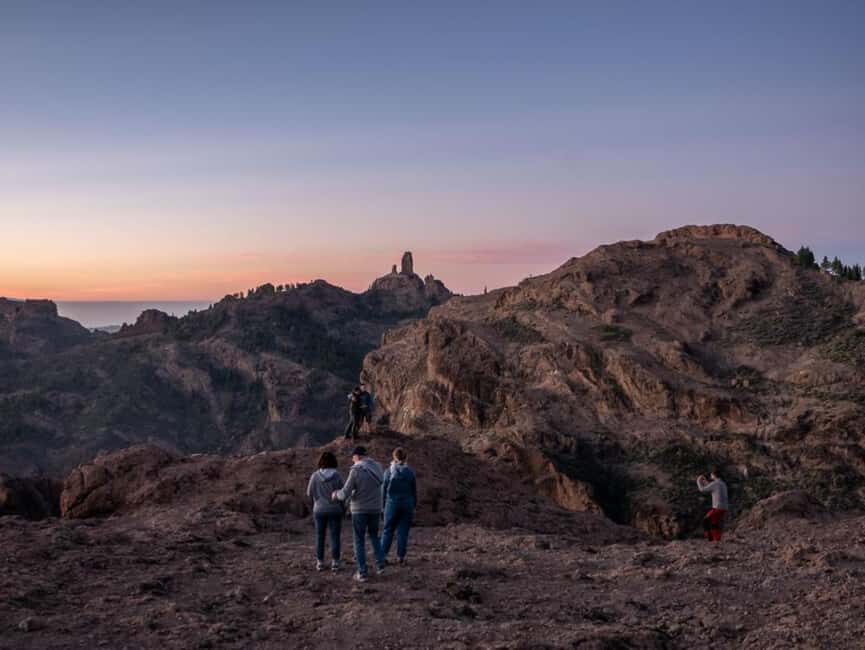
This tour fits best if you want a calm, guided evening that mixes hiking with learning. It’s a strong option for couples (the vibe can be more personal with a small group), and it’s ideal for people who enjoy practical education—people who like knowing the names and stories behind what they’re seeing.
You’ll also enjoy it if you’re traveling on Gran Canaria and want something that feels local rather than purely tour-bus sightseeing. The route and viewpoint setup lean toward a less generic experience, focused on specific stars and specific Canarian scenery.
Who might want to adjust expectations:
- If you require telescopes for your experience, this isn’t that tour. Telescopes aren’t used.
- If you don’t have a car, plan carefully. Public transport doesn’t work in the zones you need to reach for the meeting point.
- If cold nights ruin stargazing for you, bring warm clothing and hiking shoes. The tour is outdoors, and you’ll be there through the sunset-to-dark transition.
What to Bring and How to Prepare for a Smooth Night
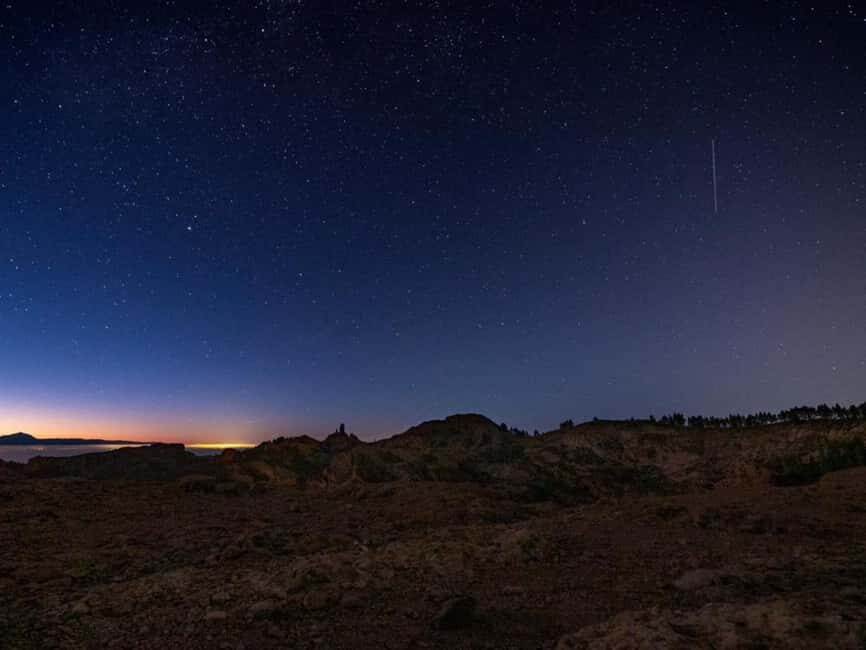
Keep your preparation simple and honest:
- Wear warm clothing. The tour is at night and includes outdoor walking and stargazing.
- Bring hiking shoes. You’ll be walking on a route tied to the Camino de Santiago de Gran Canaria.
- Expect you’ll be outside for multiple phases: walking, sunset watching, then dark-sky viewing.
If the weather is iffy, don’t panic. The operator may change the date or meeting point to find the best conditions. The goal is better sky and better safety, not forcing the same plan no matter what.
Should You Book the Las Palmas Sunset & Night Sky Guided Astronomy Hike?
I’d book this when you want a guided night experience that teaches you something you can use later. The combination of Ventana del Nublo at sunset, the Camino de Santiago hike, and then a structured astronomy session makes it more than a photo stop.
Do book it if you care about:
- learning constellations and planets
- seeing the Milky Way with real guidance
- enjoying the comfort extras like blankets, hammock, and hot drinks
- having a small group so the guide can explain clearly (and if Pablo is leading, that’s a bonus based on the praise you’ll see)
I’d think twice if you:
- don’t have a car and can’t get to the campground-area meeting point
- expect a telescope-based astronomy experience
- are very sensitive to cold and don’t want to dress for a mountain night
If you’re in the mood for an evening that’s part hike, part lesson, and part sky spectacle, this is a smart way to spend your time in Gran Canaria—especially when you want to leave knowing how to spot the stars again on your own.
FAQ
Do I need my own car to get to the meeting point?
Yes. The tour does not offer transfers, and public transport doesn’t work in these zones. You’ll need a car to reach the campground-area meeting spot.
How long is the Las Palmas sunset and night sky tour?
It runs for about 3 hours. Starting times depend on availability.
Is a telescope included or used?
No. Telescopes are not used in this activity, though binoculars are included.
What astronomy gear and teaching tools are provided?
You’ll have binoculars, a screen for explaining astronomy concepts, and live guidance from an English-speaking tour guide.
What comfort items and refreshments are included?
The tour includes snacks and hot drinks, plus a blanket and a hammock, along with light support.
What should I wear or bring for the hike and stargazing?
Wear warm clothing and hiking shoes, since you’ll be outdoors through the sunset and into the night.