REVIEW · GRAN CANARIA
Gran Canaria: Zipline and Mountaineering Tour
Book on GetYourGuide →Operated by Yukan Outdoor Gran Canaria · Bookable on GetYourGuide
Gran Canaria has a way of surprising you fast. This tour strings together beginner climbing and hands-on rope work in Santa Lucía de Tirajana, with a 50-meter zipline that wakes everything up. The cave part is legit and a bit dark, but you’re not left guessing—lighting and coaching are part of the deal, and the only real drawback is it won’t fit if you’re already dealing with low fitness or strong fear of heights.
What makes it feel manageable is the pace and the crew size. You go step by step, with a guide giving clear safety instruction (and yes, Daison is the kind of instructor who helps nervous climbers stay calm). The tour runs in a small group (max 6) and the instructor speaks English and Spanish, which makes the whole experience smoother when you’re learning new movement like climbing, crossing metal sections, and abseiling.
In This Review
- Key Highlights at a Glance
- Zipline, Climbing Wall, and the Volcanic Tube: How the Adventure Actually Flows
- Meeting Point and Getting There Without Drama
- The Beginner Progression: What You Learn in Order
- First stop: the briefing and safety mindset
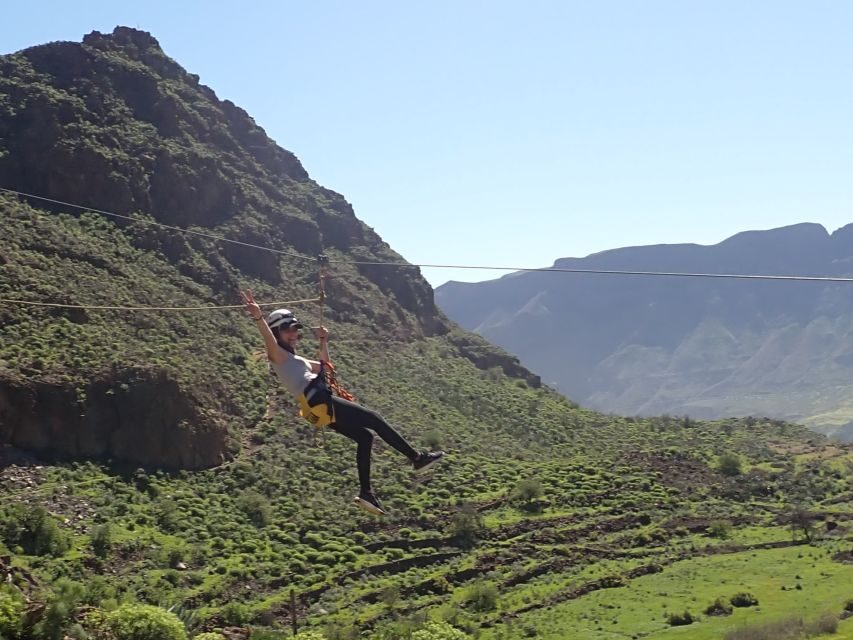
- The zipline: 50 meters that reset your confidence
- Climbing wall: your first hands-on technique
- Cave exploration: the moment you realize lighting changes everything
- Abseiling: getting out of the cave safely
- Via ferrata finish: hiking and climbing together
- Price and Value: What $104 Buys You in 4 Hours
- What to Bring (So You Don’t Lose Time)
- Who This Tour Works Best For (And Who Should Skip It)
- Group Size and Your Guide: The Difference Between Doing It and Surviving It
- Cave + Via Ferrata: What You’ll Feel in Your Body
- Should You Book This? My Practical Recommendation
- FAQ
- How long is the Gran Canaria zipline and mountaineering tour?
- Where is the meeting point?
- Is hotel pickup included?
- What’s the group size?
- Is the tour suitable for beginners?
- What activities are included?
- What’s included in the price?
- What should I bring?
- Who is the tour not suitable for?
Key Highlights at a Glance
- Progressive challenge: Zipline first, then climbing and via ferrata so you build confidence in order.
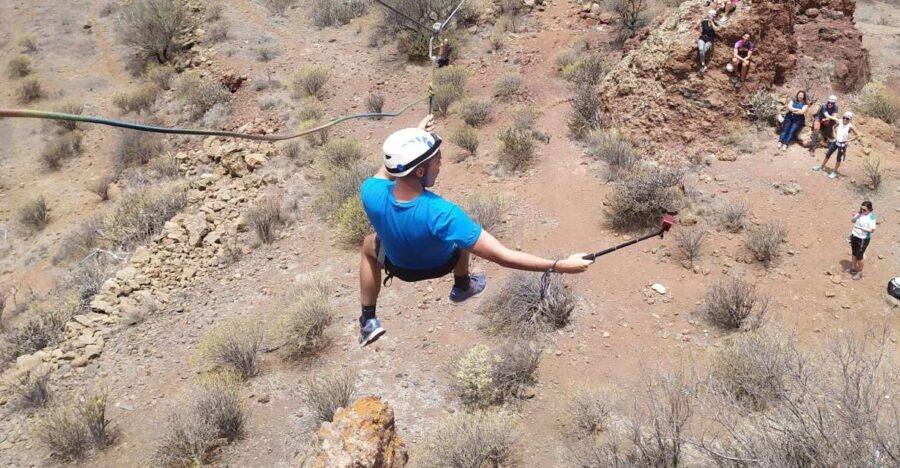
- 50-meter zipline: A true “wow” moment you’ll feel in your stomach—in a good way.
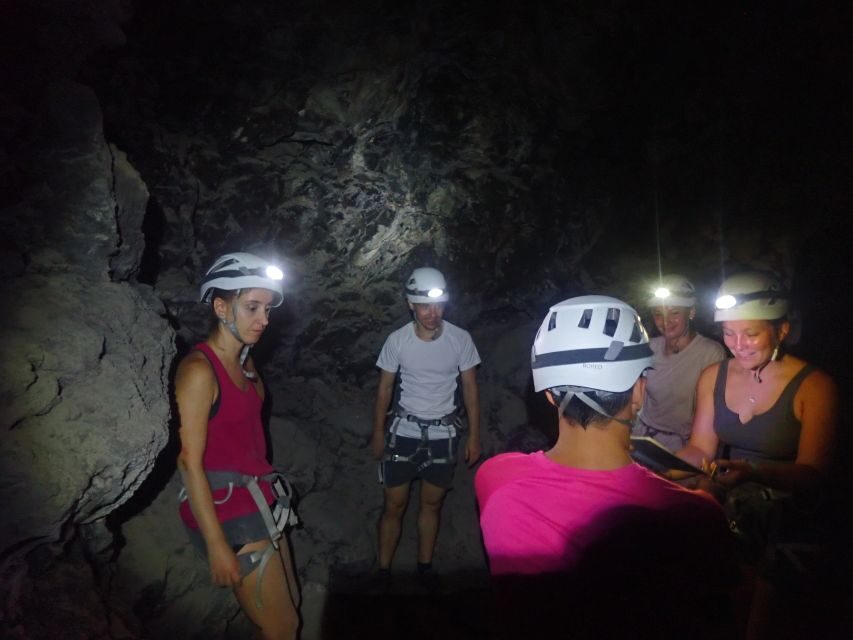
- Cave abseil with lighting: You descend a volcanic tube and get out using ropes and guidance.
- Beginner-friendly technique: Expect a safety tutorial and help with gear before anything technical.
- Small group attention: Limited to 6 participants, so you spend less time waiting and more time doing.
- Photos included: You’ll get pictures, which matters because your hands are busy and your phone stays mostly away.
Zipline, Climbing Wall, and the Volcanic Tube: How the Adventure Actually Flows
This isn’t the kind of tour where you bounce from one viewing point to another and call it an adventure. It’s four hours of physical learning: short bursts of climbing, rope work, and a via ferrata finish. And the route format helps you mentally, because you don’t start with the scariest thing.
You’ll begin with a briefing and some context about the area—Santa Lucía de Tirajana, tied to former aboriginal roots. That matters more than it sounds. When you understand the setting (volcanic terrain and mountain routes shaped by the landscape), the activity feels less like random sport and more like a guided way to move through the island.
Then comes the first big thrill: a 50-meter zipline. After that, you’ll walk to the climbing wall and transition into the equipment stage. This is where the tour earns its beginner label. You don’t just get thrown into gear and told good luck. You’ll do a short tutorial, put on safety equipment, and learn what to check and how to use the system before you climb.
From there, it gets wilder—in the best way. You move into a dark volcanic tube (a natural cave formation) and use included lighting. The highlight isn’t just being underground. It’s learning how to abseil with ropes to get out of the cave safely. You finish with another technical section: a via ferrata route, a mix of hiking and climbing that feels like the “connections” between all the earlier skills.
Other Gran Canaria tours we've reviewed in Gran Canaria


Meeting Point and Getting There Without Drama
The meeting point is practical: after a concrete road, there’s a dirt car park, and that’s where you meet the group.
If you’re staying in Las Palmas or elsewhere and you’re thinking about hotel pickup, keep one thing straight: pickup isn’t automatically included. The only time it’s mentioned is with a Premium option. So plan on your own transport to the dirt car park unless you’ve booked the Premium transfer.
The tour is short—4 hours—so you don’t want to burn that time hunting for the exact spot. If you’re unsure where you’re turning, check directions early and treat the last stretch as your “concrete-to-dirt” landmark test.
The Beginner Progression: What You Learn in Order
If you’re a true beginner, this tour’s structure is the secret sauce. It’s not “beginner” as in watered down. It’s beginner as in the order is designed to build confidence.
First stop: the briefing and safety mindset
You’ll get a guide briefing and historical background first. Then you move to the activity briefing style that matters most: what you do with the gear, how you behave on the route, and what to do if something feels off.
From experience teaching this kind of route, guides tend to emphasize one thing: stay calm, follow the steps, and don’t rush. That’s what makes rope work feel less like a test and more like a skill.
The zipline: 50 meters that reset your confidence
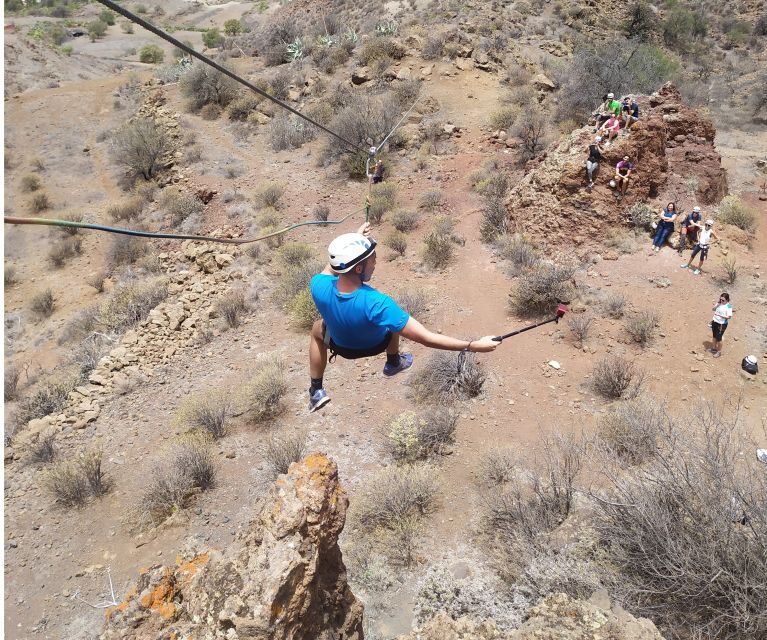
A 50-meter zipline is a serious distance. Even if you’ve done ziplines before, it’s long enough to feel real. The upside is you start outdoors, you can see what’s ahead, and you get that immediate payoff early.
One detail I like: you don’t do the zipline as a random side quest. It’s the first challenge of the day, so it sets a positive tone. After the ride, your brain stops treating the day as scary and starts treating it as learnable.



Climbing wall: your first hands-on technique
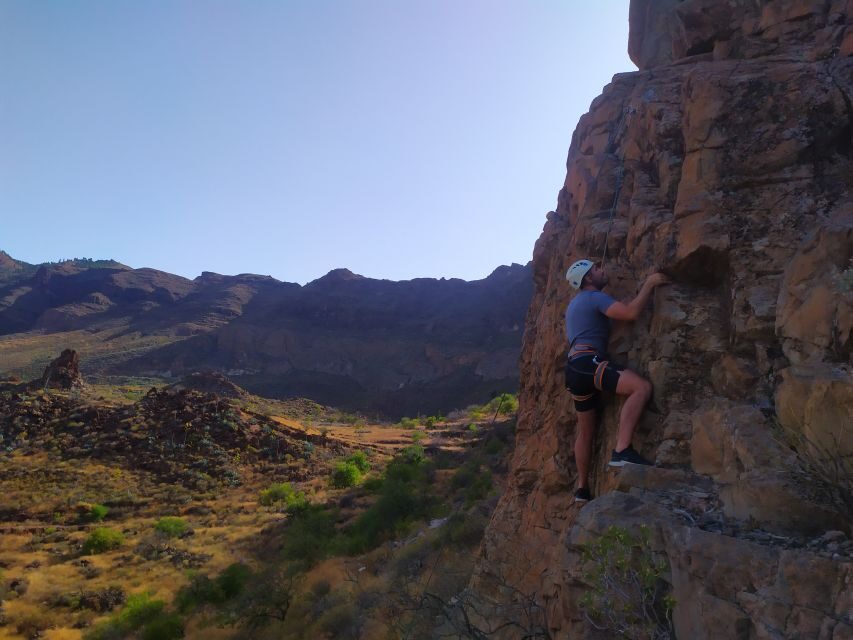
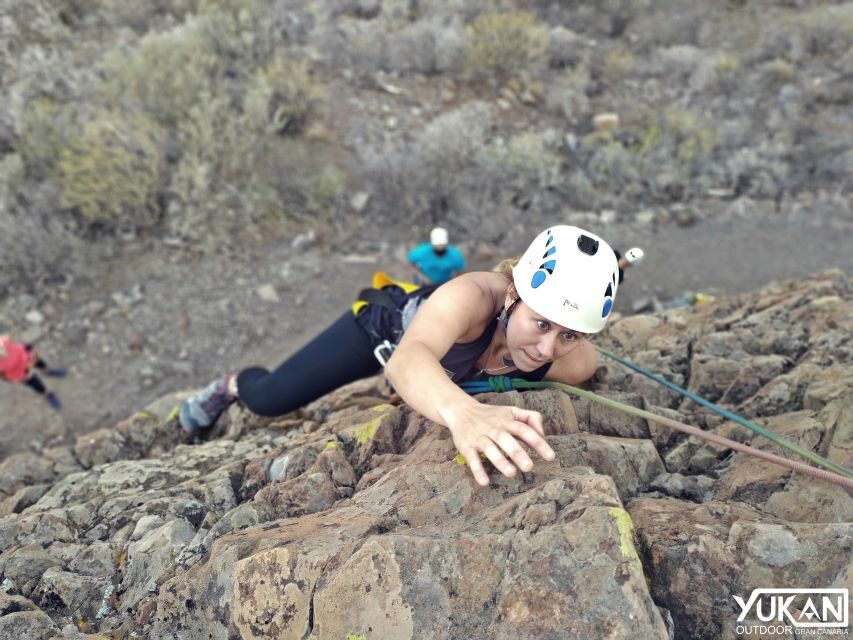
After the zipline you reach the climbing wall and you’ll don your safety equipment after a short tutorial.
This is the part that helps you later. When you practice the basics—how you move, how you clip into the safety system, and how you keep balance—you’ll feel less overwhelmed when you hit the via ferrata and the cave section.
Cave exploration: the moment you realize lighting changes everything
The tour includes climbing inside a dark volcanic tube. That sounds intimidating, but the equipment includes lighting. So you’re not just “hoping” you can see your steps.
What you should expect here is contrast: it’s darker, it’s more enclosed, and it demands more careful movement. The lighting makes the route navigable, but you still need focus. If you’re prone to panic in tight spaces, tell yourself the guide is managing that risk with the setup and the instruction.
Abseiling: getting out of the cave safely
Then you learn how to abseil with ropes in order to exit the cave. This is the skill that most people remember most clearly, because it’s both physical and mental.
The key is that the tour isn’t just about doing it. It’s about learning the method. You’ll use the safety system, follow the steps taught, and get guided through the movement until it feels understandable instead of mysterious.
Via ferrata finish: hiking and climbing together
To wrap up, you’ll finish with a via ferrata route—part hiking, part climbing, with fixed helps (like metal lines) that make the route more structured than random scrambling.
It ends where it began, which is nice for pacing and gives the day a clean shape: you start, build skill, go through the technical highlight, then close the loop.
Price and Value: What $104 Buys You in 4 Hours
For about $104 per person for a 4-hour session, you’re paying for more than just access to a zipline.
Included is the big stuff that usually costs extra when you piece activities together:
- A professional mountain guide
- Safety equipment
- Insurance
- A snack
- Pictures taken for you (meaning you aren’t juggling climbing with photo angles)
If you’ve ever priced out “guide + gear + insurance + photos” separately, the math starts looking more realistic. Here, the value is in the complete package. You’re not hiring someone to stand nearby; you’re paying for structured instruction, risk management, and the route design that ties everything together.
Also, small group size (up to 6) usually pushes the value higher. You get more attention per person, which matters when you’re learning abseiling, clipping, and moving along via ferrata elements.
What to Bring (So You Don’t Lose Time)
This is the kind of tour where the wrong footwear can feel like a bad joke.
Bring:
- Hiking shoes (non-slip is the goal)
- Weather-appropriate clothing
That’s it. No need for fancy climbing gear because safety equipment is provided. But don’t show up in flimsy sandals or shoes that slip on rocky surfaces. You’ll spend less time worrying and more time enjoying when your feet are confident.
Who This Tour Works Best For (And Who Should Skip It)
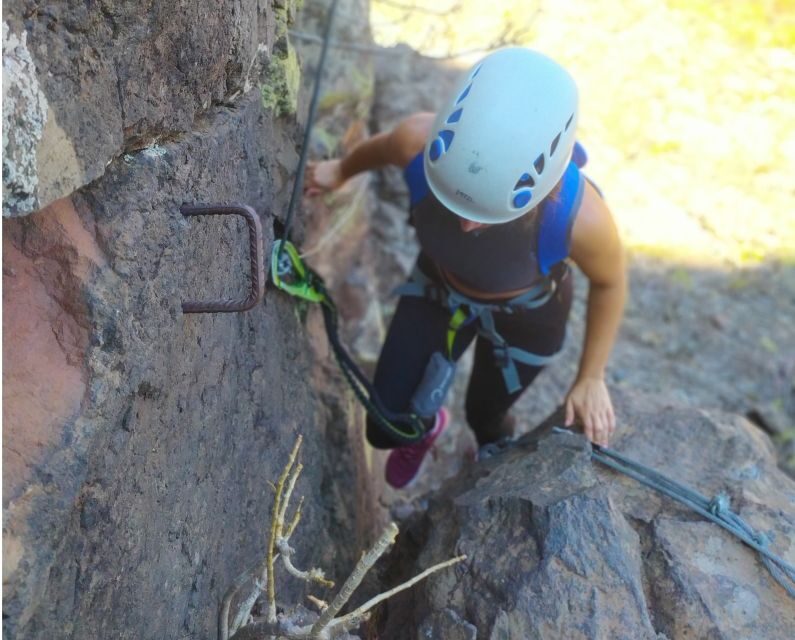
This activity is meant for adults and older teens who can handle moderate activity with a calm learning attitude.
It’s not suitable for:
- Children under 12
- Pregnant women
- Wheelchair users
- People over 60
- People over 260 lbs (118 kg)
- People with low level of fitness
If you’re nervous about heights or climbing, that doesn’t automatically disqualify you. The tour is set up for beginners, and guides are experienced at helping anxious people feel safe. In fact, one review highlighted how professionally a guide handled nerves and how instruction continued alternately in English and Spanish—patient and clear.
If you’re physically comfortable with hiking and you can follow instructions, you’ll probably find this tour very doable. If you’re already struggling with stamina or balance, the cave and via ferrata segments may feel like too much.
Group Size and Your Guide: The Difference Between Doing It and Surviving It
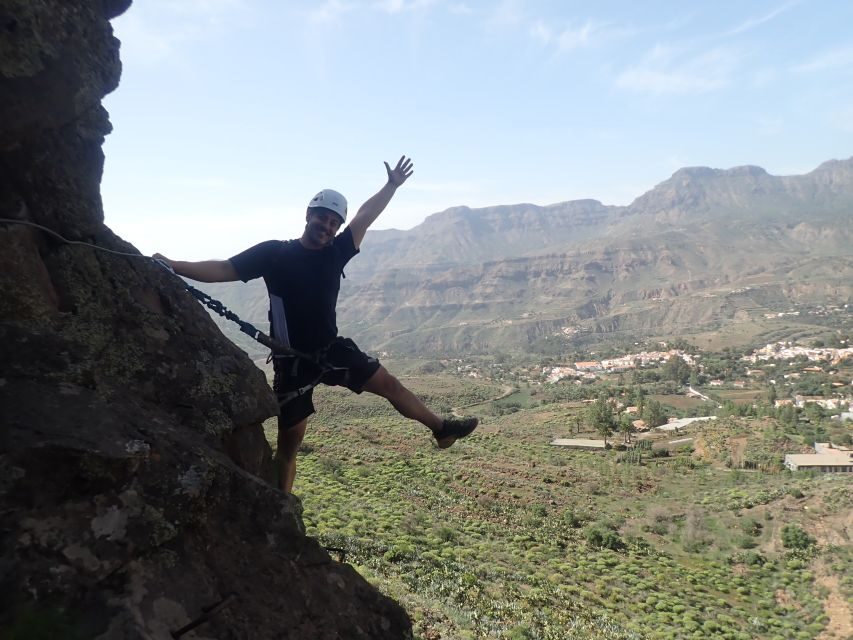
The tour caps at 6 participants, which is huge. Smaller groups mean less waiting, fewer bottlenecks, and more time with the guide when you’re learning.
The guides also seem to put energy into communication. One named guide, Daison, came up in reviews as funny, patient, and professional—especially with beginners who feel anxious. That matches what you want on a day where you’re learning zipline basics and then moving into climbing and rope systems.
Another practical point: you’re likely to look up less at your phone and more at what you’re doing. Phones stay mostly off during technical sections, and that’s where the included pictures become a welcome backup.
Cave + Via Ferrata: What You’ll Feel in Your Body
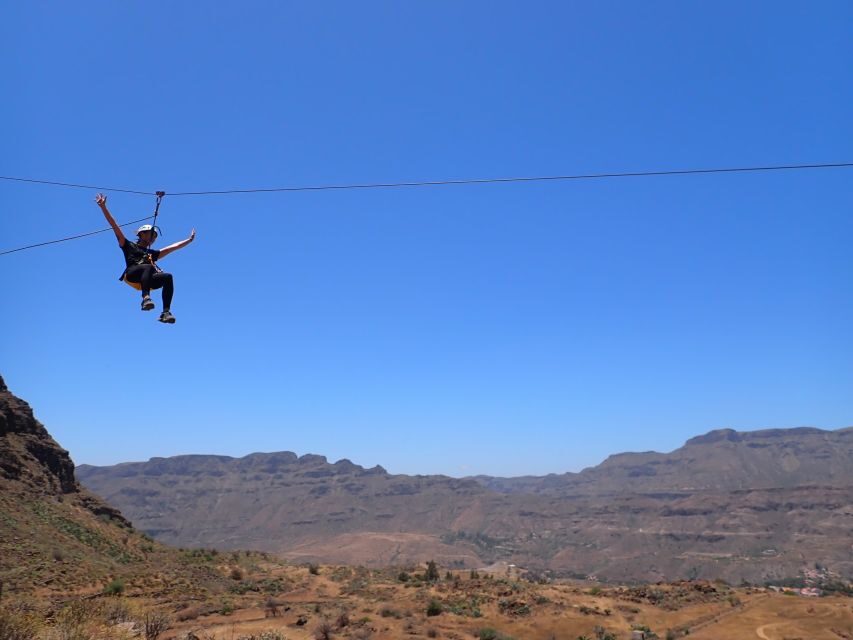
It’s normal to feel it later. This tour uses different muscles than simple hiking.
You’ll likely notice:
- Legs and core from zipline landing position shifts and climbing movements
- Forearms and grip while learning climbing sections
- A balance-and-focus workout during via ferrata
- Mental focus during abseiling (because controlled breathing helps)
Also, darkness in the cave can feel disorienting even with lighting. Don’t fight it. Follow the guide rhythm and keep your focus on the steps you’re taking.
The day is four hours, so you’re not signing up for a whole adventure weekend. It’s intense but time-limited, which helps your decision if you’re not sure how you’ll handle more extreme activities.
Should You Book This? My Practical Recommendation
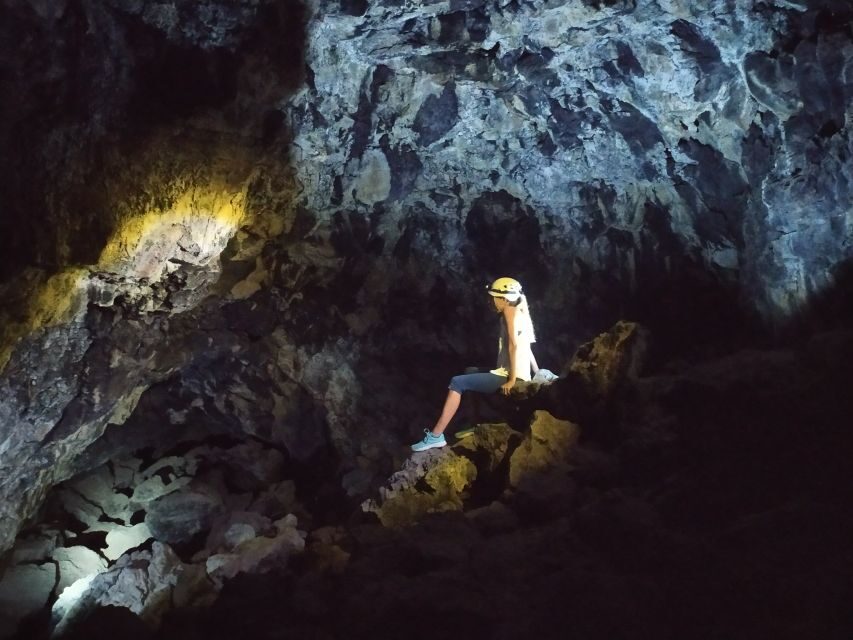
You should book if you want a real skills-based adventure in one afternoon: zipline thrills, climbing practice, a volcanic cave experience, and via ferrata—without needing previous climbing background.
You might skip if:
- You don’t feel comfortable with heights or rope systems, even with training
- You’re outside the fitness and age limits
- You want a low-activity, sightseeing-heavy day
If you’re a beginner who wants structured instruction (and you’re okay with being physically challenged), this tour is a strong value. For many people, the zipline is the headline. For others, it’s the cave abseil that makes the day feel unforgettable.
FAQ
How long is the Gran Canaria zipline and mountaineering tour?
It lasts 4 hours.
Where is the meeting point?
You meet after a concrete road at a dirt car park.
Is hotel pickup included?
Hotel pickup is not included, unless you choose the Premium option.
What’s the group size?
The group is limited to 6 participants.
Is the tour suitable for beginners?
Yes. The route is designed to help you gain confidence as a beginning climber, with instruction and a safety tutorial.
What activities are included?
You’ll do a 50-meter zipline, climbing at a wall, climbing in a dark volcanic tube with included lighting, abseiling with ropes to exit the cave, and a via ferrata section.
What’s included in the price?
Included are a professional mountain guide, safety equipment, insurance, a snack, and pictures.
What should I bring?
Bring hiking shoes and weather-appropriate clothing.
Who is the tour not suitable for?
It’s not suitable for children under 12, pregnant women, wheelchair users, people over 60, people over 260 lbs (118 kg), or people with low fitness levels.