REVIEW · GRAN CANARIA
Gran Canaria: Scuba Diving for Beginners
Book on GetYourGuide →Operated by Blue Water Diving · Bookable on GetYourGuide
Your first breath underwater starts here. This beginner-friendly PADI Discover Scuba (DSD) experience in Puerto Escala is built to calm nerves fast, teach the basics in a real-world setting, and get you into the sea to see marine life up close. I especially like the small group size (max 8) and the patient, slow step-by-step coaching, including help with equalizing and feeling comfortable in gear. One thing to plan for: there’s no hotel pickup or drop-off, so you’ll need to get yourself to the harbor.
The best part is the way the instruction turns scary unknowns into simple routines. In past groups, instructors like Kate, Jasmine, and Harry were repeatedly praised for clear explanations and taking extra time until you feel settled—so you’re not just handed fins and hoped for the best.
Key highlights worth noting
- Small group format keeps attention on you (limit 8 participants)
- PADI-led coaching means you learn safety and hand signals early
- Real open-water time (up to 12 meters / 40 feet) after shallow practice
- All gear included, so you show up in swimwear and go
- English and Spanish instruction helps you keep up with confidence
- Marine sightings are a big focus, with first-timers in past groups reporting lots of fish and even an octopus
In This Review
- Where You Start at Puerto Escala Harbour (and why it matters)
- What PADI Discover Scuba Teaches You (without the pressure)
- Gear, gear fitting, and the comfort factor
- From shallow skills to open water up to 12 meters
- What you’ll see off Gran Canaria’s coast
- Who this is best for (and who should skip it)
- Price and value: what $106 buys you in real terms
- Timing and how to plan your day in Puerto Rico
- Tips that actually help (nerves, equalizing, photos)
- Is it worth booking with Blue Water at Puerto Escala?
- FAQ
- What is PADI Discover Scuba and is it a certification course?
- Do I need any prior scuba experience?
- How long does the experience last?
- How deep will the open-water part be?
- What’s included in the price?
- Where do we meet for the activity?
- Is hotel pickup and drop-off included?
Where You Start at Puerto Escala Harbour (and why it matters)
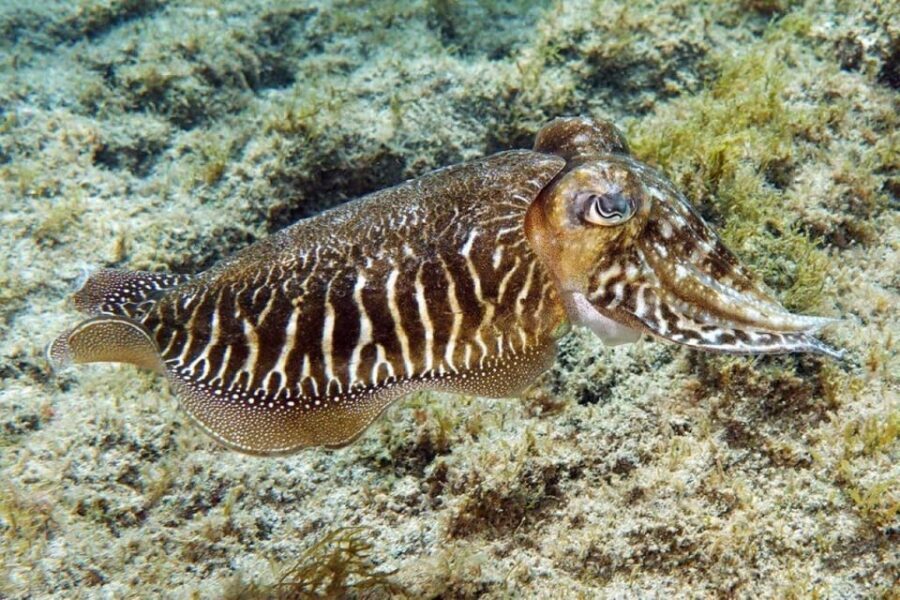
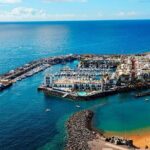
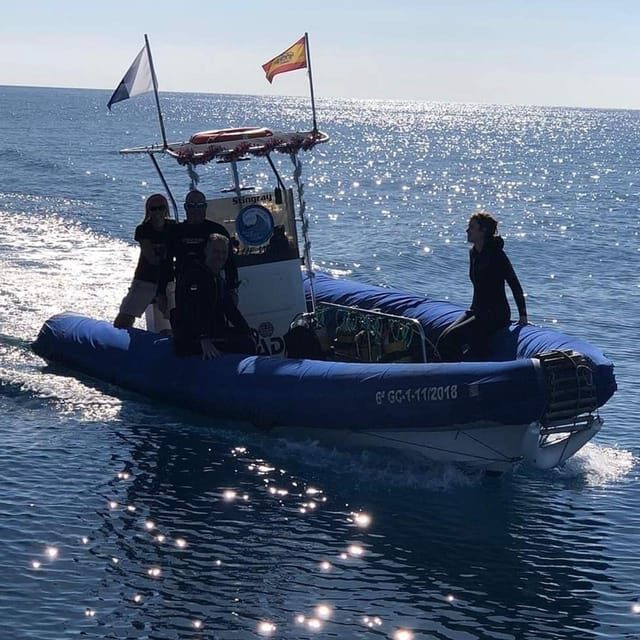
You meet at Puerto Escala harbour in Puerto Rico de Gran Canaria with Blue Water. That matters more than it sounds: a harbor setup usually means smoother logistics for getting kitted up, checking gear, and heading out without a long, slow build-up.
This is also the first moment where you can set yourself up for success. Arrive ready to move—wear your swimsuit under your clothes and expect a short process for gear fitting and brief instruction. Since there’s no hotel pickup, build your own buffer time so you don’t show up rushed.
What PADI Discover Scuba Teaches You (without the pressure)
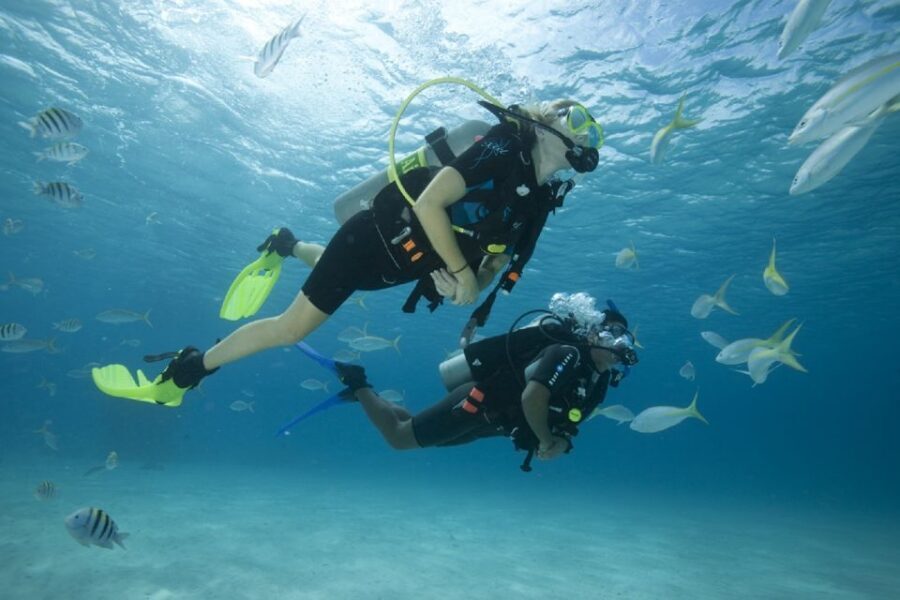
Think of PADI Discover Scuba (DSD) as a supervised, first-time underwater experience—not a certification course. You’re introduced to what scuba feels like, how the equipment works, and the safety basics that make everything smoother.
The experience is typically structured in three phases:
1) Introduction and safety briefing
You get basic scuba theory, review key hand signals, and learn safety guidelines. Your instructor also explains how the gear works so you’re not confused once you’re underwater.
2) Shallow-water practice in a confined area
This is where you get comfortable with the mechanics. You’ll practice essentials like breathing underwater, clearing a regulator and mask, and equalizing pressure. This part is the difference between feeling like you’re surviving versus feeling like you’re learning.
3) An open-water swim up to 12 meters / 40 feet
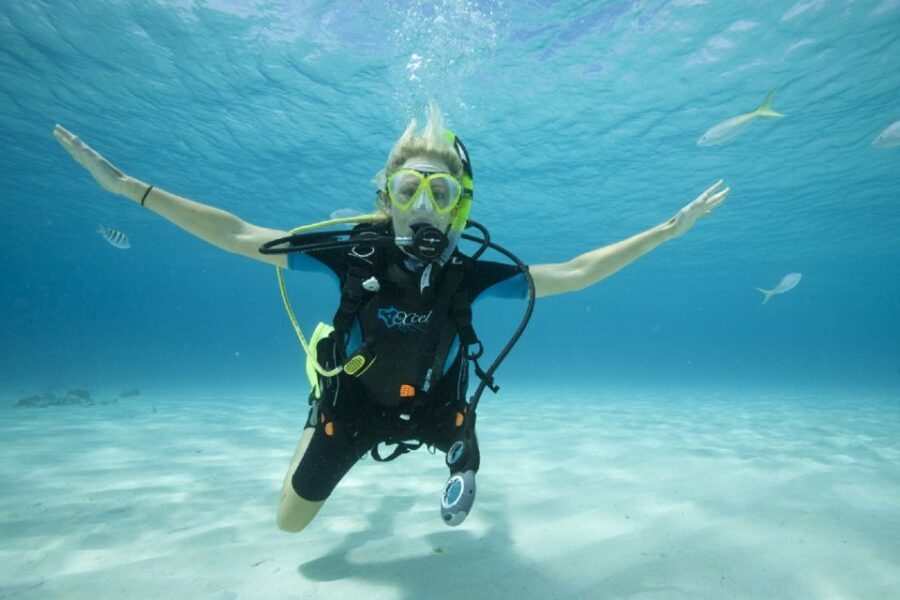
After you show you can handle the basics, you head out for the real payoff: coral and marine life, under close supervision. This is your first taste of being weightless and moving with the rhythm of the water.
A useful detail for your planning: if you love it, DSD can count toward the PADI Open Water certification path. So you’re not just doing a one-off thrill—you’re testing the waters for future training.
Other Gran Canaria tours we've reviewed in Gran Canaria

Gear, gear fitting, and the comfort factor
DSD includes full gear rental—mask, fins, wetsuit, regulator, tank, and more. For first-timers, this is huge value because buying scuba gear for one try is an expensive shortcut you can skip.
Before you hit the water, your team fits your equipment and checks fit. That’s not just logistics. A well-fitted mask reduces leaks and frustration. Proper fin fit helps you move without burning energy. And a good regulator setup makes breathing feel normal sooner.
Also note the practical requirements: you’ll need to provide height, weight, and shoe size ahead of time. That helps the shop bring the right sizing so you spend less time fiddling and more time learning.
From shallow skills to open water up to 12 meters
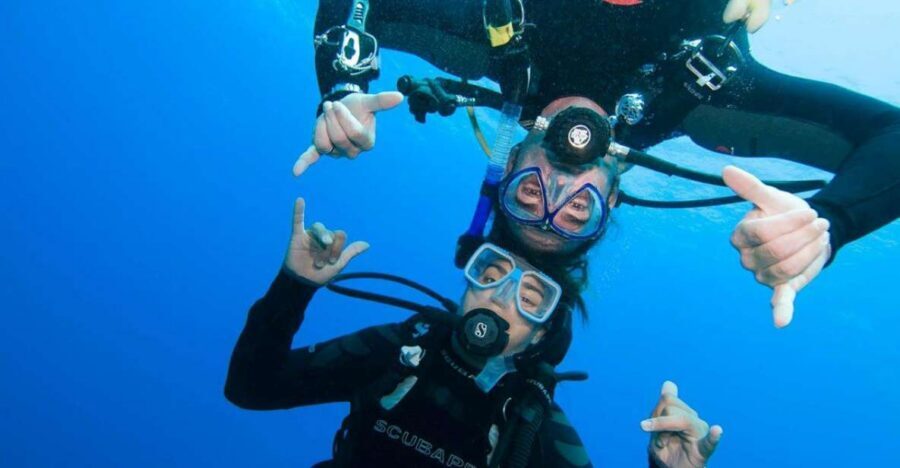
The sequence is designed to build confidence, not speed-run it.
In the confined water, the coaching usually feels almost routine—until you realize you’re breathing underwater with no drama. You’ll learn how to clear a mask and regulator (so small problems don’t become panic moments). You’ll also practice equalizing pressure, which is often the first hurdle for beginners.
In fact, one of the most repeated themes from past participants is how patient instructors stayed when someone felt a little nervous. People described help through moments like trouble equalizing or brief anxiety, with instructors guiding them until they could swim comfortably and regain control. That’s a big deal for your expectations: this course is built for learning, not for perfection.
Then comes the open-water swim to 12 meters / 40 feet. You’ll stay under close supervision the whole time. The depth is a manageable target for beginners, and it gives you enough vertical “space” to experience actual underwater life, not just a quick splash in shallow water.
What you’ll see off Gran Canaria’s coast
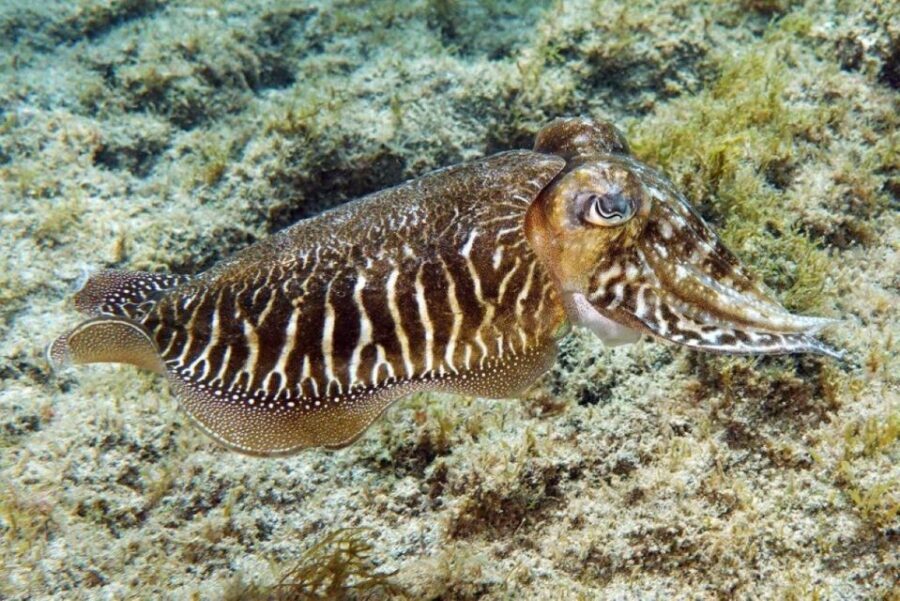
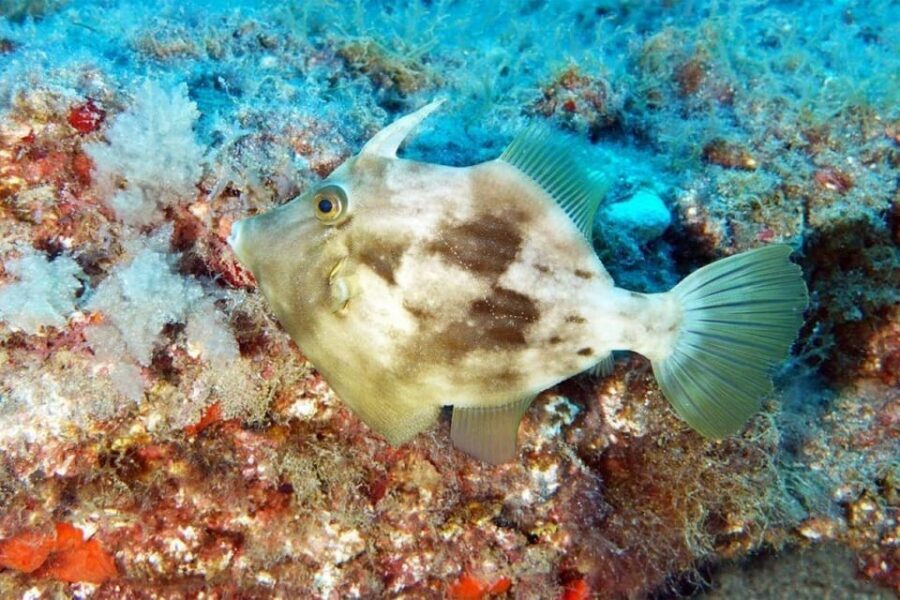
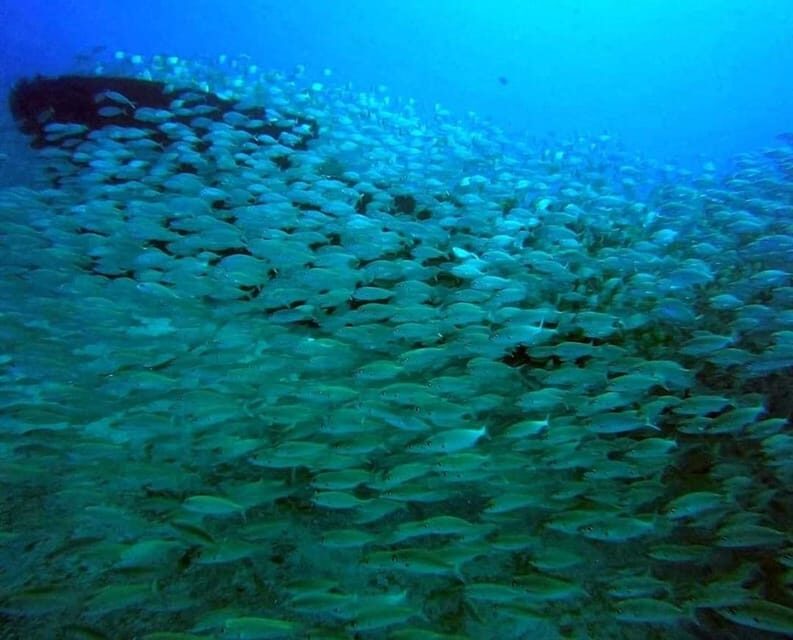
The main goal here is simple: see marine life right away. You can expect to explore coral reefs and watch fish and other sea creatures in their natural setting.
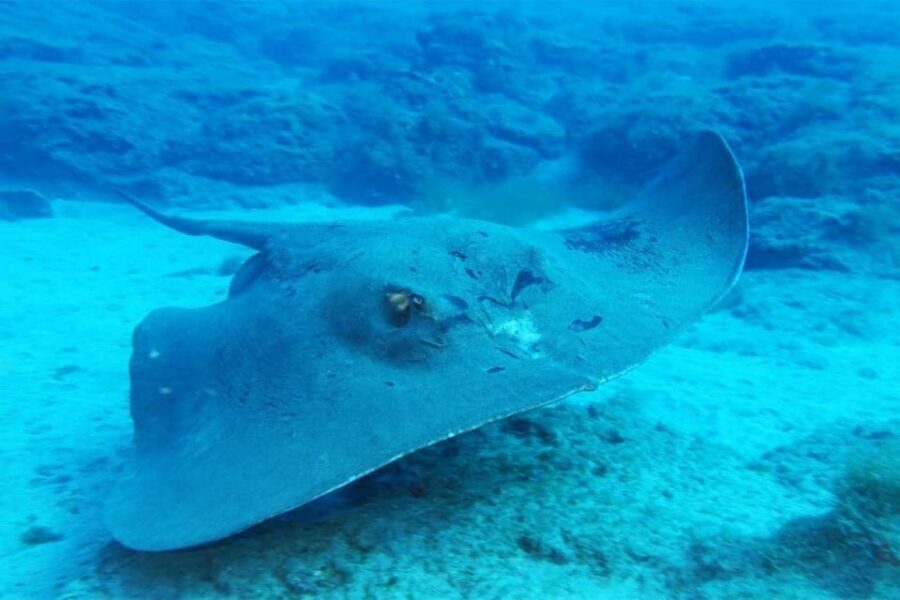
From prior groups, people specifically mentioned lots of fish and even an octopus sighting. You shouldn’t count on any one animal every time—conditions change—but Gran Canaria’s underwater world is the kind that rewards attention. Keep listening to your instructor’s cues about where to look and how to stay neutrally controlled. When you’re relaxed, you notice more.
If you want to capture the moment, remember you’re asked to bring a charged smartphone. Past experiences included people using their phones for underwater videos once they felt comfortable—so bring it, even if your final plan is just a few quick clips.
Who this is best for (and who should skip it)
This experience is made for beginners. You don’t need prior scuba experience, and it’s open to ages 10 and up. You should be reasonably comfortable in water and complete a short medical form because medical restrictions may apply.
It’s also not suitable for pregnant women. If you’re unsure about medical limitations, ask ahead of time and don’t wing it.
Fitness-wise, think “comfortable in the water” more than “athlete.” You’ll be learning breathing and control, not doing an endurance sport. If you’ve had ear-pressure issues in pools or during flights, treat that as a signal to mention it before you start.
Other scuba diving tours in Gran Canaria
Price and value: what $106 buys you in real terms
At $106 per person for a 2-hour experience, this is best understood as a package deal for first-time underwater learning.
Here’s what you’re paying for beyond the act itself:
- Instructor-led supervision from a certified PADI professional
- Full gear rental, which is a major cost saver
- Insurance included
- A structured progression from safety to skills to real open-water time
- A small group limit (up to 8), which reduces waiting around and increases feedback
What you don’t get is also part of the value math: hotel pickup and drop-off aren’t included. If you’re staying far from Puerto Escala or don’t have an easy way to get there, you’ll want to price that transport cost into your total budget.
Still, for most first-timers, this is one of the cleaner ways to try scuba in a vacation schedule: you learn the basics, you get a real underwater moment, and you’re not stuck committing to a long course right away.
Timing and how to plan your day in Puerto Rico
Because the experience is scheduled around a harbor operation, build your day around the meeting time and gear fitting flow. Plan to keep your schedule light before and after. You’ll be learning controlled breathing, and your body will feel the effects of being in the water and adjusting to equalizing pressure.
There’s one travel rule that matters: don’t fly within 18 hours after scuba. That means if you’re connecting flights the same day or the next morning, you should rethink your travel timing.
Also skip alcohol beforehand. It can work against your ability to relax and focus on the instructions—exactly what you need in your first underwater session.
Tips that actually help (nerves, equalizing, photos)
You’ll get a calm instructor, but you’ll still want to show up ready to succeed.
Bring:
- Swimwear
- Towel
- Charged smartphone
Then do these simple mindset tricks:
- If you feel anxious, tell your instructor immediately. Prior groups praised coaches for staying patient and giving step-by-step help until people felt in control again.
- Pay attention to equalizing practice. In beginner sessions, this is the common pressure point—fast equalizing and steady technique usually make everything feel easier.
- Don’t treat the phone as a requirement. Bring it because it can help you capture the moment, but prioritize comfort first. If you can film, great; if not, you’ll still see plenty.
One last tip: wear sunscreen, but keep it to what your instructor recommends for exposed skin. You’ll likely spend time in and around the water, so you don’t want to bake before you even get started.
Is it worth booking with Blue Water at Puerto Escala?
If you want a first scuba experience that feels guided and realistic, I think this is a strong choice. The combination of PADI-led supervision, small groups, and a structured plan that includes shallow skills plus an open-water swim makes it a good fit for beginners who want more than a check-the-box taster.
I’d book it if:
- You want a guided first try with clear safety routines
- You’re nervous but willing to learn step by step
- You care about small-group attention rather than a rushed crowd scene
- You want to see coral and marine life without committing to a full course
I’d reconsider if:
- You can’t easily get to Puerto Escala on your own
- You have medical limitations that might affect pressure or breathing
- You’re pregnant, since it’s not suitable
FAQ
What is PADI Discover Scuba and is it a certification course?
PADI Discover Scuba (DSD) is a supervised introduction to scuba for first-timers. It is not a certification course, but it can count toward the PADI Open Water certification if you continue.
Do I need any prior scuba experience?
No. You don’t need previous scuba experience. You’ll learn the basics during the session with instruction and supervision.
How long does the experience last?
The activity is listed as 2 hours total. The DSD structure often takes a few hours, but your booking duration is 2 hours.
How deep will the open-water part be?
The open-water swim is up to 12 meters / 40 feet, under close supervision.
What’s included in the price?
Equipment rental is included, along with instruction by certified PADI instructors and insurance.
Where do we meet for the activity?
You meet at Puerto Escala harbour in Puerto Rico, Gran Canaria with Blue Water.
Is hotel pickup and drop-off included?
No. Hotel pickup and drop-off are not included.
If you’d like, tell me where you’re staying on Gran Canaria (Las Palmas, Maspalomas, Puerto Rico area, etc.) and what time of day you’re hoping to go. I can help you think through the easiest way to time it around your day.