REVIEW · GRAN CANARIA
Gran Canaria: Morning Scuba Dive
Book on GetYourGuide →Operated by Blue Water Diving · Bookable on GetYourGuide
Gran Canaria in the morning is a great way to beat the day’s noise, and this small-group scuba trip is built around easy, guided time in the sea. I love that the plan is straightforward: meet early, get geared up, and head out on a boat to sites known for often 20–30 m visibility or more.
Two things I especially like are the variety of underwater habitats and the calm pacing with an instructor or divemaster. You’ll have a guided route that fits your certification level, plus you’re not left figuring things out on your own.
One thing to keep in mind: food and drinks aren’t included, and you’ll also need to sort dive insurance separately if you want it.
In This Review
- Key highlights you’ll care about
- Check-in at Blue Water Diving: how the morning starts
- Your underwater plan: what changes with certification
- Boat sites in Gran Canaria: reefs, walls, caves, wreck areas, and drift routes
- Why visibility (20–30m+) changes everything
- Marine life mix: Atlantic, Mediterranean, and African species
- What’s included vs. what you’ll need to handle
- Price and value: what $118 gets you
- Timing on the clock: getting the best out of a half-day
- Small group and English guiding: how it feels in practice
- Who this morning session suits best
- What to bring so you don’t waste time
- Should you book this morning scuba session with Blue Water Diving?
- FAQ
- What time does the experience start?
- How long is the Gran Canaria morning scuba experience?
- How many underwater sessions will I do?
- Is equipment hire included?
- Is food and drinks included?
- Do I need dive insurance?
- What language is the instruction?
- What should I bring, and what isn’t allowed?
Key highlights you’ll care about
- 20–30 m visibility (often): more light, clearer views, and easier navigation for most levels
- 1 or 2 guided underwater sessions: your certification and recent experience set the plan
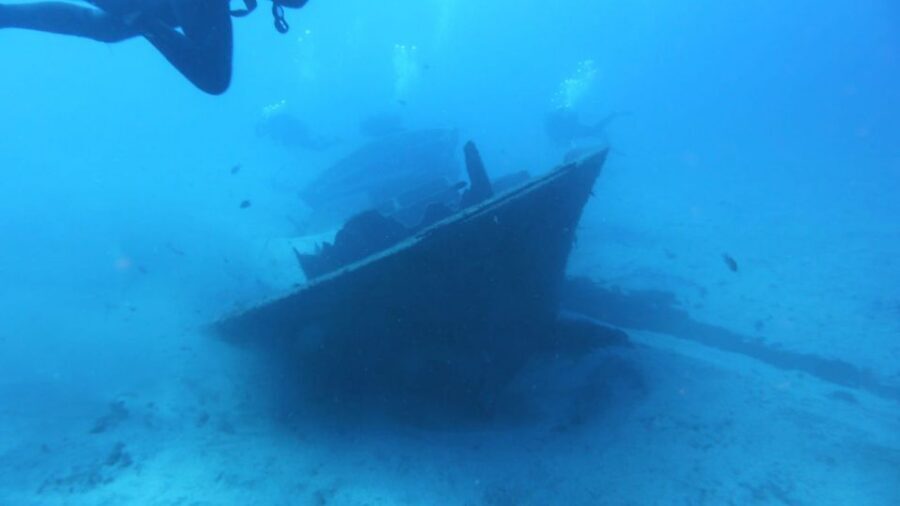
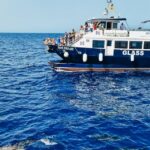
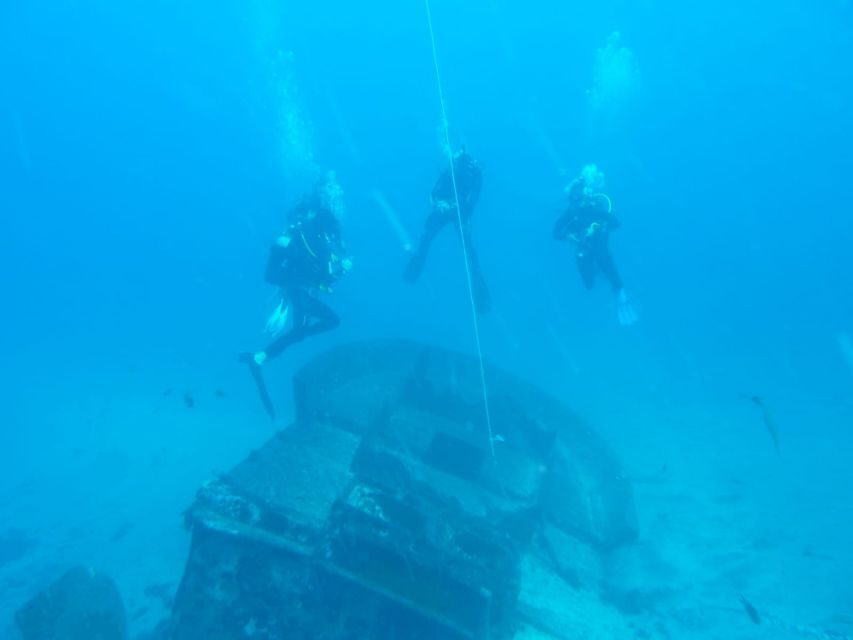
- Boat-based sites: reefs, deep walls, caves, wreck areas, and drift-style routes are on the menu
- Marine mix from multiple regions: Atlantic, Mediterranean, and African species can show up
- Small group capped at 10: you get more personal attention on the water
- Risco Verde is part of the circuit: it’s a site that has produced standout sightings like rays and octopus
Check-in at Blue Water Diving: how the morning starts
Your day begins at 8:30am at Blue Water Diving. Expect the usual “start smart” routine: paperwork first, then equipment setup. This matters more than it sounds. A smooth check-in means you’re not rushed into the first moments in the water, and you can focus on breathing, buoyancy, and enjoying what’s around you.
Because the day runs about 6 hours total, pacing is everything. You’ll have time to get ready, travel by boat to the sites, then do your planned underwater sessions and return to the center around 1:00pm. If you want the rest of the day for beach time, lunch, or a quick drive around the island, this schedule is friendly.
Also, the guide is English-speaking, which helps a lot if you’re still getting comfortable with underwater cues. Clear communication above water usually turns into less stress in the water.
Other Gran Canaria tours we've reviewed in Gran Canaria
Your underwater plan: what changes with certification
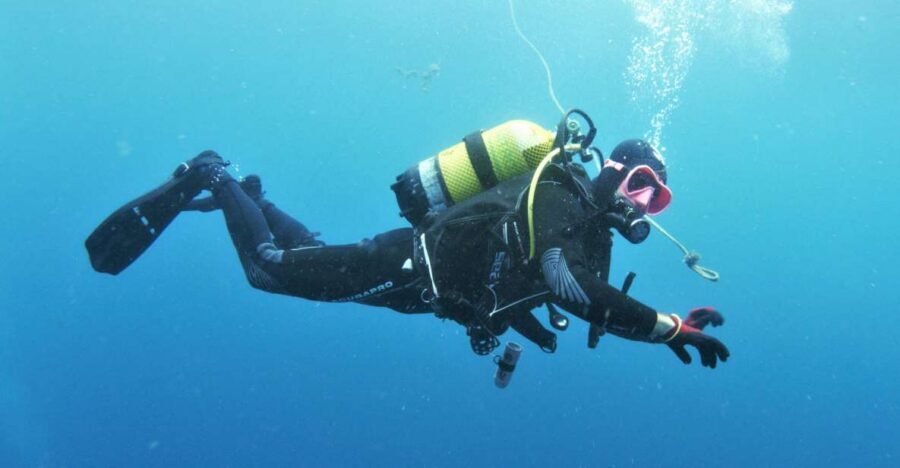
This trip is designed so you’re not stuck with a one-size-fits-all route. Depending on your level, plus when you last dived, you’ll do one or two underwater sessions. The idea is to match the experience to your control and comfort.
You’ll be guided around the sites by a divemaster or instructor. That’s a big deal. It means you’re not just “going along for the ride.” A good guide helps you choose a pace, spot the interesting life, and keep the group together so everyone gets a fair chance to look around.
If you’re working toward confidence, the structure helps: brief orientation, then the planned underwater time. If you’re advanced, you still get guided routes rather than a free-for-all, which keeps the day safe and efficient.
Practical tip: when you book, be honest about when you last went in the water. The trip adjusts based on your recent experience, and you’ll enjoy it more when the plan matches your real comfort level.
Boat sites in Gran Canaria: reefs, walls, caves, wreck areas, and drift routes
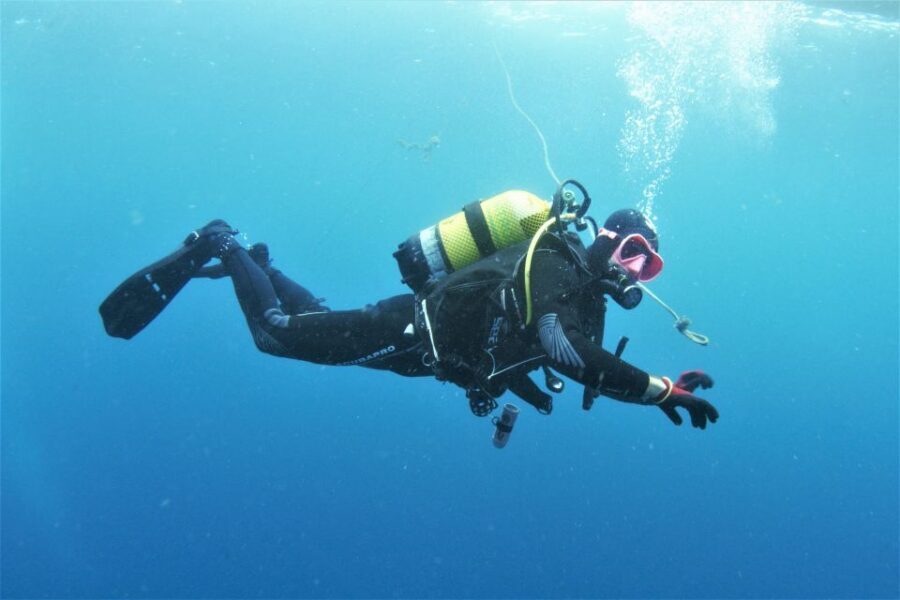
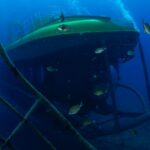
Gran Canaria isn’t just one kind of underwater scenery. This morning trip leans into variety, including shallow reefs and deeper walls, plus features like caves, wreck areas, and drift-style routes (depending on conditions and your certification).
Here’s what that variety does for you as a diver—or future diver—because each habitat encourages different kinds of watching:
- Shallow reefs tend to be great for practicing steady control and spending more time scanning for fish life. They also work well for getting used to the local feel of the water.
- Deep walls change the whole perspective. You’re more likely to notice how the seafloor shapes the way currents move and how animals use vertical space.
- Caves and wreck areas add “texture.” You’ll spend more time looking for movement along edges and overhangs rather than only scanning open water.
- Drift routes are often about enjoying the route with less finning. If you’ve done buoyancy drills before, this style can feel relaxing instead of tiring.
The key is that you’re not guessing. You follow your guide to the right kind of site for your level. That’s the smart way to keep the day fun and not exhausting.
Why visibility (20–30m+) changes everything
The highlight that keeps showing up is visibility—often 20–30 meters or more. Translation: you’re more likely to see clearly without squinting, and you can identify fish behavior instead of just catching flashes of color.
High visibility also makes navigation easier. Even on guided routes, good sight distance means you can spot landmarks, keep an eye on the guide’s movement, and take in the habitat without feeling rushed.
It’s also where those standout moments happen. When the water is clear, animals that might normally be small or quick become easier to track. That’s how sightings like larger rays or an octopus-type camo moment become “I actually saw it clearly” instead of “I think something moved.”
Marine life mix: Atlantic, Mediterranean, and African species
Gran Canaria sits in a place where you can get a mix of marine influences. This trip specifically targets a blend of Atlantic, Mediterranean, and African marine species.
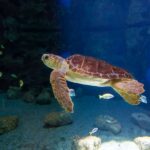
What I like about this approach is that you’re not stuck chasing one animal. You can see everything from schooling fish to larger, slower-moving residents depending on the site and time of day.
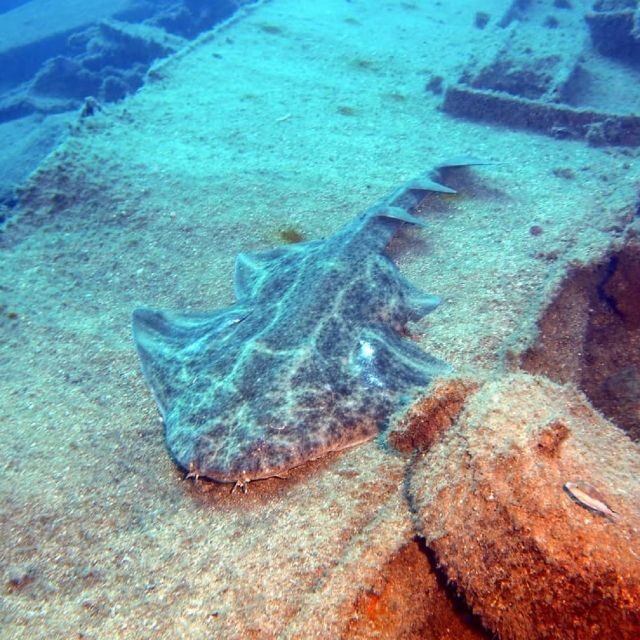
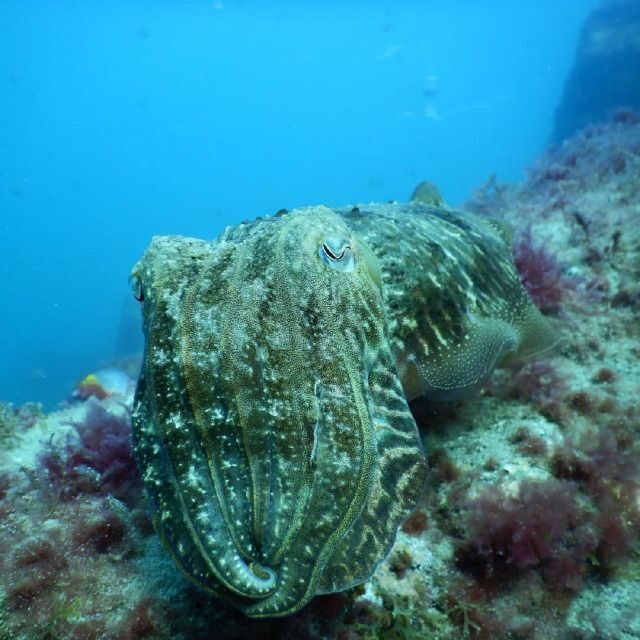
One of the best parts of the experience is the chance of “wow, that’s right there” sightings. For example, at Risco Verde, the kind of life that has shown up includes angel shark, sting ray, and octopus, along with lots of other fish. That’s the kind of variety that makes a morning trip worth it, even if you’ve done other spots before.
Reality check: marine sightings aren’t guaranteed. But a guide-led plan plus consistent visibility makes it far more likely you’ll notice the interesting stuff while you still have energy.
Other scuba diving tours in Gran Canaria
What’s included vs. what you’ll need to handle
This is one of the clearer parts of the deal.
Included:
- Equipment hire
- Two guided underwater sessions
- Guide
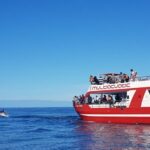
- Boat-based outings
Not included:
- Food and drinks
- Dive insurance (you’ll need to bring a copy of your policy)
If you want insurance arranged through the provider, it can be an additional €9 per day. You’ll also want to confirm your policy covers what you plan to do, especially if your insurance has depth limits or requires special coverage wording.
Price and value: what $118 gets you
At $118 per person for about 6 hours, you’re paying for a package with the big costs included: guide time, a boat outing, and equipment hire. The practical value here is that you’re not scrambling last-minute for gear or paying separate fees for everything individually.
The only additional costs that might affect your total day are insurance and your own food/drinks. If you arrive prepared (bring a certification, think through insurance, and eat before or after), the pricing feels fair for a guided, small-group morning with real underwater time.
Timing on the clock: getting the best out of a half-day
The day runs from 8:30am to about 1:00pm. That timing is useful because you get underwater time early while conditions are often better for visibility.
It also gives you a complete chunk of daylight afterward. You can eat, relax on the beach, or explore without feeling wiped out by an all-day schedule.
Keep in mind the format is built around your level and your certification. That’s why the morning stays efficient: you’re not just floating around. You follow the plan, do the sessions, and come back ready for lunch.
Small group and English guiding: how it feels in practice
This group is limited to 10 participants. That size is big enough that the day has a lively feel, but small enough that your guide can pay attention to how everyone’s doing.
You’ll be in English with the instructor or divemaster. I like this because underwater experience depends on fast corrections: breathing, buoyancy, posture, and hand signals. Clear guidance above water helps you feel steadier once you’re down.
And the pacing described in the experience is notably relaxed. The goal isn’t to rush. It’s to help you enjoy the sites—especially when visibility is good and the marine life is active.
Who this morning session suits best
This trip is a strong match if:
- You want guided boat-based underwater time with a mix of site types.
- You value visibility and want a day that’s built for seeing the seafloor and wildlife clearly.
- You’re comfortable enough to follow instructions and move as a group.
It’s not a fit for:
- Pregnant women
- People with mobility impairments
Also, plan for “no shortcut” rules: no alcohol or drugs.
If you’re between levels or returning after a while, be upfront about your last time in the water. The trip adjusts (including whether you do one or two sessions), and that’s exactly what keeps the experience enjoyable.
What to bring so you don’t waste time
You’ll want:
- Swimwear
- Towel
- Diving certification
That’s it for the essentials listed. Since equipment hire is included, you don’t need to bring your gear—just the basics that make the start smooth.
Should you book this morning scuba session with Blue Water Diving?
I’d book it if you want a half-day underwater plan that balances real structure with relaxed guidance, plus you care about seeing clearly. The big selling points are the often-strong visibility, the guided approach, the small group, and the mix of habitats on boat-based sites.
If you’re the type who hates dealing with extra add-ons, just note that food and drinks aren’t included and you’ll need to sort insurance (or pay the €9/day option). Also, only book if you meet the stated suitability rules.
For most certified divers looking for a morning that’s efficient and scenic, this is a solid pick.
FAQ
What time does the experience start?
You meet at the diving centre at 8:30am.
How long is the Gran Canaria morning scuba experience?
The duration is about 6 hours.
How many underwater sessions will I do?
Depending on your certified level and when you last went in the water, you’ll do 1 or 2 underwater sessions.
Is equipment hire included?
Yes. Equipment hire is included.
Is food and drinks included?
No. Food and drinks are not included.
Do I need dive insurance?
Yes. Dive insurance is not included. You should bring a copy of your policy. Insurance can also be provided for an additional €9 per day.
What language is the instruction?
The instructor provides guidance in English.
What should I bring, and what isn’t allowed?
Bring swimwear, a towel, and your diving certification. Alcohol and drugs are not allowed.