REVIEW · GRAN CANARIA
Gran Canaria historical house with mango plantation
Book on GetYourGuide →Operated by Juan Maria Marrero Ortega · Bookable on GetYourGuide
A 200-year-old house plus vermouth.
This small-group tour in Gran Canaria’s Mogán area mixes architecture, fruit-farm sights, and tastings in a way that stays relaxed and real. You’ll explore a restored Canarian farmhouse complex (about 200 years old), wander through cactus paths, then learn how mangoes and other local crops show up in Canarian food.
I love the cactus garden trails—they’re scenic, and the guide points out what you’re actually looking at, not just walking for walking’s sake. I also like the food part: the Gazpachuelo de mango dessert and a red-and-white vermouth tasting feel specific to the place, not generic “tour calories.”
One consideration: this is not a stroll for everyone. It’s not suitable on the way down to the mango plantation for certain mobility needs (and it’s also listed as not suitable for people with heart problems or high blood pressure).
In This Review
- Key highlights
- Where you start in Los Pasitos (and how to find the group)
- Entering a restored 200-year-old Canarian farmhouse complex
- The cactus garden walk: practical plant spotting on the trails
- Mango and other fruit crops: what you’ll see, and how you’ll understand them
- Vermouth production at the farm: where Lolito comes from
- Lolito tasting plus Gazpachuelo de mango (the part you’ll remember)
- The pacing that works: a 2-hour plan with real breathing room
- Price and value: what you get for about $63
- Who should book this Mogán farmhouse, mango, and vermouth tour
- Should you book? My straight answer
- FAQ
- How long is the tour?
- Where is the meeting point?
- What is included in the price?
- Is lunch or dinner included?
- What language options are available?
- How large is the group?
- Is this tour wheelchair accessible?
- Is the tour suitable for people with heart problems or high blood pressure?
- Does the tasting include both white and red vermouth?
Key highlights
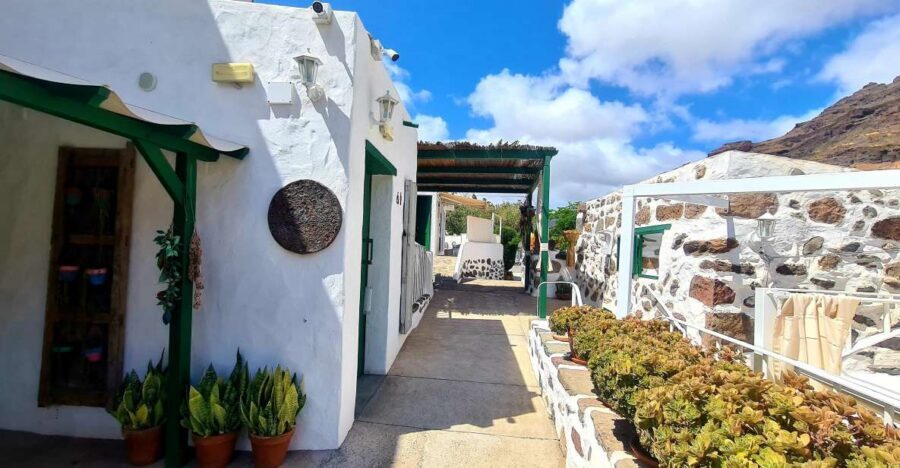
- 200-year-old restored Canarian architecture in a cluster of small buildings
- Cactus garden paths with lots of plant variety and tunera context
- Mango plantation walking with lessons on how fruit grows and gets used
- Lolito vermouth tasting featuring both red and white
- Gazpachuelo de mango: cold mango and yogurt soup with chocolate cubes
- Guides like Tatiana or Katarina who keep the tone friendly and the info clear
Where you start in Los Pasitos (and how to find the group)
You’ll meet at the parking of the Valle de Mogán restaurant, and your guide will be wearing a black jacket. Expect this to be a self-arranged start, since hotel pickup and drop-off aren’t included.
This meeting choice matters. Because you’re starting right in the Mogán area, the tour doesn’t burn time driving you around Gran Canaria’s map. It’s designed to get you into the old farmhouse complex and then down toward the farm experience.
Other Gran Canaria tours we've reviewed in Gran Canaria


Entering a restored 200-year-old Canarian farmhouse complex
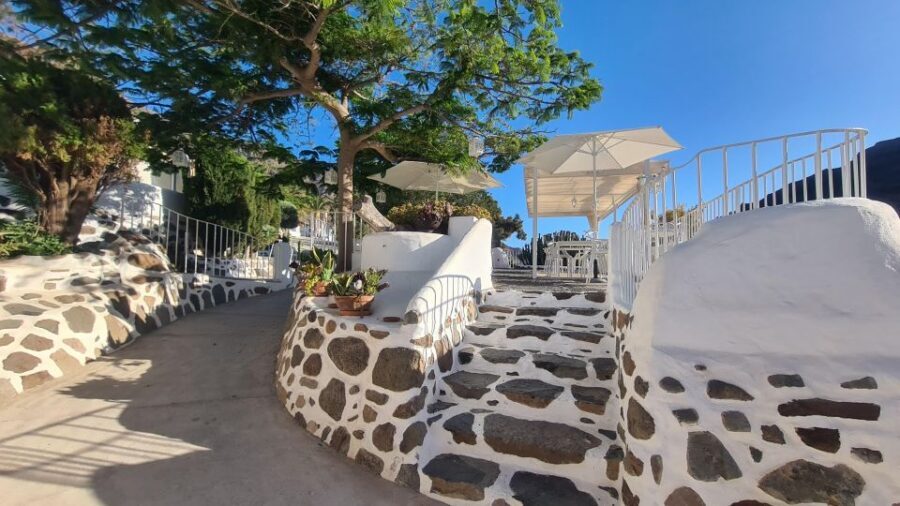
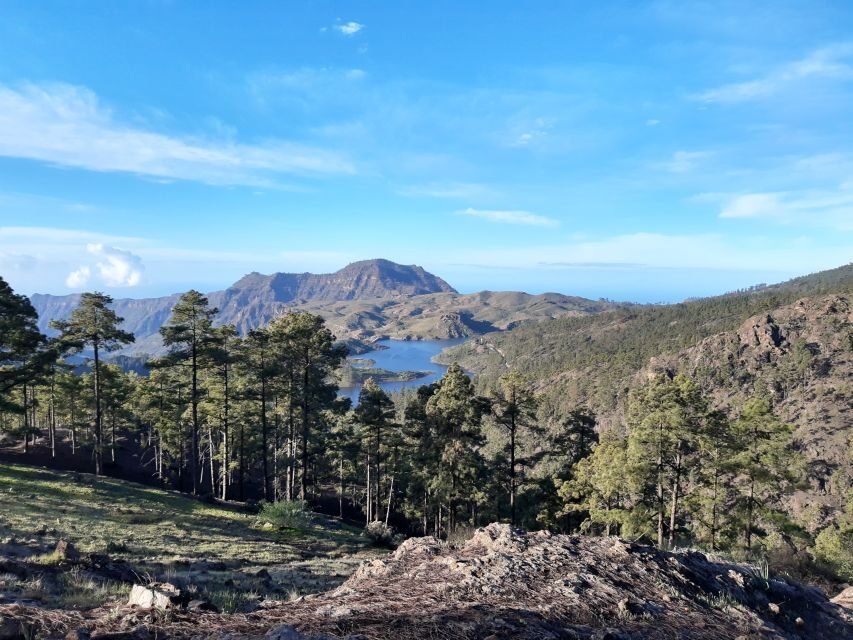
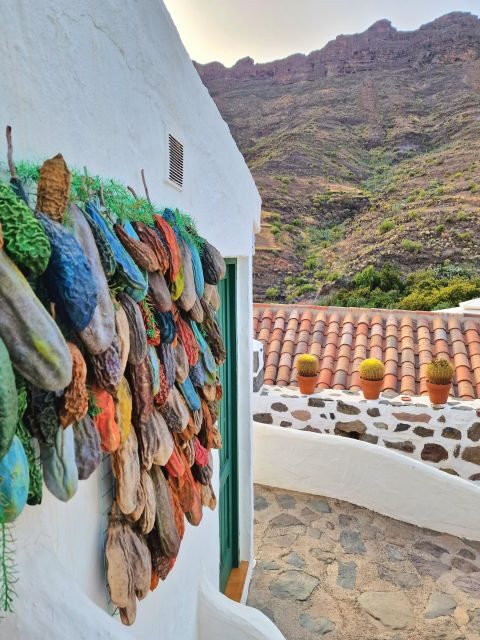
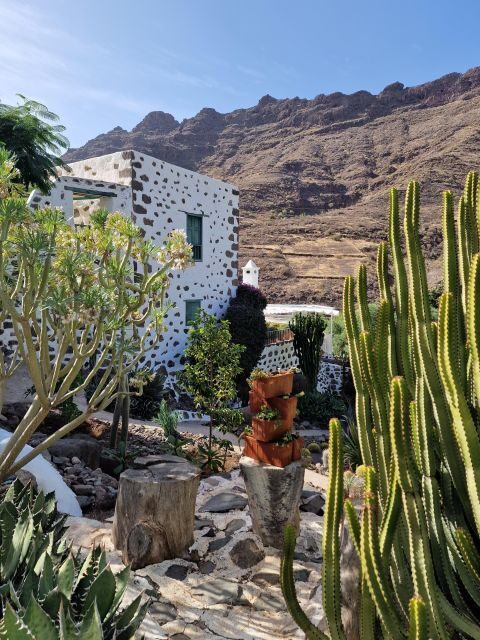
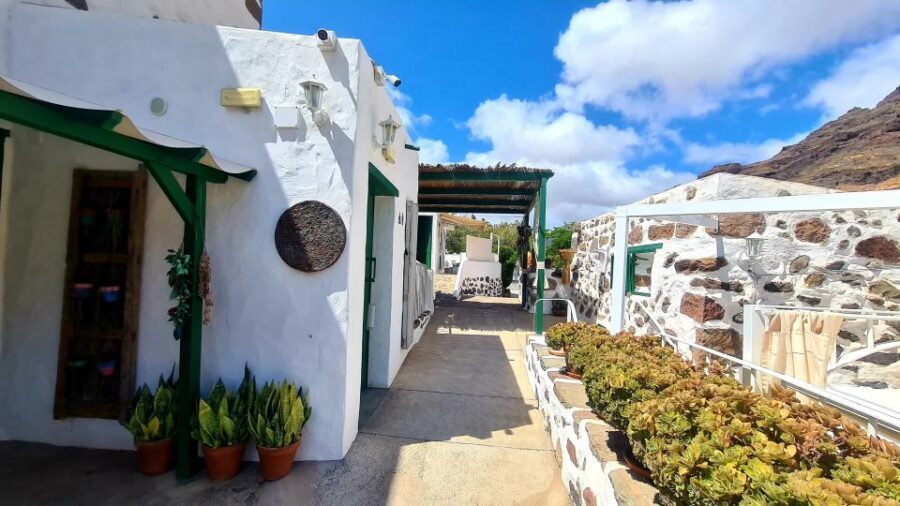
The heart of the tour is a Canarian house complex made up of smaller buildings, faithfully restored in the style of popular local Canarian architecture. The setting is surrounded by nature and native vegetation, and it comes with strong views over the Mogán valley.
I like how the guide frames it. It’s not just “this is old.” You get a sense of how these spaces would have worked as part of everyday rural life, and why the restoration keeps the original feel instead of turning everything into a museum set.
Plan on spending most of your time here. The guided portion is long enough to actually see details, take photos during breaks, and not feel like you’re being herded from room to room.
The cactus garden walk: practical plant spotting on the trails
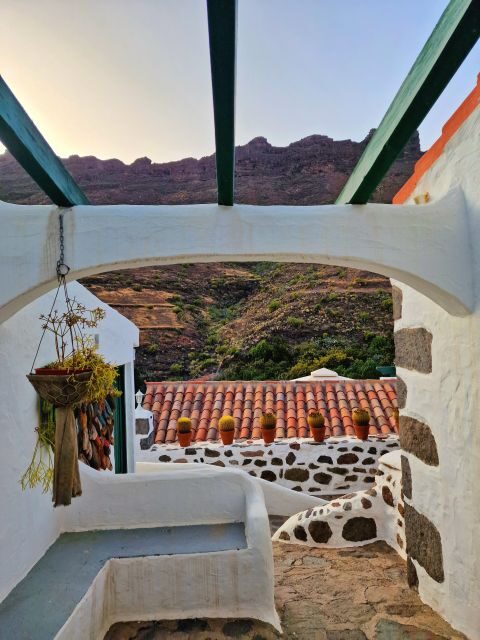
Right after the farmhouse area, you’ll move through a cactus garden. The tour is built around picturesque trails, and you’ll see a big variety of plants rather than one or two tourist-friendly specimens.
Here’s what makes this stop genuinely useful: you learn how cactus (known as tunera) fits into Canarian life and cuisine. That matters because you’re not only “looking at cacti.” You’re connecting the plant to how it’s used, which also helps you understand what comes next with fruit crops.
Wear shoes you trust. Even though this is only a 2-hour experience overall, the paths can still be uneven, and the tour includes scenic stops plus walking time.
Mango and other fruit crops: what you’ll see, and how you’ll understand them
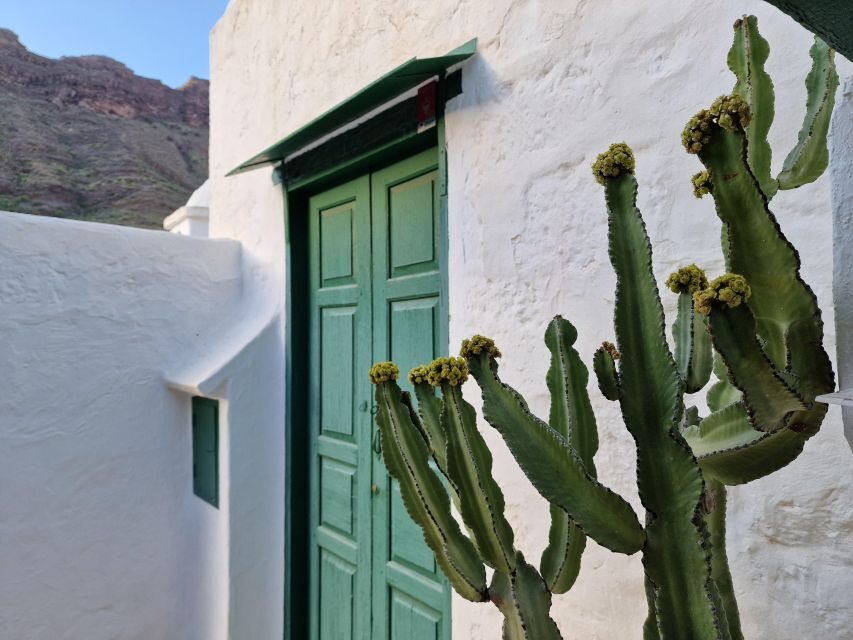
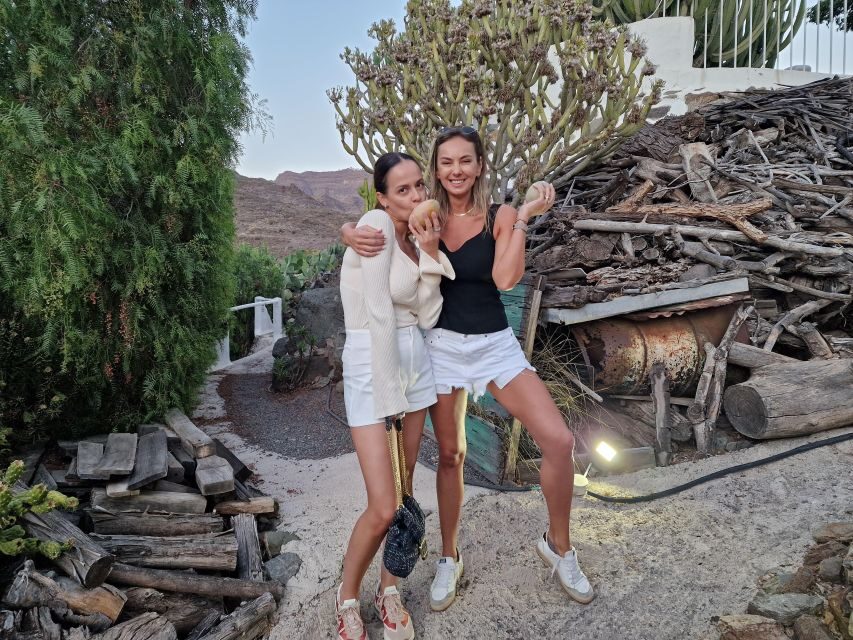
Next comes the farm portion: you’ll see how mangoes, avocados, and soursops grow, and you’ll hear how these fruits are used in Canarian cuisine. The tour doesn’t treat fruit as a “pretty backdrop.” It treats it as part of the food story.
You’ll also learn how cactus fits alongside those crops. That combination is smart, because it shows how this region uses what the land gives it, not just what grows easily everywhere.
Do keep the physical aspect in mind. The tour is not suitable for baby carriages and disabled people on the way down to the mango plantation, and the experience is also listed as not for people with heart problems or high blood pressure. If you’re unsure, you’ll want to ask your provider about how much downhill walking is involved on your date.
Vermouth production at the farm: where Lolito comes from
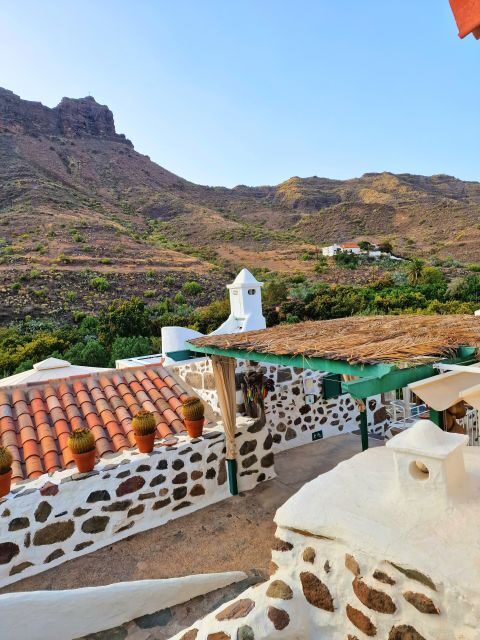
After the fruit and cactus segments, the tour shifts to the vermouth side. You’ll visit the farm where they make the first vermouth in Gran Canaria, and you’ll get to see how the operation works in context, not just as a tasting counter.
The key detail here is that it’s a vermouth factory experience inside this rural setting. Instead of a generic winery tour, you’re tasting a product tied to the same environment that grows the fruit.
This stop is shorter than the farmhouse walk, but it’s packed. Expect a focused visit plus tastings that connect back to what you learned earlier about ingredients and local food habits.
Other historical tours in Gran Canaria

Lolito tasting plus Gazpachuelo de mango (the part you’ll remember)
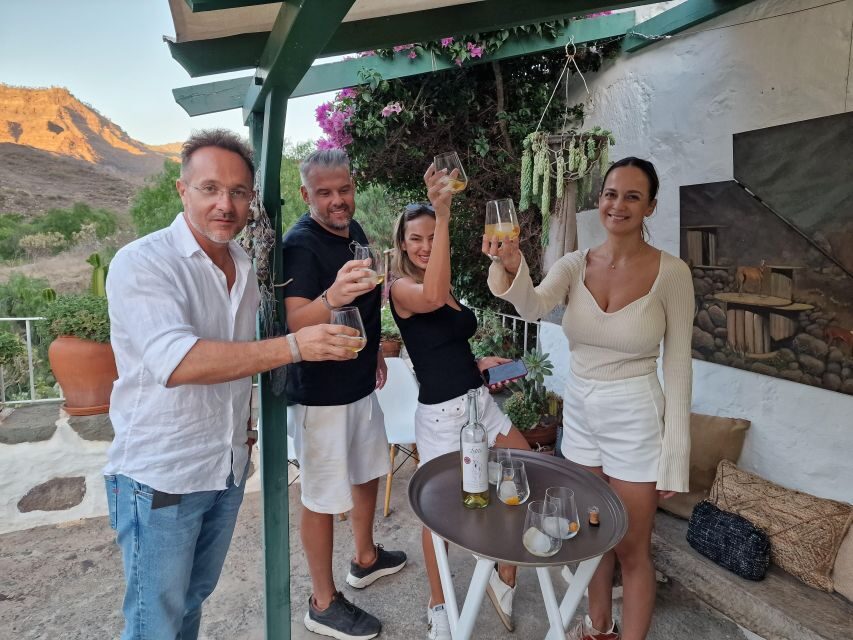
This is the payoff. You’ll taste Lolito vermouth in two styles: white and red. The tour includes a dessert that people tend to talk about: Gazpachuelo de mango, described as a cold mango and yogurt soup with chocolate cubes.
What I like about this tasting setup is the contrast. Vermouth isn’t only about sipping. Pairing it with a dessert that mixes mango, yogurt, and chocolate creates a contrast you wouldn’t guess from the ingredients list alone.
It also helps to have your palate flexible. If you’re the type who thinks vermouth must be bitter and traditional, this dessert changes the script fast. And if you prefer sweeter profiles, the mango-yogurt base gives you a friendly entry point.
If you opt for the upgrade, there’s an optional lunch or dinner at the restaurant Valle de Mogán. That’s not included by default, but it can be a good way to turn a 2-hour tour into a longer meal day without going searching for a restaurant afterward.
The pacing that works: a 2-hour plan with real breathing room
The tour runs about 2 hours, with time broken into an initial Mogán farmhouse visit (about 75 minutes) and a vermouth/factory tasting stop (about 30 minutes). You also get a break time and a photo stop along the way.
This timing is practical. Two hours is short enough that you’re unlikely to feel dragged, but long enough to experience three different “moods” of the place: historic house, garden and farm learning, then tastings.
It helps that the tour includes scenic viewpoints and wildlife viewing. You’re meant to slow down, look around, and notice what’s living in the area, not just keep your eyes on your guide’s shoulder.
Price and value: what you get for about $63
At about $63 per person, the big value is what’s actually included. You’re not just paying for entry to a house or a quick photo. The standard package includes:
- A private guide
- Water
- A toilet/baño/servicio
- The Gazpachuelo de mango dessert
- Lolito vermouth tasting (red and white)
That “included tastings + dessert” piece matters because you’d otherwise pay for food and drinks separately somewhere else. Also, small group size (limited to 10 participants) helps keep the tour conversational, especially for the history and food explanations.
The only “watch-outs” on value are the extras. Lunch or dinner at Valle de Mogán is optional, not included. And there’s no hotel pickup, so you’ll need to handle your own getting to the start point.
Who should book this Mogán farmhouse, mango, and vermouth tour
This tour is a great fit if you like food-and-place experiences that connect the dots. If you enjoy:
- Historic rural architecture
- Learning how plants connect to local cooking
- Tastings that feel tied to ingredients and region
…you’ll probably enjoy the way this one is built.
It’s also good for people who want a small-group atmosphere. The tour is capped at 10 participants, and the guide experience seems to matter a lot. In particular, guides such as Tatiana and Katarina have a reputation for being warm and welcoming, while still staying informative and grounded.
If you’re sensitive to walking or uneven paths, take the limitations seriously. It’s listed as not suitable on the way down to the mango plantation for certain accessibility needs, and it’s also flagged for people with heart problems or high blood pressure.
Language-wise, you’re covered with English, Spanish, and Russian.
Should you book? My straight answer
Book it if you want a 2-hour Gran Canaria experience that mixes a restored historic house, a hands-on farm walk, and tastings that are genuinely part of the place (Lolito vermouth plus Gazpachuelo de mango). The price feels fair because it includes the guide and the main food/drink moments.
Skip it if you can’t do any downhill walking, or if your health situation makes you cautious with activity. Also, if you mainly want a long, free-form wander with no structured tastings or explanations, this format may feel a little too planned.
FAQ
How long is the tour?
The tour lasts about 2 hours.
Where is the meeting point?
Meet at the parking of the Valle de Mogán restaurant. Your guide will wear a black jacket.
What is included in the price?
It includes a private guide, water, toilet access, the Gazpachuelo de mango dessert, and Lolito vermouth tasting (red and white).
Is lunch or dinner included?
No. Lunch or dinner at the Valle de Mogán restaurant is optional.
What language options are available?
The live guide is available in English, Spanish, and Russian.
How large is the group?
The group is small, limited to 10 participants.
Is this tour wheelchair accessible?
It is listed as wheelchair accessible, but it also says it is not suitable for disabled people on the way down to the mango plantation. If that part could be an issue for you, ask before booking.
Is the tour suitable for people with heart problems or high blood pressure?
No. The activity is not suitable for people with heart problems or high blood pressure.
Does the tasting include both white and red vermouth?
Yes. You’ll taste Lolito vermouth in both white and red versions.