REVIEW · GRAN CANARIA
Full-Day Tour Exploring History, Nature and Aloe Vera Farm
Book on Viator →Operated by VIMOTIONS · Bookable on Viator
If you want a fast snapshot of Gran Canaria, this route is a strong pick. I like how the day links historic towns with volcanic nature stops so the scenery keeps changing, not just the photos. I also like that a local guide stays with you the whole time, so the stops feel connected instead of random pull-offs.
One thing to plan around: it’s a packed schedule. Most stops are short, and the final aloe vera stop can feel more sales-focused than pure sightseeing, depending on what you expect from it.
In This Review
- Key Takeaways Before You Go
- A Loop Through the North and Mountains Without Driving
- Price and Value: What You’re Really Paying For at $59.61
- How the Day Runs: Pickup Window, Coach Time, and Stop Length Reality
- Agüimes and Guayadeque: Cave Dwellings and an Ancient Settlement Mood
- Casco Histórico de Agüimes
- Guayadeque Valley
- Arucas and Teror: Rum, Buns, and the Basilica That Anchors the Town
- Arucas (rum and bananas)
- Teror and the Basilica of Nuestra Sra del Pino
- Valleseco: A Protected Natural Area Break With Time to Breathe
- Roque Nublo: The Volcanic Rock With a Human Past
- Fataga and the Aloe Vera Farm: Educational, But Know the Sales Side
- Transport, Comfort, and Timing Tips That Actually Help
- Who This Tour Fits Best
- Should You Book This Full-Day History and Nature Tour?
- FAQ
- Is lunch included in the tour?
- What’s included in the ticket price?
- How long is the tour and what time does it start?
- Do I get hotel pickup?
- How many people are on the tour?
- What are the main stops on the itinerary?
Key Takeaways Before You Go
- Guayadeque Valley cave culture: a protected natural monument with cave dwellings tied to early Canarian life.
- Roque Nublo: an impressive volcanic rock tied to worship traditions and later protected status.
- Pickup from southern hotels: convenient start window, but you’ll spend a lot of the day on the vehicle.
- Valleseco time to stretch: a longer town break with walking time and lunch available nearby.
- Aloe vera farm visit: a chance to learn and shop, but don’t expect zero retail energy.
A Loop Through the North and Mountains Without Driving
This tour is built for people who don’t want to rent a car or stress over mountain roads. You get a guided circuit that mixes inland villages, sacred rock scenery, and a nature-and-culture valley stop that’s the kind of place you can’t really replicate by accident.
Gran Canaria has a tricky habit: one hour you’re in palm country vibes, and the next hour you’re in cooler, higher mountain air. This itinerary does that for you in a single day, so by evening you’ve got a mental map of how the island works—coasts aside.
Other historical tours in Gran Canaria
Price and Value: What You’re Really Paying For at $59.61
At $59.61 per person, the value comes from logistics and guidance, not from a single “must-see” ticket. You’re paying for:
- a local guide for most of the day
- transfer service from the south (where pickup is offered)
- entry into the aloe vera farm visit segment
- insurance for peace of mind
What you’re not paying for is lunch. And that matters on a day this long. The good news: lunch isn’t a mystery cost. In practice, it’s usually offered as a set menu at the lunch stop, and many people budget about €12–€13 for a multi-course meal with a drink. If you’d rather control your food choices, you can bring a simple sandwich and treat lunch like a break, not a commitment.
Bottom line: if you want a guided overview with minimal driving, the price fits. If you want long stays in places, or you dislike shopping stops, you’ll want to manage expectations.
How the Day Runs: Pickup Window, Coach Time, and Stop Length Reality
The tour runs about 7 hours, starting around 9:00 am. Pickup happens roughly between 09:00 and 10:30, depending on where your hotel is in southern Gran Canaria. That means you’ll want to plan for an early wake-up if you’re anywhere near the back edge of the pickup window.
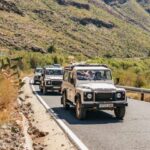
Also, don’t assume this is a small minibus tour. Some departures use a coach, which can limit how much you lean out for views from your seat. You still get the mountains and overlooks, but the experience becomes more “sit back and watch” than “quick photo from every turn.”
Stop timing is another reality check. This is not a slow-travel day. You’ll see a lot of places, but you won’t spend all day in any single one. One longer stretch is Valleseco (about 2 hours), and the rest is mostly around an hour or less.
If you’re the type who likes to wander without a clock, bring a photo plan: capture highlights first, then use any extra minutes for side streets and viewpoints.
Agüimes and Guayadeque: Cave Dwellings and an Ancient Settlement Mood
The day’s first stop mixes old town vibes with a valley that feels prehistoric—even though you’re in modern Gran Canaria.
Casco Histórico de Agüimes
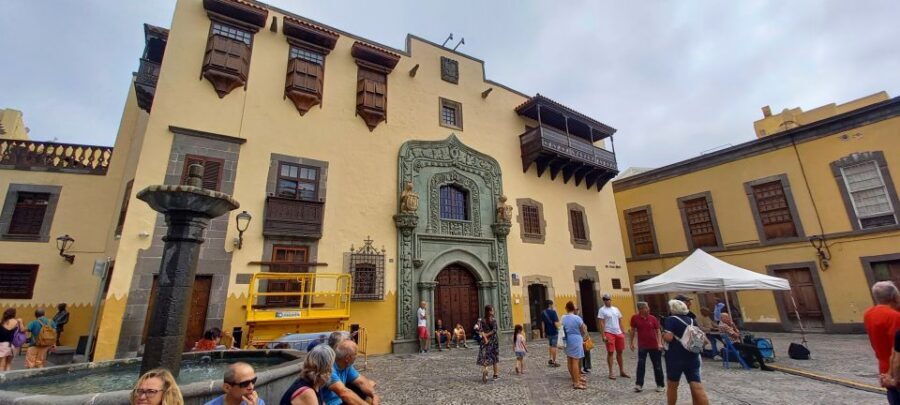
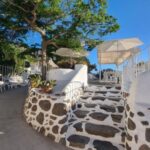
Agüimes’ historic quarter is described as an ancient aboriginal settlement, so you’re not just passing through a pretty town. Expect narrow streets and an “older bones” feeling where history is part of the scenery, not a museum label.
You’ll have about 1 hour here, which is enough for a quick orientation walk, a few photos, and a sense of the town’s character—but not enough to do a deep architectural scavenger hunt.
A few more Gran Canaria tours and experiences worth a look

Guayadeque Valley
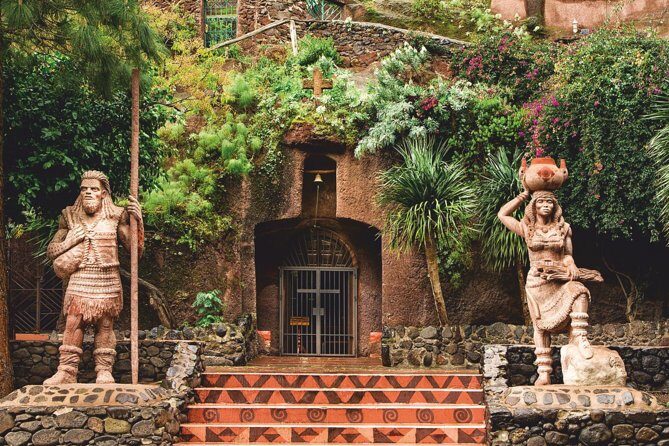
Then you move to Guayadeque Valley, declared a Natural Monument in 2000. This valley is known for its caves and cave dwellings, associated with early pre-Hispanic inhabitants—and notably, some cave homes are still in use.
This part is the one I’d call the tour’s “why it’s worth it” moment. Even when stops feel short, Guayadeque gives you a real sense of place: volcanic geology turned into human shelter. It’s the kind of stop where a guide’s commentary makes a bigger difference than you might think.
Practical tip: wear shoes with solid grip. You’re likely moving around on uneven ground or in areas where it’s easy to slip if you’re rushing for photos.
Arucas and Teror: Rum, Buns, and the Basilica That Anchors the Town
After the valley, the tour shifts to towns that show you a different side of island identity.
Arucas (rum and bananas)
Arucas is famous for local rum and banana cultivation. You’ll have about 1 hour, so treat it as a tasting-and-stroll window rather than a full town tour.
If you love food-and-agriculture history, this stop gives you context for how the island earns its living. If you don’t, it still breaks up the day nicely before the larger nature sights.
Teror and the Basilica of Nuestra Sra del Pino
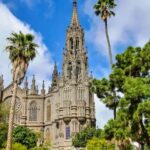
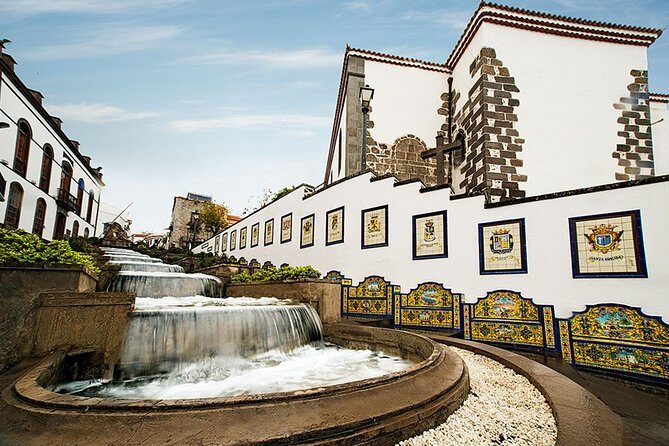
Teror is all about atmosphere and symbolism. You’ll visit Villa de Teror and the Basilica of Nuestra Sra, Del Pino, the patron saint of the Canary Islands deanery.
This is also where the architecture mood turns Canarian: stately homes and palaces in a style that feels local rather than imported. With about 1 hour, you can see the center, soak in the town feel, and grab a few photos of the streetscape.
One consideration: Teror is more about “what you see” than “what you do.” If you need action-packed stops, this one may feel short. If you like culture snapshots, it’s a good match.
Valleseco: A Protected Natural Area Break With Time to Breathe
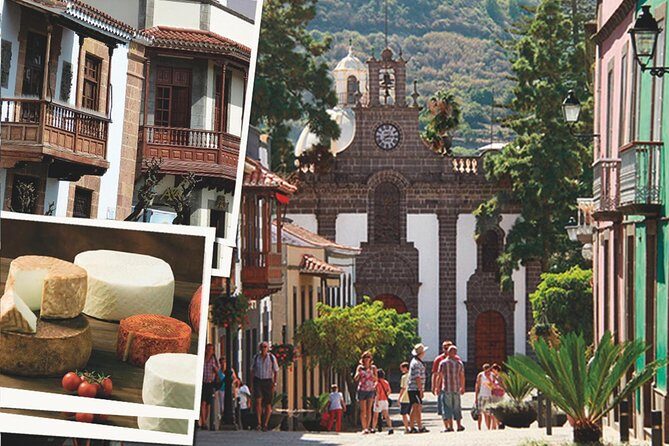
Valleseco is a standout because it’s one of the few stops with real breathing room at about 2 hours.
This area is characterized by overflowing vegetation, and about 80% of its territory is considered a Protected Natural Area. So even if you’re not hiking for hours, you’re in a place where greenery is the main character.
You get free time to walk the streets, and lunch is available but not included in the tour price. This is where you can slow down a bit. I’d use this block for:
- a short walk loop
- a sit-down break
- browsing for something small if you enjoy local snacks
Also, since the stop is longer than others, it helps balance the “bus-and-brief” feeling that can happen on packed days.
Roque Nublo: The Volcanic Rock With a Human Past
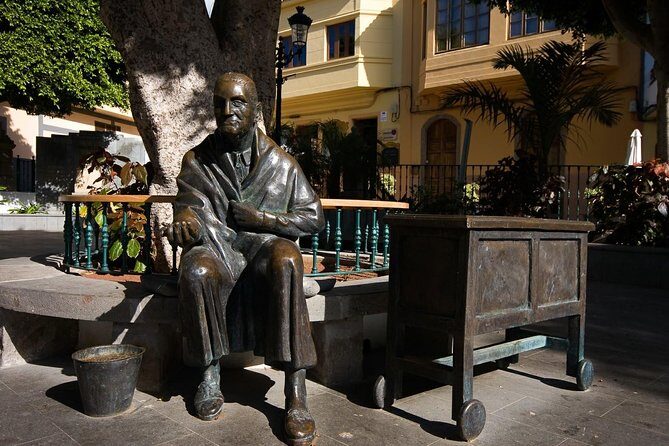
This is the nature stop where the view earns your attention.
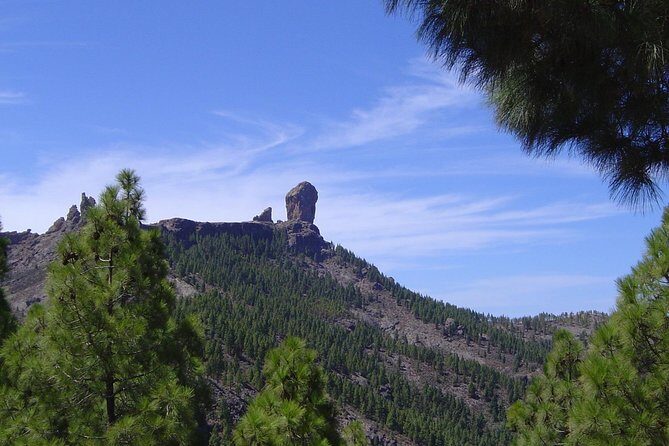
You’ll stop at Roque Nublo, described as one of the largest natural crags in the world, rising about 80 meters above its base. This isn’t just a dramatic rock. It’s of special significance for islanders and was an ancient place of worship for the aborigines.
The area around it became a protected natural area in 1987, and later a rural park seven years after that. Those details matter because they explain why the rock has long been protected—not just for photography, but for cultural and environmental reasons.
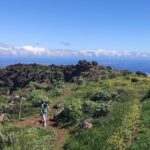
With about 1 hour, you can usually handle the basics: viewpoints, a few photos, and a walk in the immediate area. It’s not a multi-hour hike, so don’t expect serious elevation work. Still, the scale is impressive even from standard vantage points.
Tip: bring a layer. Mountain air and wind can make a “quick stop” feel cooler than expected.
Fataga and the Aloe Vera Farm: Educational, But Know the Sales Side
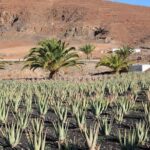
The final stop is the aloe vera farm visit in the Fataga area, known historically as the Valley of the Thousand Palm Trees. The itinerary notes there won’t be a stop specifically in Fataga village, so the focus here is the farm itself.
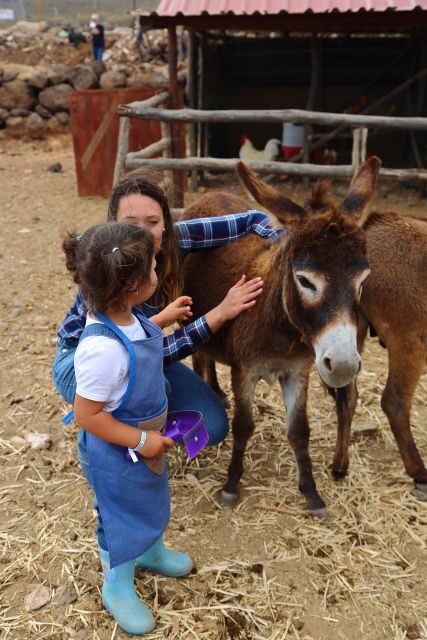
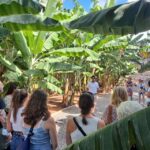
You’ll learn about aloe vera—its uses and properties—during the 1-hour farm segment. This can be genuinely interesting if you’re curious about how the plant fits into Canarian agriculture and commercialization.
Now for the consideration: some people end the day feeling like the aloe stop turns into a store drop-off disguised as sightseeing. That doesn’t mean the farm visit is fake, but it does mean you should go in with eyes open.
My advice:
- Treat the farm portion as both education + product time.
- If learning is your priority, ask questions early and pay attention to what’s actually happening on-site.
- If shopping annoys you, set a rule for yourself before you arrive (like: only browse, no impulse buys).
This stop can be a big “make or break” for satisfaction because it’s at the end of a long day. If you’re already tired, the retail feel can feel louder than it would earlier.
Transport, Comfort, and Timing Tips That Actually Help
This tour is scenic, but it’s also long and movement-heavy. A few practical moves can make it feel smoother:
1) Wear footwear you trust.
You’re walking in historic streets and natural areas with uneven surfaces.
2) Plan your food strategy.
Lunch isn’t included. If you’re okay with the set menu at the lunch stop, budget roughly €12–€13. If not, bring a sandwich and treat lunch like a flexible break.
3) Bring sun protection and a light layer.
You can move between warmer and cooler zones in a single day.
4) Don’t overpack your expectations for time in each place.
This is an overview tour. You’ll see a lot, but not “live in” each stop.
5) Expect mixed group energy and language flow.
One of the things that can lift the day is the guide’s commentary. Names that show up for strong guidance include Tom, Simone, Miguel, Maribel, and Angel, and multiple languages are often part of the experience. Even so, packed timing sometimes means less detailed translation toward the end.
Who This Tour Fits Best
This is a good match if:
- you want a guided overview without driving
- you’re visiting Gran Canaria for the first time
- you like mixing historic towns with big nature stops in one day
- you enjoy the idea of learning about aloe vera, even if there’s also shopping
It may be less ideal if:
- you hate retail stops, especially at the end of the day
- you want long time in each town
- you prefer a slower itinerary where you can wander without a schedule
Should You Book This Full-Day History and Nature Tour?
I’d book it if you want a practical way to understand northern and mountain Gran Canaria quickly. The Guayadeque Valley caves and Roque Nublo are the strongest “wow with meaning” moments, and the rest of the day supports those with town texture in Agüimes, Arucas, and Teror.
But if aloe vera shopping would ruin your mood, or if you’re the type who needs lots of time per stop, you might be happier choosing a more focused tour with fewer stops.
If you do book, go in like a strategist: wear comfortable shoes, budget for lunch or bring a simple backup, and keep your expectations aligned with a day that’s designed to show you a lot—fast.
FAQ
Is lunch included in the tour?
No. Lunch is not included. You’ll have free time in Valleseco and lunch is available there, but you’ll need to pay separately. Some departures also offer a set lunch option at an additional cost.
What’s included in the ticket price?
The tour includes a guide, transfers, the aloe vera farm visit, and insurance. Pickup and drop-off in southern Gran Canaria are included.
How long is the tour and what time does it start?
The tour runs for about 7 hours and starts at 9:00 am. Pickup timing varies by hotel location, roughly between 09:00 and 10:30.
Do I get hotel pickup?
Yes, but only from hotels in the south of Gran Canaria. You can be picked up at your hotel or at the nearest pickup point to your hotel.
How many people are on the tour?
The tour has a maximum of 40 travelers.
What are the main stops on the itinerary?
The day includes: Casco Histórico de Agüimes and Guayadeque, Arucas, Teror, Valleseco, Roque Nublo, and an aloe vera farm stop in the Fataga area.