REVIEW · GRAN CANARIA
Gran Canaria: Grand Island Tour by Bus with Transfers
Book on GetYourGuide →Operated by First Minute Travel · Bookable on GetYourGuide
This bus trip stitches together Gran Canaria’s contrasts. You get a guided island perimeter route in one day, with transfers picking you up across the south. I especially like the included feel-good stop in Puerto de Mogán plus the optional banana-plantation visit near Galdar, and I like that the guide keeps the story going in multiple languages. The tradeoff is simple: stops are short, and a lot of pick-ups can mean less time on each scheduled stop.
You’ll spend about 8 hours going from beach towns to volcanic backdrops and back to a city finish. The day closes in Las Palmas near Las Canteras, with a chance to browse Las Arenas and stretch your legs by the Alfredo Kraus Auditorium. Just plan to bring water and snacks since lunch is not included, and you’ll be on a bus more than you’re walking.
In This Review
- Key highlights you’ll actually feel
- From pickup to a full-day loop: what logistics really mean
- Puerto de Mogán canals and the included boat ride
- Montañas Azules: volcanic color you can’t fake with a phone camera
- San Nicolás viewpoints and Agaete’s optional lunch stop
- Galdar banana capital and the La Panera plantation option
- Las Palmas finale at Las Arenas, Las Canteras, and Alfredo Kraus
- Price and value: is $52 a good deal for 8 hours?
- Who this Gran Canaria perimeter tour fits best
- Practical tips so the day feels smooth instead of stressful
- Should you book this bus tour?
- FAQ
- How long is the Grand Island tour by bus?
- What’s included in the price?
- Is lunch included?
- Do I need a car to take this tour?
- Where does pickup happen?
- What languages is the guide available in?
- Is the banana plantation visit included?
- Are there restrooms or shops during the day?
- What should I bring?
- What is the cancellation policy?
Key highlights you’ll actually feel
- Puerto de Mogán boat ride plus classic “Little Venice” canals and whitewashed streets
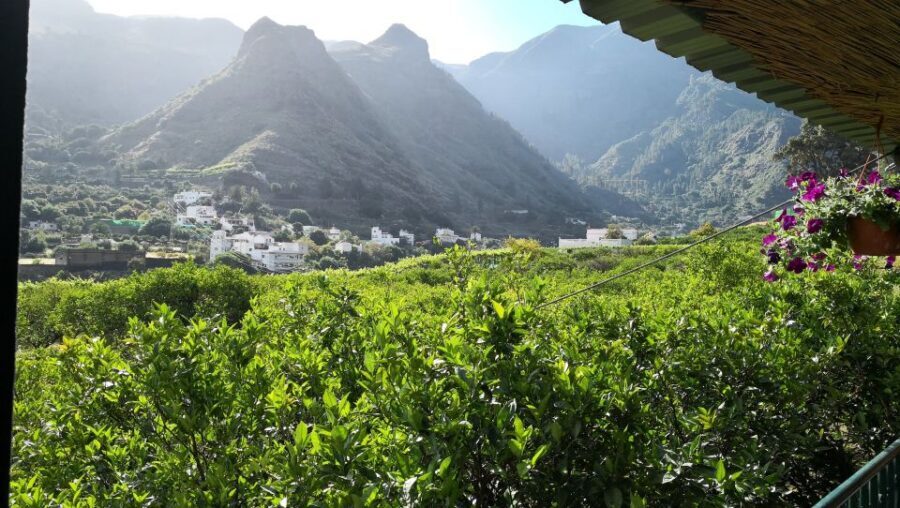
- Montañas Azules volcanic views with dramatic color bands that make for great photos
- Quick panoramic stops including San Nicolás for beach viewpoints
- Agaete break with optional lunch where you can try local dishes
- Galdar banana option for a look at how the fruit is grown
- Las Palmas finale near Las Canteras with time to shop or stroll
From pickup to a full-day loop: what logistics really mean
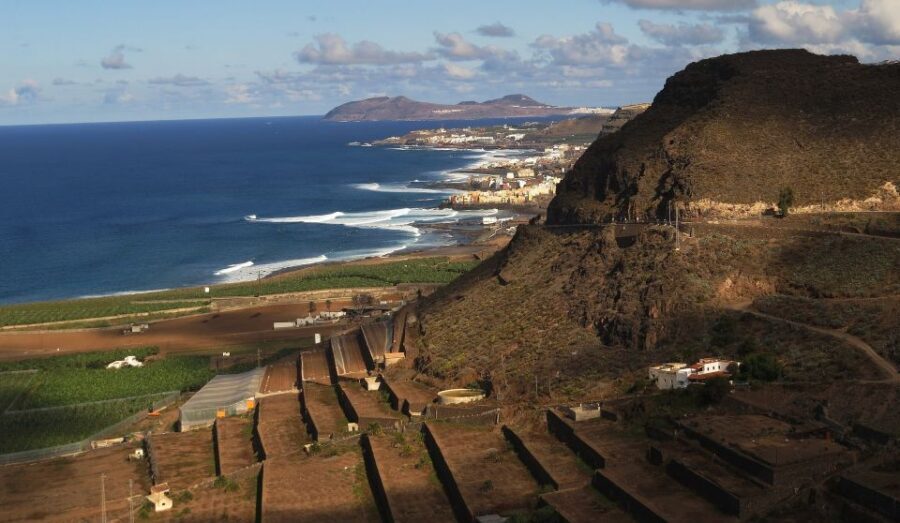
This is built for people who want the big picture without renting a car. Pickup is included from a set of south-side areas: Maspalomas, Playa del Inglés, San Agustín, Bahía Feliz, Puerto Rico, Arguineguín, Taurito, and Puerto Mogán. You’ll get the pickup details by email 24–48 hours before, which matters because the day runs on a set schedule.
Once you’re aboard, the format is a classic full-day perimeter loop. You’ll spend a lot of the time riding between regions, then you’ll get several stops with just enough time to see, take photos, and keep moving. In other words: this is less about slow wandering and more about coverage, which is perfect on a first visit.
The bus experience itself tends to be smooth, even on narrower roads. One thing I’d call out is that a larger group can make the day feel a little rushed at the curb, especially when pickup points are numerous. If you hate waiting or you want long viewing windows, set your expectations early.
Other Gran Canaria tours we've reviewed in Gran Canaria

Puerto de Mogán canals and the included boat ride
Puerto de Mogán is the south’s “walk-and-photograph” moment, and it earns its nickname. It’s known as Little Venice for its canals and white houses, and even if you’ve seen photos before, it still looks good in person. The town sits by calm water, which makes the next part fit perfectly.
The tour includes a boat trip through the area’s calm waters. This is one of the most relaxing segments of the day because you’re not climbing, not hunting a bus stop, and you’re not negotiating parking. You can use the boat time to reset your energy and spot the coastline angles you’ll miss from the road.
How to use your time here: do the easy wins first. Stroll the canal edges for photos, then look for a viewpoint that lets you see both the canal line and the water beyond. Keep an eye on the clock—stops are not designed for long meals, and the day continues to the volcanic interior right after.
Montañas Azules: volcanic color you can’t fake with a phone camera
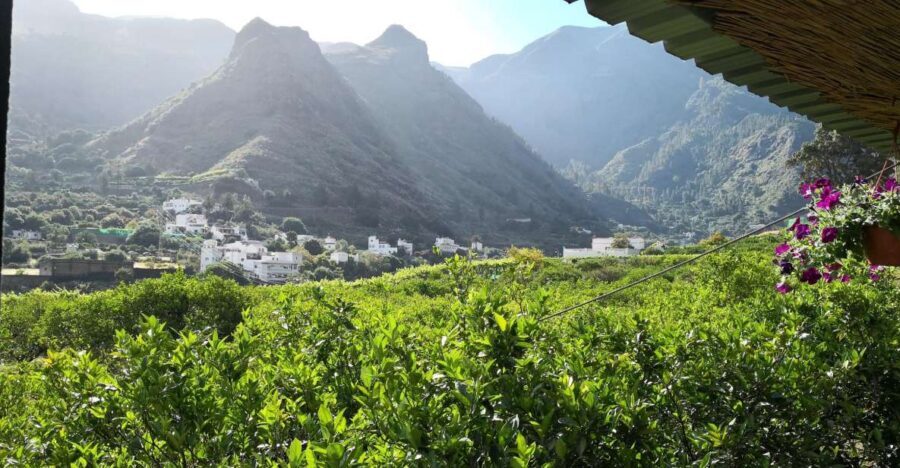
After the coast, the itinerary turns inward toward the Montañas Azules area. This stop is famous for its volcanic mountains with tones that range from deep red to deep blue. It’s the kind of place where you feel the island’s geology immediately, because the color looks intentional—even though it’s a natural result of volcanic materials and light.
This is a short viewing stop, so your strategy matters. Move early to your best photo spot if you arrive first, then take a wide shot that shows the mountain shapes—not just a close-up of one patch of color. If the lighting is harsh, shade-hunting can help for more comfortable photos and clearer faces in group shots.
You don’t need to be a geology fan to enjoy this. Think of it as your mid-day “wow” break: the island stops being all beaches and turns into a story about volcanic power, erosion, and how Gran Canaria learned to look dramatic from land that doesn’t look “green and cozy.”
San Nicolás viewpoints and Agaete’s optional lunch stop
Next up is the northward swing, with a stop in San Nicolás. Here, the tour plan is a photo stop with panoramic views of the beach. This is not a long hangout, but it’s a valuable contrast to the south: the coast looks wider, the light can feel different, and your photos will reflect that change.
When you keep moving north, you reach Agaete, a coastal town with a distinct charm. The key practical detail: lunch is optional here, and it’s at a local restaurant. If you want a full stomach before the next bus stretch, this is your moment to do it without rushing across town.
Agaete also works well as a “texture stop.” You get a change in scenery from your volcanic mountain views to something more coastal and human-scale. If you eat, keep it efficient: pick one dish you’ll remember, and don’t plan on a long late-afternoon café ritual. The day keeps its pace.
If you’re a picky eater, you’ll still have options, but the tour format means you should decide quickly once you’re there. I’d treat Agaete like a pit stop with character: take the view, consider lunch, then get back on track.
Galdar banana capital and the La Panera plantation option
Galdar is where the tour turns practical and agricultural. It’s often described as the banana farming capital of Gran Canaria, and the stop makes sense after you’ve already seen the island’s volcanic backbone. Bananas don’t grow by accident—they grow because the island’s microclimates and irrigation choices allow it.
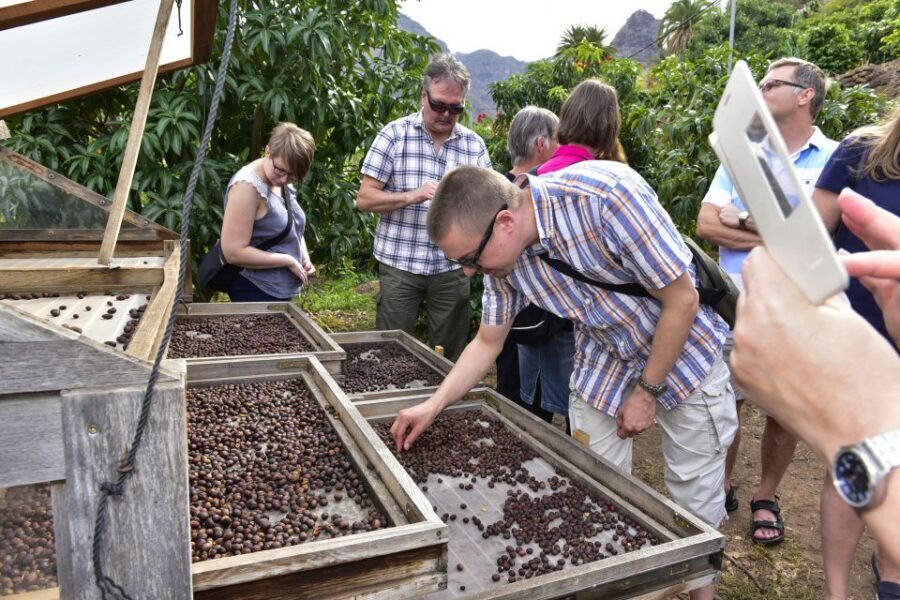
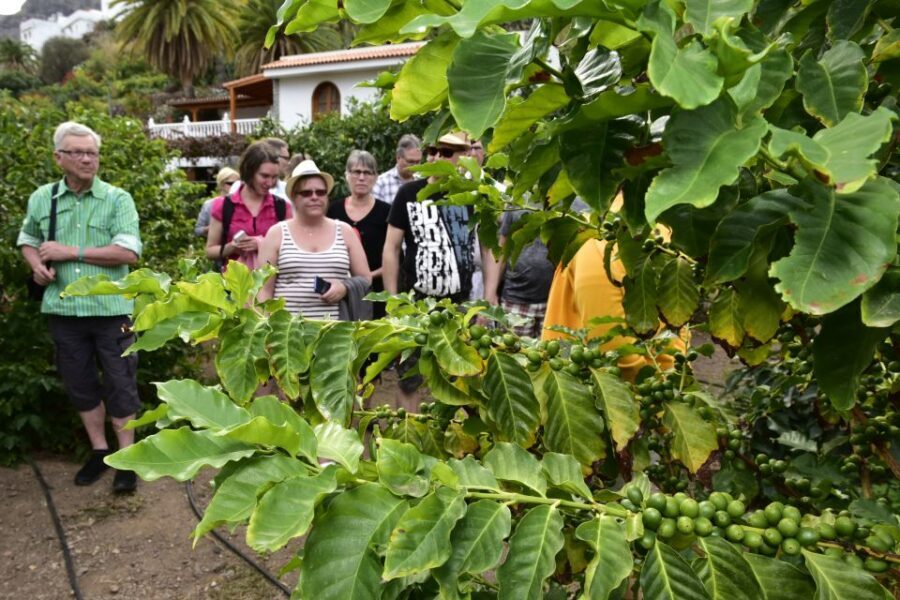
You’ll have the option to visit a La Panera banana plantation and learn about the growing process. This is the kind of add-on that can make the whole day feel more than scenic driving. Instead of only looking at Gran Canaria from viewpoints, you get a chance to see how something everyday (fruit) connects to the island’s terrain.
A good way to approach this option: don’t just take pictures of plants. Pay attention to how the plantation is run and why growing works there. You don’t need a background in farming; the value is that it changes your understanding of what you’re seeing later in other parts of the island.
After this stop, you’ll head toward Las Palmas for the finish. If you’re trying to decide whether the plantation visit is worth it, it’s often the most memorable “hands-on” element because you leave with a clearer idea of where food comes from.


Las Palmas finale at Las Arenas, Las Canteras, and Alfredo Kraus
The day ends in the island’s capital: Las Palmas. The tour includes a stop at Las Arenas, a large shopping centre located in front of the famous Las Canteras beach and the Alfredo Kraus Auditorium. This is a convenient finish because it’s easy to stretch your legs, use restrooms, grab a drink, and still be near the water.
This part is especially useful if you’re the type who likes a last look before dinner plans. You can stroll near the waterfront, people-watch, and decide how you want to spend your remaining evening—beach time, a casual meal, or just a little city browsing.
One practical tip: don’t overpack your last hour with errands. The tour is built around the stops being quick, so if you want the beach vibe, prioritize a short walk over shopping. Las Arenas is handy, but the real payoff is being close to Las Canteras and seeing how the city meets the ocean.
Price and value: is $52 a good deal for 8 hours?
At around $52 per person for an 8-hour guided day, the value depends on what you want from your trip. If you’re traveling with limited time, don’t want to drive, and you want an organized route that touches major contrasts, the price feels fair.
You’re getting more than just bus transport. You’re paying for a guide, multiple regional stops, and transfers from a wide set of south locations. The included boat ride in Puerto de Mogán also adds real “included activity” value, not just a roadside pull-over.
The only reason the value can dip is when you’re sensitive to time pressure. When pickups are numerous and stops are short, you end up doing lots of quick snapshots instead of deeper exploration. That doesn’t make the tour bad—it just means it’s a different style of sightseeing than a slower day with fewer transfers.
If you’re the kind of traveler who loves learning context while moving (history, geography, how the island functions), this format pays off. If you’d rather linger, you may wish you had more free hours in each place.
Who this Gran Canaria perimeter tour fits best
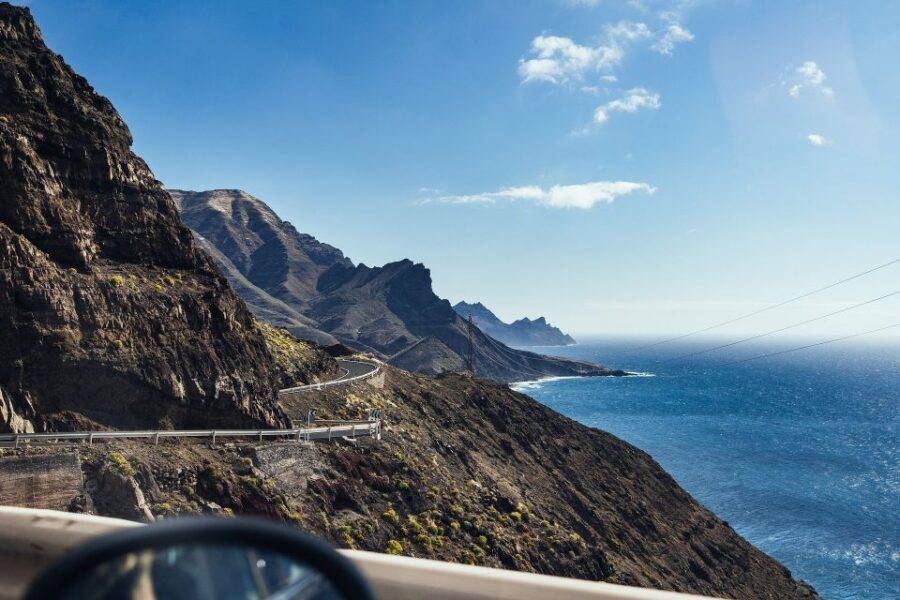
This is a solid choice for first-time visitors who want orientation fast. You’ll cover the south coast, Puerto de Mogán, the volcanic Montañas Azules area, northern viewpoints, Agaete, banana-growing country near Galdar, and the capital finish in Las Palmas.
It also suits people who like guided narration and multi-language commentary. The tour guide works in English, German, and Spanish, which can help you understand what you’re seeing even when the scenery changes fast.
Where it might not be perfect: if you’re chasing long scenic hikes, beach lounging, or slow town wandering. The itinerary is designed for movement and variety, not for hanging out for hours in one spot.
If you’re traveling with kids, the short stops can be helpful because you’re not spending the whole day stuck somewhere with one long activity. Just expect that you’ll do a lot of “get on / get off / look quickly.”
Practical tips so the day feels smooth instead of stressful
Pack for movement. Bring snacks and water, wear comfortable clothes, and plan for walking on uneven surfaces in towns. In Puerto de Mogán, you’ll likely be stepping around canal areas and town streets, and your shoes matter.
Bring your patience for the schedule. You’ll have multiple stops, but they are not long. That means you’ll want to choose one or two priorities per stop instead of trying to do everything.
For photos, use a two-shot plan. One wide shot that captures the full scene, then one close-up for texture and color. At Montañas Azules, the color range is the star, so wide first helps you remember the scale, then close-ups show the volcanic tones.
If you’re considering the La Panera banana plantation option, wear shoes you’re comfortable getting dirty or stepping on uneven ground. And if you plan lunch in Agaete, keep it light so you don’t feel sluggish during the later bus ride.
Also, keep your day flexible in the evening. The tour ends in Las Palmas near Las Canteras, which is convenient for dinner and a post-tour stroll.
Should you book this bus tour?
Book it if you want a guided, high-coverage day that connects Gran Canaria’s coast, volcanic interior views, banana-growing areas, and the capital finish. The included Puerto de Mogán boat ride and the banana plantation option are the two parts that often make this feel more than a simple “drive and stop” excursion.
Skip or reconsider if you hate bus time, hate crowding, or need long sightseeing windows. With the format and pickup coverage, you can end up with less time at each scheduled stop than you’d like, and some people feel that pressure during peak pickup waves.
If you’re doing Gran Canaria for the first time and you want your bearings fast, this is a good way to do it—then you can return later on your own to the places that pull you in.
FAQ
How long is the Grand Island tour by bus?
The tour lasts 8 hours.
What’s included in the price?
The tour includes a guided tour, hotel pickup from selected areas, and a professional guide. A boat trip in Puerto de Mogán is also part of the planned experience.
Is lunch included?
No. Lunch is not included, though there is an optional lunch stop in Agaete.
Do I need a car to take this tour?
No. Pickup and transfers are included from select areas in the south.
Where does pickup happen?
Pickup is included from Maspalomas, Playa del Inglés, San Agustín, Bahía Feliz, Puerto Rico, Arguineguín, Taurito, and Puerto Mogán.
What languages is the guide available in?
The guide speaks English, German, and Spanish.
Is the banana plantation visit included?
It’s optional. You’ll have the option to visit a La Panera banana plantation near Galdar.
Are there restrooms or shops during the day?
The itinerary includes a stop in Las Palmas at Las Arenas, which is a shopping centre where you can stroll and shop before finishing.
What should I bring?
Bring snacks, water, and comfortable clothes.
What is the cancellation policy?
You can cancel up to 24 hours in advance for a full refund.