REVIEW · GRAN CANARIA
From Las Palmas: Full-Day Tour of the North
Book on GetYourGuide →Operated by Trip Gran Canaria · Bookable on GetYourGuide
A day in northern Gran Canaria feels like fast history and real food. I like the bilingual guide format (Spanish and English at the same time) and the hands-on stops for bananas and coffee. The big downside is that the schedule is packed, so you may find a few viewpoints and lunch timing feel a bit tight.
I also like that this is not just beaches and backdrops. You get a mix of villages (Arucas, Firgas), working farmland (banana fields), and an optional wine and cheese tasting in a vineyard setting. Do note it’s not for wheelchair users, and kids under 6 can’t join.
You’ll spend most of the day on the road, but it’s the kind of driving that pays off. Expect frequent stops for photos, snacks, and short walks, with panoramic breaks built in.
In This Review
- Key Things I’d Pay Attention To
- Why Northern Gran Canaria Works as a Day Trip from Las Palmas
- The Bilingual Tour Style: Spanish and English at the Same Time
- Arucas First: St. John’s Neo-Gothic Church and Banana Country
- Firgas Ceramic Benches Street and Why It’s an Easier Photo Stop Than You Think
- West of the Island Vineyard Tasting: Wine, Local Cheese, and a Planned Break
- Agaete Coffee Fields and Arabyca Typica in the Berrazales Valley
- Puerto de las Nieves: Panoramic Views and a Waterfront Lunch Stop
- Pacing, Timing, and What to Pack for a 7.5-Hour Route
- Price Value: What $54 Gets You (and What Costs Extra)
- Should You Book This North Gran Canaria Tour?
- FAQ
- What’s the duration of the tour?
- Where does the tour depart from?
- What languages do you get on the tour?
- Is coffee included?
- Is lunch included in the price?
- Is the wine and cheese tasting included?
- What’s the main town and port area you visit for lunch?
- Is the tour suitable for wheelchair users?
- Are young children allowed?
Key Things I’d Pay Attention To
- Spanish + English together so you don’t have to guess what’s being explained.
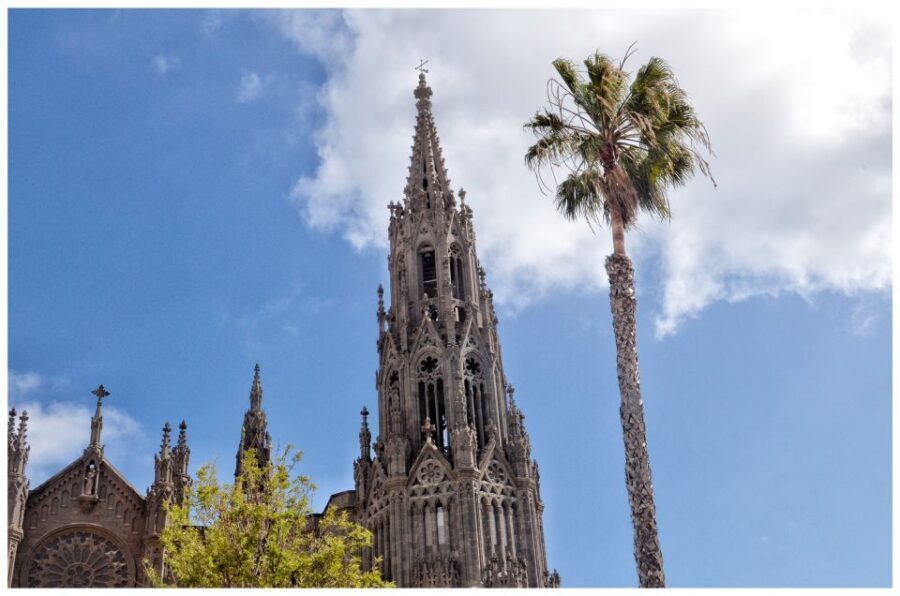
- Arucas + St. John’s neo-Gothic church sets the tone with a proper village centerpiece.
- Banana farm + Firgas ceramics give you both agriculture and local art.
- Optional vineyard tasting (wine, local cheese, and appetizers) is the easiest add-on to plan around.
- Agaete coffee fields focus on something genuinely different from the typical island tours.
- Puerto de las Nieves views are the kind you’ll actually want to slow down for.
Why Northern Gran Canaria Works as a Day Trip from Las Palmas
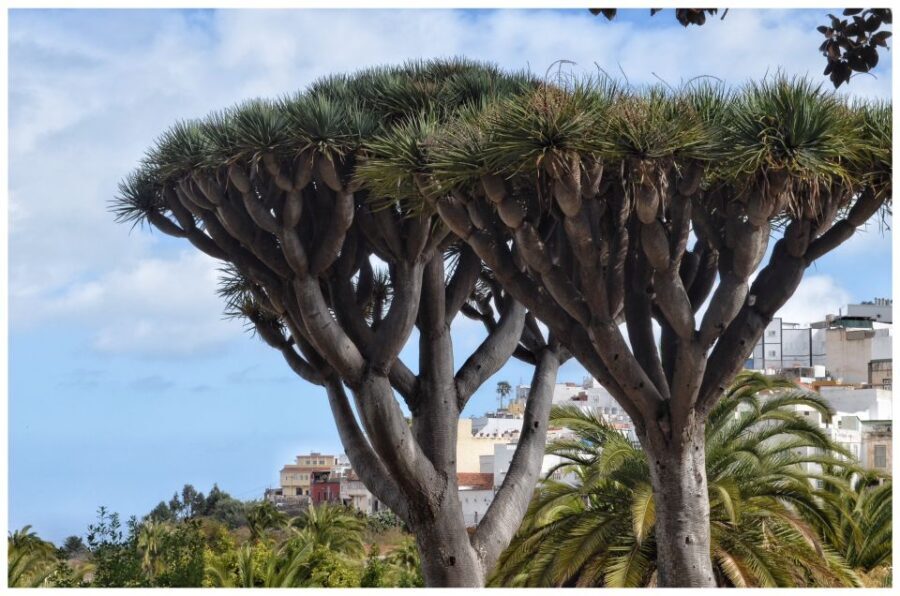
Northern Gran Canaria has a different rhythm than the south. It’s greener in feel, more village-shaped, and far less “resort bubble.” If you only have a day, this route is built to give you a wide slice of what makes the north worth visiting: churches, craft details in town, working farms, and sea views from a working port.
You’re also not just staring out the window the whole time. The day is designed around stops that answer real questions: how bananas grow here, what makes Agaete coffee special, and why Firgas is famous for its ceramic seating spots. For many people, that’s the point of a guided tour—turning scattered places into a story you can remember.
The tradeoff is that this is still a full-day loop. You’re moving from stop to stop with limited free time, so you’ll get the most out of it if you’re comfortable with a bus day.
Other Las Palmas tours we've reviewed in Gran Canaria

The Bilingual Tour Style: Spanish and English at the Same Time
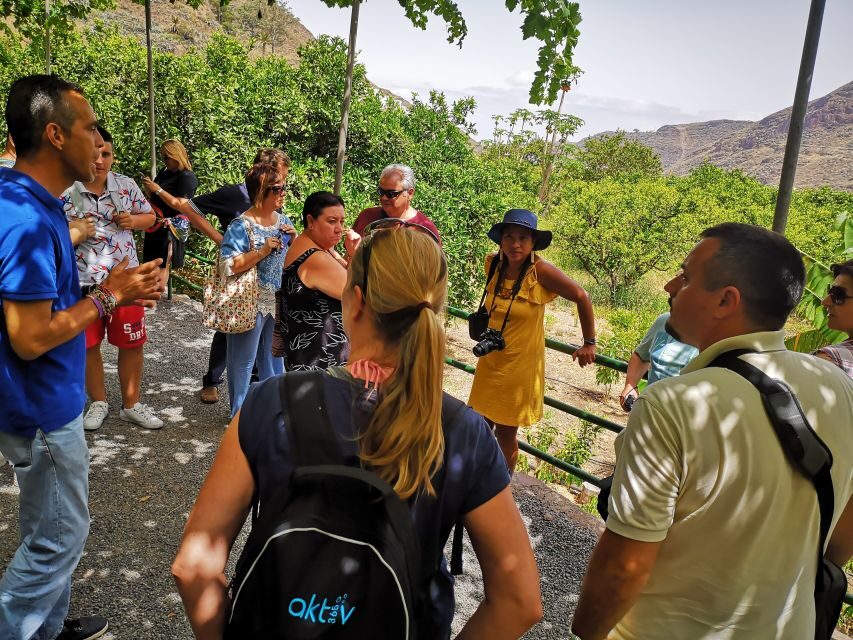
One of the best parts of this tour is how it handles language. The guide speaks English and Spanish at the same time, not in long monologues where half the group waits. That matters because you’ll lose less time trying to decode what you’re seeing.
From what I’ve seen people highlight, the tour tends to feel organized even when the day is busy. Guides like Fran and Maria are mentioned often for being friendly and clear, and drivers like Barbara are noted for keeping things running smoothly. The combination of guide + driver teamwork is a real factor on a day this packed.
Still, there’s one practical thing to consider: the microphone quality can vary depending on where you sit on the bus. If you’re hard of hearing or you know you need clear audio, I’d choose a seat closer to the front when possible.
Arucas First: St. John’s Neo-Gothic Church and Banana Country
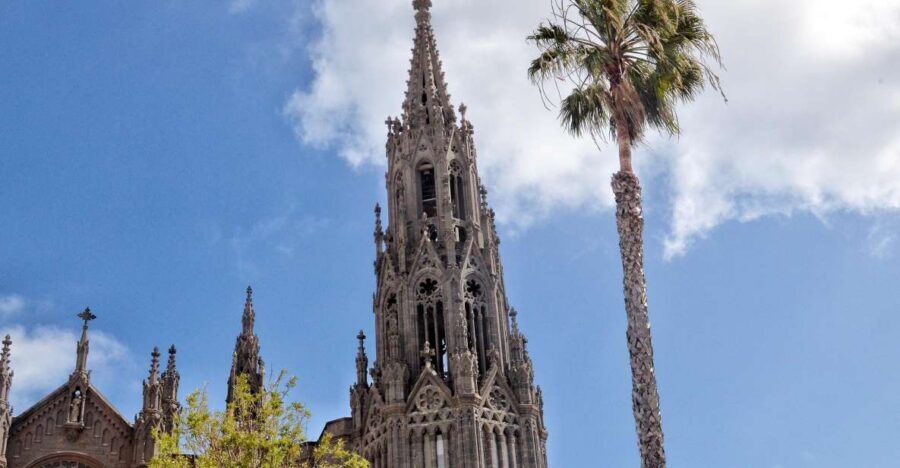
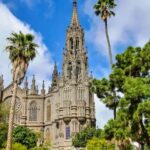
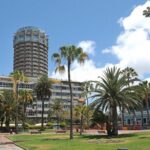
The day starts with Arucas, a town that feels made for a quick first walk. Your main anchor here is the neo-Gothic church of St. John. It’s the kind of landmark that gives you an immediate sense of place: not a tiny stop, not a roadside photo—something you can circle your camera around and actually understand as a village centerpiece.
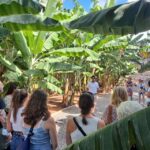
From there, the tour shifts into the island’s most famous export: bananas. You’ll visit a banana farm where the guide explains how bananas are cultivated, and you’ll get to connect what you see in the fields with the everyday reality of how the fruit becomes a product.
What I like about this part for your trip planning is that it’s not theoretical. Seeing banana cultivation in person helps everything else on the north make more sense. Even the later coffee and vineyard tasting feel more meaningful once you’ve already seen the agricultural side of the island.
Possible drawback: some people feel certain farm stops can run a little quickly. If you want long wandering time in the fields, this tour may feel more like a guided overview than a slow farm experience.
Firgas Ceramic Benches Street and Why It’s an Easier Photo Stop Than You Think
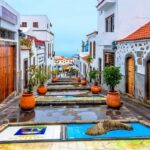
Firgas is famous for its ceramic benches, and the tour builds in a dedicated time here so you can actually notice details. If you’ve ever passed something colorful and generic without knowing what to photograph, this is the opposite: the benches are the subject.
The style is very “local craft meets public seating.” You’ll get a chance to stroll, frame photos, and take in the valley feel from higher ground areas around Firgas. It’s also one of those stops that breaks up the food-and-farming focus with something visual and easy to appreciate even if you don’t want an extended lecture.
One timing note from real experiences: some visits can feel short, and Firgas is often the place where people wish they had a few extra minutes for photos. So if you’re a picture person, give yourself permission to move quickly here—then you won’t feel rushed.
West of the Island Vineyard Tasting: Wine, Local Cheese, and a Planned Break
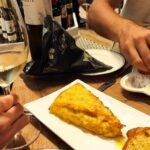
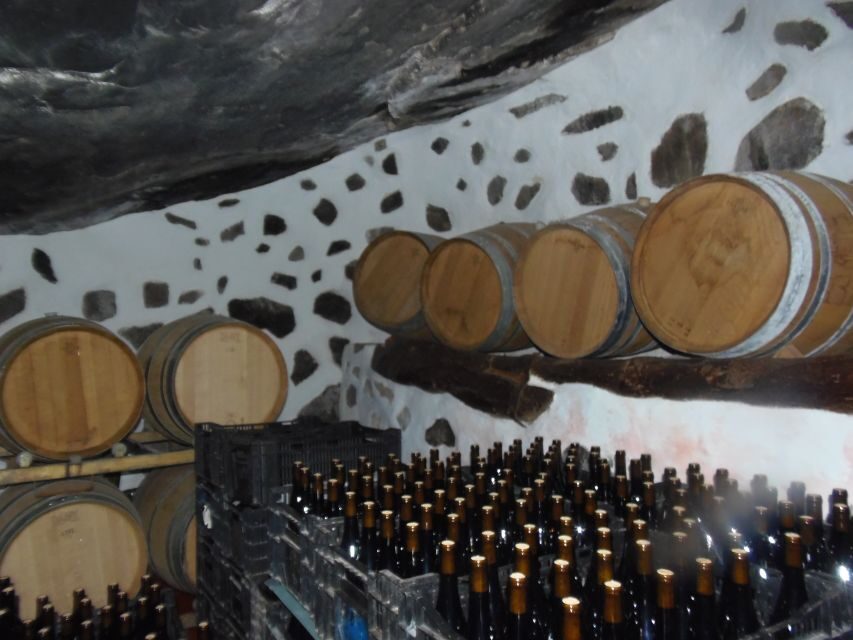
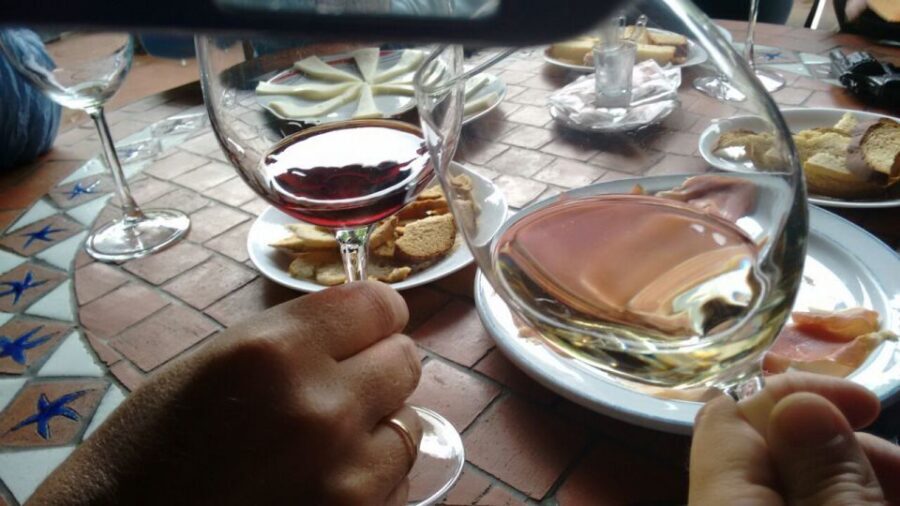
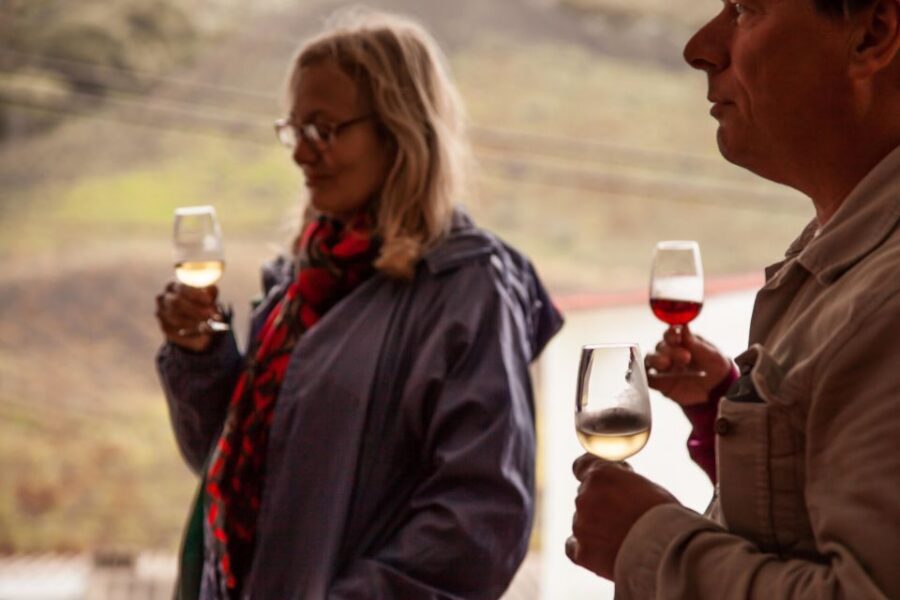
After Firgas, the tour heads toward a vineyard setting in the west of the island for a tasting experience. The tasting is optional, priced at €7.50, and it includes three cups of wine, local cheese, and some appetizers.
This stop is valuable even if you don’t drink much. It’s a structured break in a long day, and it gives you a snapshot of how Gran Canaria’s local food culture is presented to visitors—small pours, simple plates, and an easy pace compared with the bus-and-stop rhythm.
The potential downside is timing balance. Because this tasting can take place before lunch, some people find it changes the feel of the day—especially if you’re hoping to focus on lunch as the main meal. If you choose the tasting, I’d plan for a late lunch and treat it like part of the overall flow rather than the “big moment” of the day.
A few more Gran Canaria tours and experiences worth a look
Agaete Coffee Fields and Arabyca Typica in the Berrazales Valley
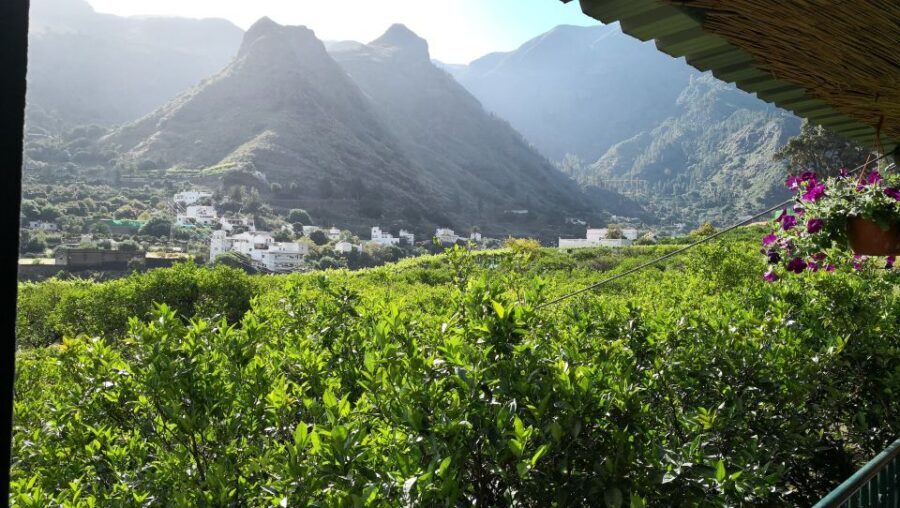
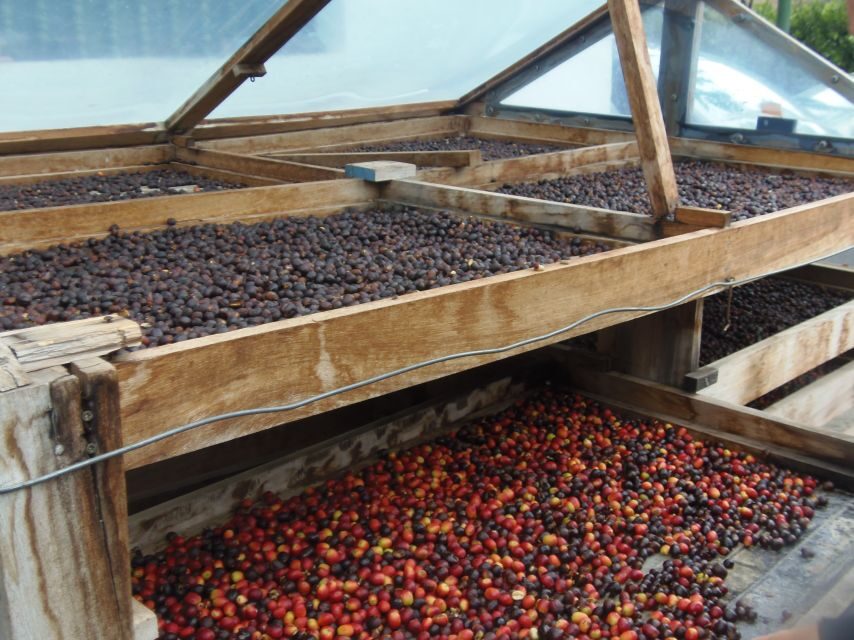
This is the part that tends to feel most different from standard island itineraries. In Agaete, you’ll taste coffee and learn about Arabyca Typica, described as a unique coffee field type in Europe. The tour takes you through the beatiful valley of Berrazales, and this is where the north shifts from “nice views” to “this is how something actually gets made.”
If you’ve ever wondered why certain coffees taste different, a stop like this helps you see coffee as a place, not just a drink. You’re not only sampling flavor—you’re watching the environment that creates it. That makes the tasting feel like it has context rather than being a quick add-on.
If you love food-related details, this is a top reason to book. Even people who weren’t initially sure about coffee tend to leave with a clearer idea of what they’re tasting and why it matters.
Puerto de las Nieves: Panoramic Views and a Waterfront Lunch Stop
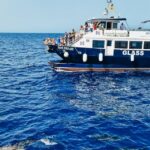
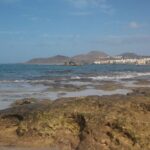
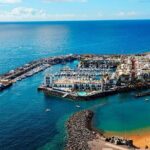
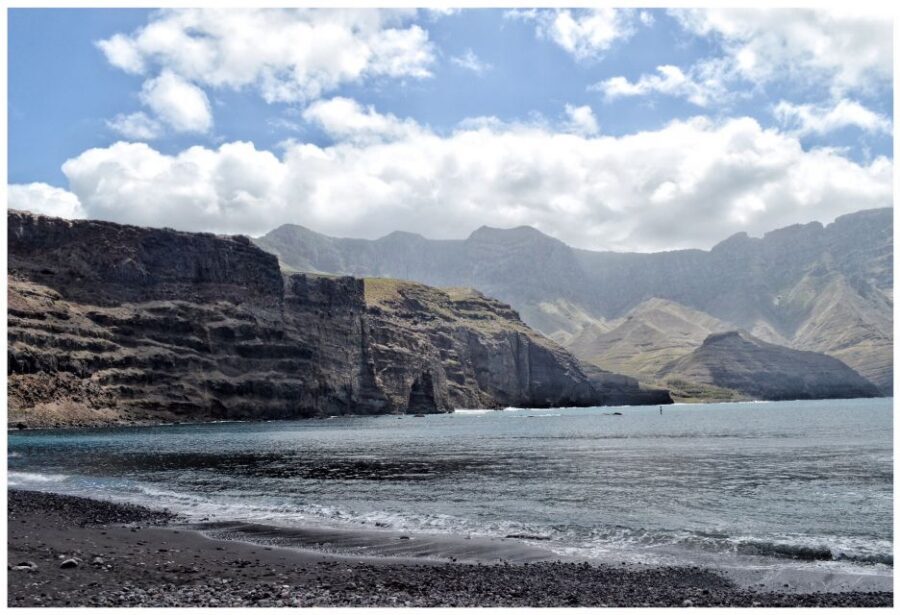
Lunch happens in Puerto de las Nieves, a small fishing and marine village. The hook here is the setting: you’re on the water, and you get stunning views from the port up to the high cliff described as the highest in Europe.
This is also the moment when the tour’s “scenery payoff” shows up. After farms, towns, and tastings, the sea view feels like a reset button for your brain. If you’re the kind of traveler who needs one strong visual anchor near the end of the day, this stop does the job.
A practical caution: because the day is scheduled tightly, lunch can feel later than you expect. One reviewer-style concern was that the lunch time didn’t feel like it had a set slot, which could matter if you’re hungry earlier or you have dietary needs you want to manage. If you do better with predictable meals, consider carrying a light snack and planning to buy lunch there rather than treating it like a timed sit-down guarantee.
Pacing, Timing, and What to Pack for a 7.5-Hour Route
This tour runs about 7.5 hours, and that duration starts to make sense once you think about the geography. Gran Canaria’s north is spread out, and the route strings together villages, viewpoints, and agricultural stops. That’s why it’s so hard to make every stop long.
Here’s how to set yourself up well:
- Bring sunscreen. A simple note, but it keeps showing up for a reason on island sightseeing days.
- Use your time wisely at each stop. Some are photo-first, walk-second.
- If you’re sensitive to noise, pick a seat where the guide’s microphone is easier to hear.
Also, this is a walking-and-standing kind of tour. There’s no claim of step-free access, and it’s not suitable for wheelchair users, so plan around that.
Price Value: What $54 Gets You (and What Costs Extra)
At $54 per person, this is priced as a full-day guided circuit rather than a casual half-tour. The real value comes from what’s included: pickup and drop-off from Las Palmas, a tour guide speaking English and Spanish, and transportation by bus or minivan, plus coffee.
Then there’s what you can choose to add:
- Lunch is not included. You can buy it in Puerto de las Nieves.
- The wine and cheese tasting (€7.50) is optional, and it includes three cups of wine, local cheese, and appetizers.
So is it worth it? For a day tour, you’re paying for convenience plus direction. Without a guide, you’d still need to plot transport between villages like Arucas and Firgas, time your food stops, and know what’s worth photographing. Here, the pacing is built for you. And because the tastings and coffee visit are part of the concept, you don’t have to hunt for them on your own.
If you’re the kind of traveler who prefers deep, slow exploration in one place, this may feel too fast. If you want broad coverage of northern Gran Canaria with a clear storyline, this price looks fair.
Should You Book This North Gran Canaria Tour?
Book it if you want a structured day that combines villages, viewpoints, working farms, and food experiences without you spending hours planning. It’s especially strong if you’re curious about bananas, want something different like Agaete coffee, and like seeing how local products connect to the landscape.
Skip it if your top priority is long free time in one town or you need slower pacing. Also skip if you need wheelchair access, since it’s not suitable.
If you do book, go in with the right mindset: treat it as a guided route where each stop does its job. That way you’ll end the day with more than photos—you’ll have a better feel for how the north of Gran Canaria actually works.
FAQ
What’s the duration of the tour?
The tour lasts about 7.5 hours.
Where does the tour depart from?
It departs from Las Palmas, with pickup and drop-off included.
What languages do you get on the tour?
The guide provides Spanish and English at the same time.
Is coffee included?
Yes, coffee is included.
Is lunch included in the price?
No. Lunch is not included, and you can buy it during the day.
Is the wine and cheese tasting included?
It’s optional. The tasting costs €7.50 and includes three cups of wine, local cheese, and some appetizers.
What’s the main town and port area you visit for lunch?
Lunch is scheduled in Puerto de las Nieves.
Is the tour suitable for wheelchair users?
No, it is not suitable for wheelchair users.
Are young children allowed?
Minors under 6 years old are not permitted on this tour.