REVIEW · GRAN CANARIA
Las Palmas: Privat Botanic Garden Tour & opt. hike Extension
Book on GetYourGuide →Operated by Gran Canaria Excursions · Bookable on GetYourGuide
A botanic garden tour with real volcanic drama. This one stands out because Jardín Botánico Canario Viera y Clavijo is built around the Canary Islands’ unusual climate, so you’re not just looking at plants, you’re seeing how they survive in the ravines and dry zones. I also like the steady pace of the guided walk through the Guiniguada ravine area, with time to notice details instead of rushing past them.
One thing to consider: the garden routing is for easy walking, but it is not suitable for people with mobility impairments.
In This Review
- Key takeaways before you go
- Why this botanic garden feels different in Las Palmas
- Meeting point and timing: how the 1.5 hours really works
- Getting to the garden: a short drive that sets expectations
- Stop inside the garden: the route through ravines and themed areas
- The greenhouse of nature: volcanic ravines and Canary flora
- Macaronesian forest: the island connection
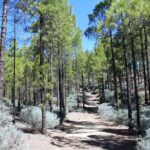
- Canary pines: a familiar tree with island-specific context
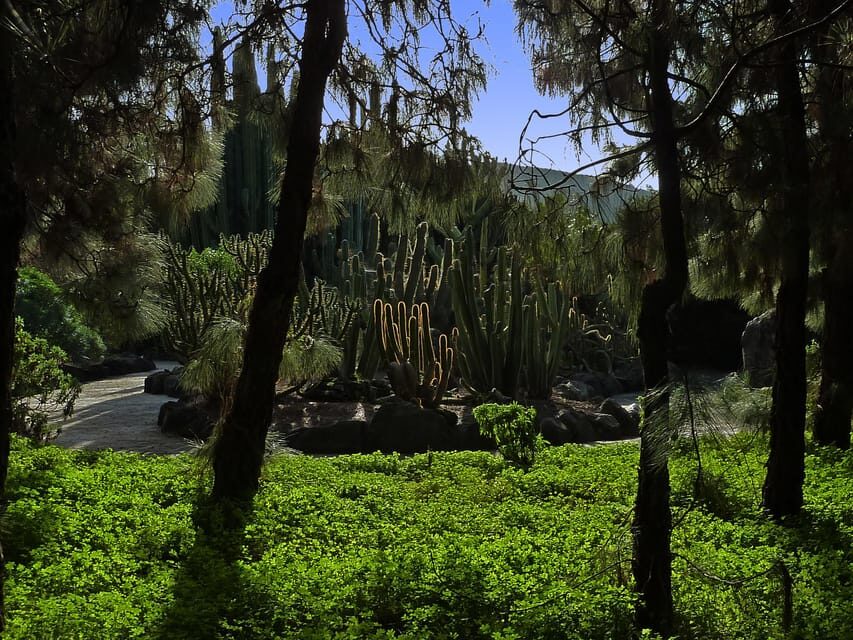
- Succulents and cactus garden: the arid-climate show
- How the guide makes it worth doing (and not just walking on your own)
- Photography tips: where your camera will thank you
- After the tour: Old Town now, or garden time later
- Option A: Old City activities right away
- Option B: Stay longer in the gardens
- Option C: Use the garden as a warm-up for hikes
- The optional hike extension: a downwards easy trail back toward Las Palmas
- Price and value: why $34 makes sense here
- Who should book this tour
- Should you book? My quick decision guide
- FAQ
- How long is the tour from start to finish?
- Where does the tour start and where does it end?
- Is the garden entrance included in the price?
- Do you pick up guests from hotels outside the Old Town?
- What languages are available for the guide?
- Can I extend the day after the garden tour?
Key takeaways before you go
- Volcanic ravines + endemic plants: see why the Canary flora is so special
- A true 1-hour guided circuit: relaxed, slow enough for photos and questions
- Free garden entrance included: you’re not paying extra once you arrive
- Thematic zones: Macaronesian forest, Canary pines, succulents and cactus gardens
- Flex time after the tour: Old Town first, or stay in the garden longer
- Optional hike extension: a scenic, downwards easy level walk back toward Las Palmas
Why this botanic garden feels different in Las Palmas
If you’ve seen a few botanical gardens in Europe, you might think they all do the same thing: pretty paths, labeled plants, a gift shop nearby. This one works differently because it is tied to the Canary Islands themselves. You’re in Gran Canaria, and the garden reflects the island’s climate and geography, not just imported collections.
The big reason I’d pick this tour is that it’s guided. The plants could be interesting on their own, but the guide helps you read the garden. You get context for what you’re looking at: which species are endemic to the islands, why some are rare or even endangered, and how the terrain shapes where different plants can grow.
And yes, it’s also a very photogenic place. Between ravine views and the cactus and arid-climate areas, you get plenty of visual variety without needing a complicated plan. It’s the kind of walk where your camera work gets easier once you know what to look for.
Other Las Palmas tours we've reviewed in Gran Canaria


Meeting point and timing: how the 1.5 hours really works
This experience is scheduled for about 1.5 hours total. The guided part inside the garden is around 1 hour, with time for getting there and getting back. Starting times depend on availability, so it’s smart to check your exact day first rather than assuming a single departure time.
The tour starts at a central meeting point in Las Palmas. One listed option is Lentini, C. San Telmo, 122. The tour is designed so you can enjoy the Old City before and after. That matters more than it sounds, because it turns a garden visit into a half-day rhythm. You arrive in time to see the garden calmly, then you’re dropped back where restaurants, cafés, and sights are easy to reach.
There’s also an optional extra for pickup closer to your hotel or home in Las Palmas. If you want that convenience, it’s listed as 15€ cash for hotel/home pickup in Las Palmas. If you’re coming from farther out, the operator can help coordinate taxi pickup/return across the island (for example, there’s an option mentioned for about 70€ for transfers to and from Maspalomas), and there’s also an option to ask about local bus logistics.
Getting to the garden: a short drive that sets expectations
You’ll travel to the botanic garden in a taxi or minibus (the operator organizes transport). Before you reach the entrance, there’s a drive through a residential area, which is a useful “warm-up.” It helps you get oriented with the way Las Palmas sits against the terrain and makes it easier to understand why the garden feels like it belongs to the island rather than sitting apart from it.
This drive also keeps the tour simple. Instead of dealing with the bus route or the taxi line, you show up, you meet your guide, and you’re moving. For a garden visit, that’s a big practical win, especially if you’re planning to continue exploring the Old Town afterward.
Stop inside the garden: the route through ravines and themed areas
The main stop is the Jardín Botánico Canario Viera y Clavijo. You get a guided walk of about an hour, and the route is built around the most compelling parts of the garden.
The greenhouse of nature: volcanic ravines and Canary flora
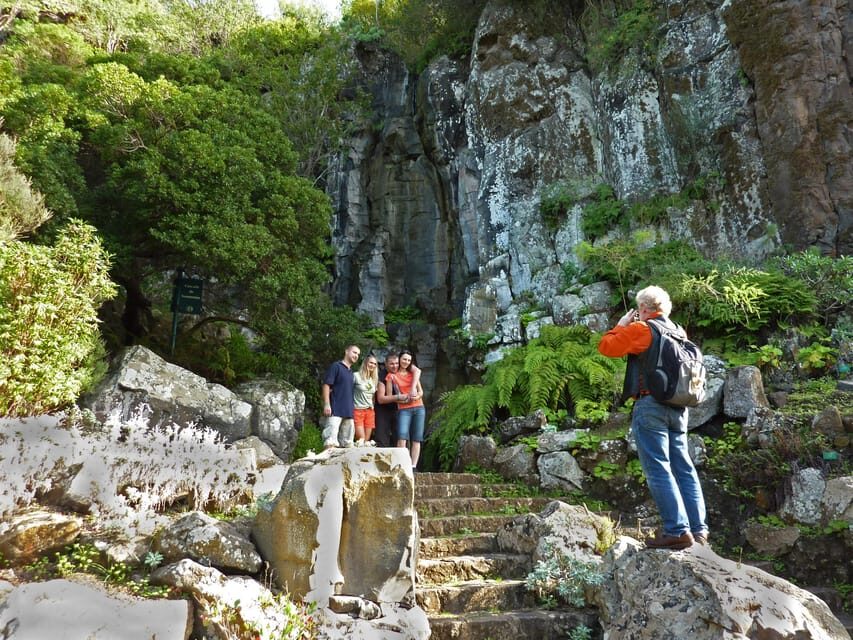
A key highlight is the walk through the garden’s ravine setting, including the Guiniguada ravine area. This is where the garden’s “why it looks this way” story clicks. You’re seeing rare and endangered plants that are tied to the local environment, and the guide’s job is to connect the biology to the landscape you’re standing on.
If you like conservation stories without getting heavy-handed, this is a good match. You’re not just collecting names. You’re learning how specific species survive in a particular place, and you’re seeing what makes the Canary Islands’ plant world distinct.
Other hiking tours in Gran Canaria


Macaronesian forest: the island connection
The tour also includes the Macaronesian forest area, which focuses on flora from the Macaronesia region. This matters because Macaronesia (the Canary Islands plus neighboring island groups) shares a lot of climate and evolutionary history. The guide helps you notice the differences between zones and understand why the plants don’t look like typical European gardens.
It’s the sort of section that turns a passive stroll into active watching. You start spotting textures and growth forms that look similar at first glance, then you learn they belong to different survival strategies.
Canary pines: a familiar tree with island-specific context
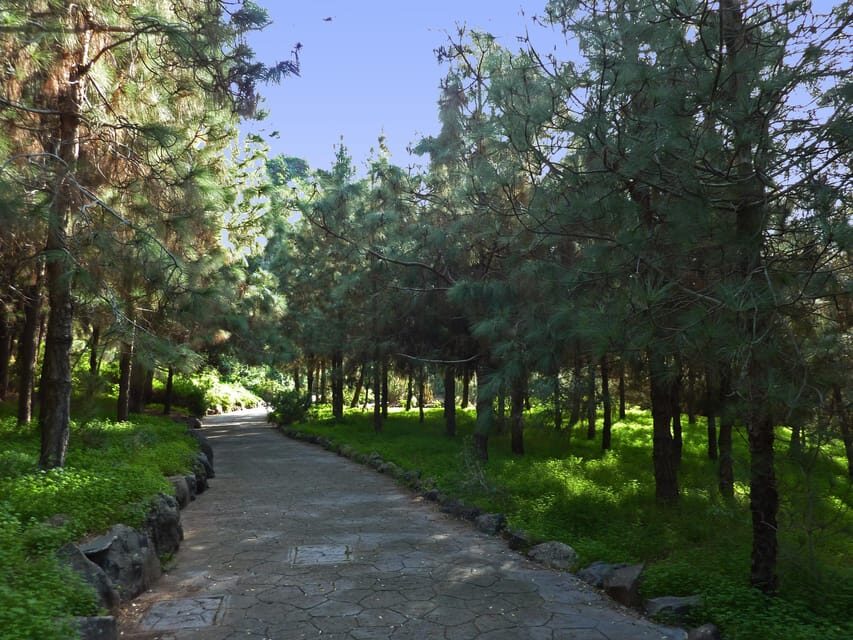
Another stop in the tour is the Canary pines zone. Even if you’ve seen pines elsewhere, this area makes you look closer. The guide’s explanations about the garden’s history and plant collections (you’ll hear plenty of plant-and-history talk in the best way) help you understand what you’re seeing and why it’s arranged this way.
Succulents and cactus garden: the arid-climate show
Then comes the big visual shift: the succulent and cactus garden. This is where you get whole displays of arid-climate species, and it’s a lot of fun for photography. The guide points out details you might miss if you were walking alone, like how different plants store water, how their shapes reflect their environment, and how the garden gathers species from outside the islands alongside local collections.
If you’re traveling with kids, this cactus section is often the easiest for them to engage with. It’s also a great “reset moment” if you’ve been standing and reading labels for a while.
How the guide makes it worth doing (and not just walking on your own)
This is a guided tour with a personal guide and insurance included. Languages listed are English, Spanish, and German, so you can choose your comfort level.
The reviews associated with this experience emphasize two things: the guide’s explanations are clear, and there’s good conversation. People liked getting insight into the garden’s history and plant collections, and they also enjoyed chatting as they walked.
That’s exactly what I’d look for in this kind of tour. In a garden with lots of species, labels alone can feel like background noise. With the guide, the plants become a story. You walk away with a few names you’ll remember and a better sense of why the Canary Islands produce such distinct plant life.
Photography tips: where your camera will thank you
You don’t have to be a serious photographer to get great shots here. The garden has built-in variety: ravine views, themed sections, and the cactus/succulent areas where color and texture do most of the work.
Here are a few practical photo strategies that match what the garden offers:
- Work the ravine walk slowly, because the view angles change as you move
- In the cactus and succulents section, shoot low to catch shapes and spines rather than only the whole plant
- Use the guide’s explanations as a map for what to photograph, since he or she can point out the plants and zones that stand out
If you’re traveling with friends, this is also a tour where people naturally pause and regroup. The garden encourages that rhythm because the best spots are spread through different zones.
After the tour: Old Town now, or garden time later
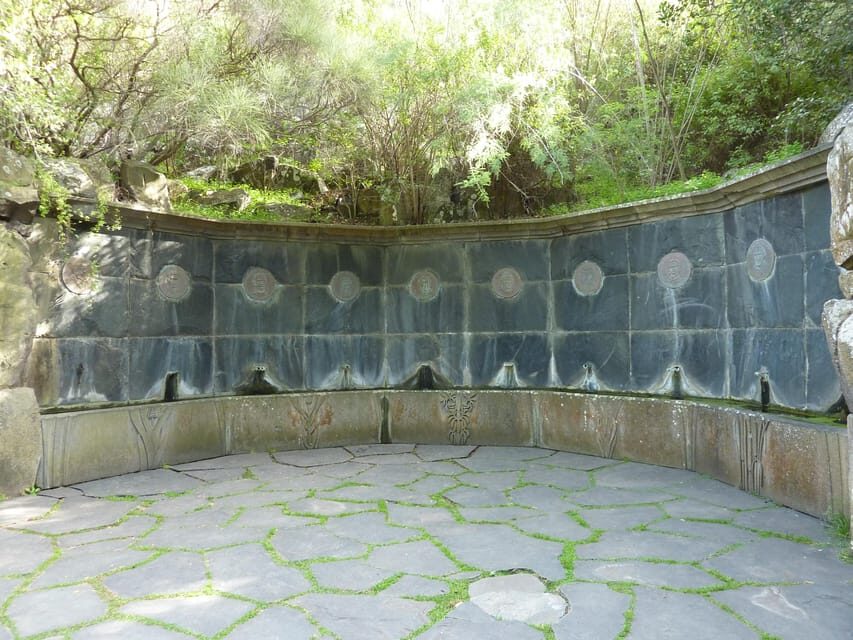
Once the guided portion ends, the experience is finished back at the Old Town area. The tour finish point listed is Catedral de Canarias, and the concept is the same either way: you’ll be in a place where you can continue your day on your terms.
You have two main choices:
Option A: Old City activities right away
If you like to eat first and think later, this works well. You can head straight into the Old Town for cafés, restaurants, and sightseeing. This is the most “easy day” way to do it because you don’t have to plan extra time at the garden beyond the tour.
Option B: Stay longer in the gardens
If you enjoy plants and you want more time for your own pace, you can remain longer in the botanic garden. The details mention the idea of taking time on your own, and even doing a picnic there is possible. That makes this a flexible outing: you can treat the guided hour as your launch pad, then keep exploring once you understand the layout.
Option C: Use the garden as a warm-up for hikes
If you’re the outdoorsy type, you can combine the garden with an extension hike after the tour (details below). This turns your day into more than walking inside a curated space.
The optional hike extension: a downwards easy trail back toward Las Palmas
After the main tour ends, there’s an optional hike extension described as a scenic, wildlife-and-mountain style walk. The extension is listed as about 2 hours on demand, and it’s aimed at guests who are fit enough for a longer nature outing.
The description includes hiking in the valley and ravine area, with a downwards easy level route back toward Las Palmas, plus an easy hike back to the Old City. In other words: it’s not described as a technical climb. It’s more about scenery and getting outdoors.
One smart way to decide is this: if you want nature views without turning your day into a full workout, the extension fits the “long but manageable” category. If you’re feeling unsure, stick to the garden and use the extra time in the Old Town instead.
Price and value: why $34 makes sense here
The listed price is $34 per person, which is a fair deal for what’s bundled.
Here’s what you’re getting for that money:
- A guided walk (about 1 hour) with a personal tour guide
- Free entrance to the botanic garden (so you’re not paying extra once you arrive)
- Transport via taxi/minibus, plus pickup/drop-off associated with the Old Town so you can keep moving before/after
The best value part is the free entrance. For a garden visit, entry fees can add up quickly, and this tour bundles that cost into the experience. The transport component also matters, because it takes away the hassle of figuring out how to get to the garden smoothly on your own.
Where costs can change is with optional extras: hotel pickup in Las Palmas is listed as an additional 15€ cash for pickup convenience, and island-wide taxi arrangements can cost more (with an example of around 70€ for Maspalomas transfers). If you’re staying centrally in Las Palmas, the included Old Town pickup/drop-off keeps your total cost simpler.
Who should book this tour
This is a strong fit if you:
- Want an easier, guided way to see the Canary Islands’ distinctive plants
- Care about interpretation, not just wandering through rows
- Enjoy photography and want ravine and cactus variety in one outing
- Prefer a day plan that ends in the Old Town so you can keep exploring
It’s less ideal if you:
- Need mobility access accommodations (it is stated as not suitable for mobility impairments)
- Want a long, self-paced tour only, with no guidance (the guided portion is about an hour, even though you can stay longer on your own)
Should you book? My quick decision guide
Book it if you want a smart mix of transport + free entrance + guided plant explanations in a time window that won’t swallow your day. It’s especially worth it if this will be your main garden experience in Gran Canaria, because the guide helps you understand what you’re looking at instead of treating the garden like a simple photo stop.
Skip or consider alternatives if you already know a lot about Canary flora and you prefer completely self-paced exploring. In that case, you might still enjoy the garden, but you’d be paying mainly for the guided hour and logistics.
If you’re on the fence, here’s an easy rule: if you’d rather spend your time asking questions and learning why the garden is arranged this way, choose this tour. If you’d rather roam freely and label plants later, plan your own garden visit and save the guide cost.
FAQ
How long is the tour from start to finish?
The experience lasts about 1.5 hours total. The guided walk inside the gardens is listed as around 1 hour.
Where does the tour start and where does it end?
The meeting point is central in Las Palmas and can vary based on the option booked. One listed starting point is Lentini, C. San Telmo, 122, and the tour finishes at Catedral de Canarias.
Is the garden entrance included in the price?
Yes. Garden entry is free and included with the tour.
Do you pick up guests from hotels outside the Old Town?
There is an optional hotel/home pickup in Las Palmas for an extra fee of 15€ cash. For other areas (like Maspalomas), you can ask the operator about taxi or local bus logistics.
What languages are available for the guide?
The tour guide is available in English, Spanish, and German.
Can I extend the day after the garden tour?
Yes. You can stay longer in the gardens on your own (including the option of a picnic), or add a scenic mountain hiking extension (about 2 hours on demand) through the valley and ravine area.