REVIEW · GRAN CANARIA
Hiking in the Sacred Mountains of Gran Canaria: UNESCO
Book on Viator →Operated by Mogán Verde · Bookable on Viator
Stone giants and ancient caves. This hike around La Caldera de Tejeda brings you to a UNESCO collapse crater that was sacred for pre-Hispanic island life. I love how the route is built to connect the views with the rock-cut caves and their engravings and cave paintings, so the scenery feels meaningful fast.
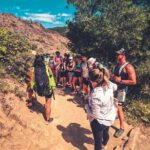
I also like the pacing you get with a max of 8 people—it keeps the guide’s explanations from turning into a lecture. One consideration: the climb is moderate (200 m up) but the day leans downhill (380 m down), so your knees will notice, especially if conditions are slippery.
In This Review
- Key things I’d bet you’ll care about
- La Caldera de Tejeda: a UNESCO crater with a sacred purpose
- A Wednesday tradition with Mogán Verde (and why timing matters)
- How the 7 km route really feels: 200 m up and 380 m down
- Roque Nublo: where the hike starts with big presence
- Roque Bentayga: a second sacred stop with changing views
- Mesa de Acusa: caves, engravings, and the crater’s edge feeling
- Guided by Sofie and Eulalia: how interpretation makes the hike better
- Pickup, small group size, and why logistics affect your enjoyment
- What to pack (especially for weather that changes fast)
- Price of $107.17: does it feel like good value?
- Who should book this hike (and who should think twice)
- Should you book this Sacred Mountains hike?
- FAQ
- How long is the hike?
- What distance do you walk?
- How much climbing and descending is there?
- When does the tour run?
- How many people are in the group?
- Is pickup available?
- What time does it start?
- What language is the tour offered in?
- What fitness level do you need?
- What happens if poor weather cancels the hike?
- Is free cancellation available?
Key things I’d bet you’ll care about
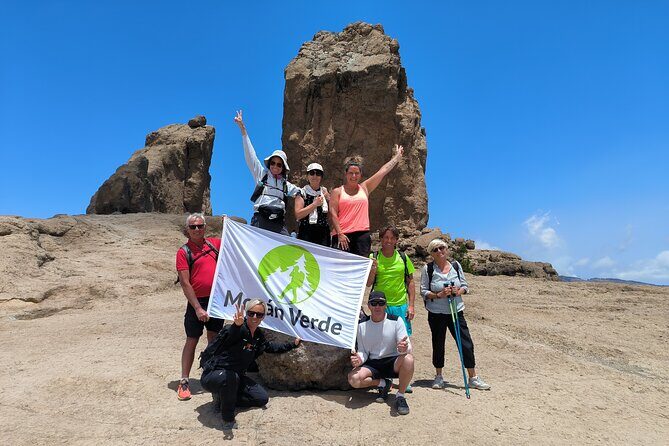
- UNESCO crater setting with pre-Hispanic cave art at the crater’s edge
- Small group, up to 8 people, which helps you ask questions and move calmly
- 7 km total walking, with 200 m ascent and 380 m descent
- Three major stops: Roque Nublo, Roque Bentayga, and Mesa de Acusa
- English-speaking guide plus pickup offered for a smoother start
- Seasonal schedule: every Wednesday from October through May
La Caldera de Tejeda: a UNESCO crater with a sacred purpose
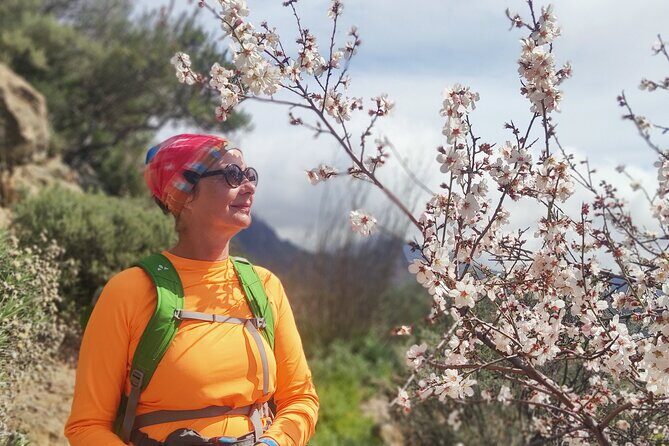
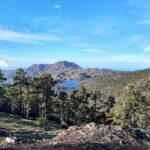
Gran Canaria has plenty of dramatic rock, but this area is different because it links geology with people’s beliefs. You’re hiking in the heart of La Caldera de Tejeda, one of the largest collapse craters in the world, and it’s tied to Indigenous sacred practices.
What makes it more than a photo hike is the way the story is anchored in place. On the crater edges, you can still see important pre-Hispanic temples and caves dug into the rock. Those caves include engravings and cave paintings, and the guide’s job is to help you notice what you’re looking at.
Other Gran Canaria tours we've reviewed in Gran Canaria

A Wednesday tradition with Mogán Verde (and why timing matters)
This excursion runs every Wednesday between October and May. That’s useful for planning because you don’t have to guess which days might fit your schedule—you can map the hike around your week.
It’s also a small-group format with a maximum of 8 participants, run by Mogán Verde. In practice, smaller groups tend to mean fewer speed changes, more attention from the guide, and a better chance to understand what you’re seeing as you walk.
If you want the best odds of getting a spot, book ahead. The tour is commonly reserved about 34 days in advance on average, which suggests it can fill up in peak travel windows.
How the 7 km route really feels: 200 m up and 380 m down
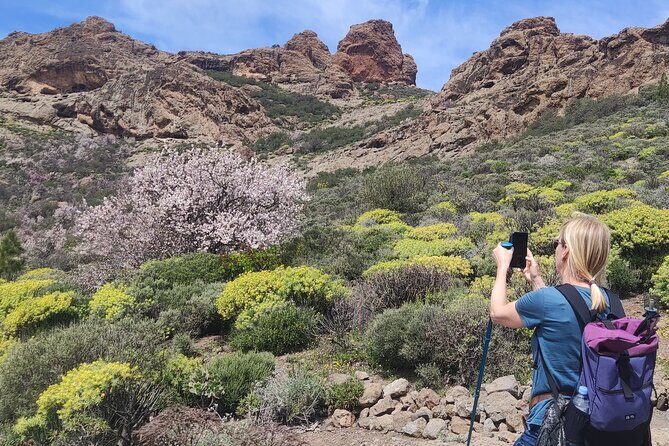
The walking distance is 7 km, but the elevation pattern is the thing to respect. You’ll gain about 200 m and lose about 380 m—so it’s not a grind up a mountain. It’s more like a steady descent over time, which can feel longer than the total kilometers suggest.
For your body, the descent is the main factor. Even when the incline looks manageable, your legs are constantly working to control your speed. If you have sensitive knees or ankles, pack trekking poles if you use them, and don’t chase the group’s pace.
For your comfort, plan around mountain weather. One review noted rapidly changing weather conditions, which is exactly what can make a short hike feel harder than expected. Bring layers and be ready for quick adjustments.
Roque Nublo: where the hike starts with big presence
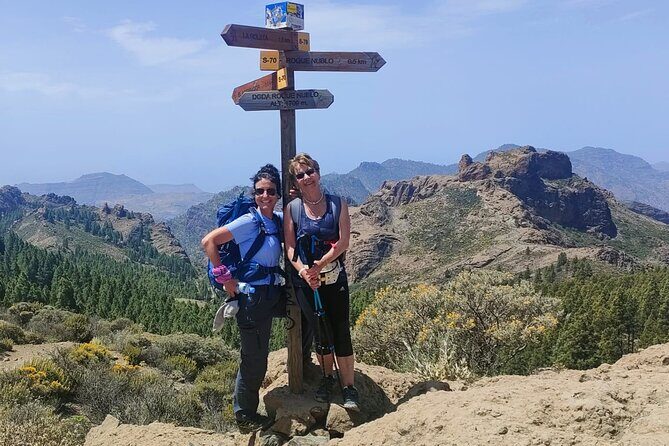
The tour kicks off at Roque Nublo, your first major landmark of the day. This is a strong opening stop because it gives you a sense of scale quickly—those big rock forms make it obvious you’re in a volcanic world.
More importantly, the guide doesn’t just point; they connect the landmark to the sacred theme of the crater. Expect explanation that ties what you’re seeing to how the crater was used in pre-Hispanic times, rather than treating the hike like a pure viewpoint circuit.
A small drawback with any big “icon” stop: if clouds or wind roll in, the photos might not look like postcard images. The upside is that the guide can still help you read the rock shapes and the setting even when visibility isn’t perfect.
Roque Bentayga: a second sacred stop with changing views
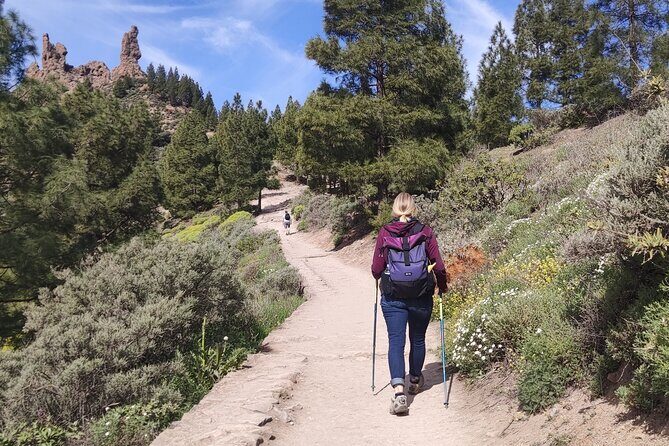
Next comes Roque Bentayga, another key stop on this crater-edged route. Like Nublo, it’s a rock feature that helps you keep orienting yourself as you move through the day. Even with only 7 km total walking, the changing sightlines can make the hike feel more spread out.
This section is also where the small-group advantage really helps. When there are fewer people, it’s easier for you to get answers on the spot—questions like what you should be noticing in the rock or why the route stops at these points matter.
One practical note: since the day includes a bigger descent than ascent, this mid-tour stretch can start to feel like “work” even though the distance is not huge. Pace yourself, and use the guides’ stops to reset your energy.
Other hiking tours in Gran Canaria
Mesa de Acusa: caves, engravings, and the crater’s edge feeling
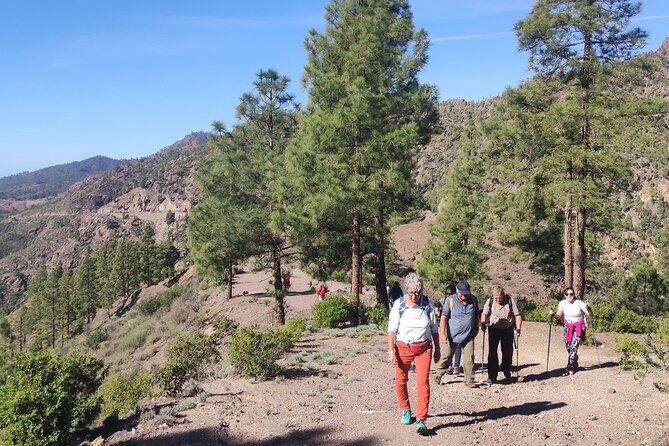
The day’s final big thematic stop is Mesa de Acusa. This is where the sacred landscape theme becomes most tangible, because this is the part of the route oriented toward the cave world—areas carved into rock with engravings and cave paintings.
Here’s what you’ll likely appreciate: the hike guides your attention. Instead of just walking past features, you’re set up to understand why these caves were so important. That shifts the experience from scenery to a human story.
There’s also a mindset shift for you as you approach. The crater setting can make everything feel close and enclosed, even when you’re looking outward at huge distances. If you enjoy connecting art to environment—how people made meaning directly into the rock—this stop is the highlight.
Guided by Sofie and Eulalia: how interpretation makes the hike better
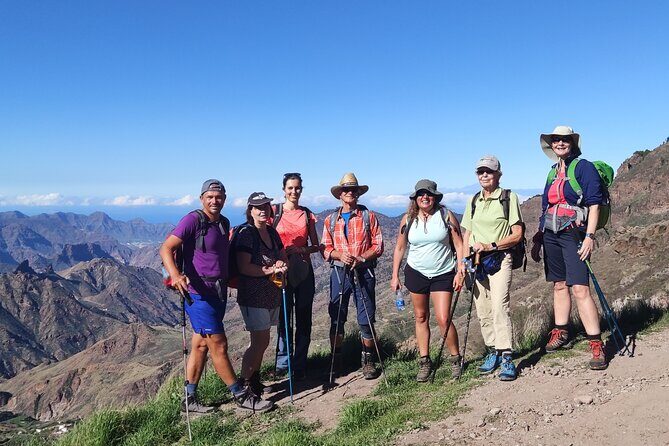
A big part of why this experience earns a high rating is the guide quality. In the feedback I’ve seen, guides such as Sofie and Eulalia stand out for being both enthusiastic and clear, and for sharing a lot about Gran Canaria.
What you want from a hike like this isn’t just directions. You want help noticing. In this case, that means learning what to look for in the caves and how the stops connect back to pre-Hispanic sacred use of the crater.
If you like tours where you actually understand the place as you walk, this is the format to choose. With a maximum of 8 people, your guide can keep explanations tied to what’s directly in front of you.
Pickup, small group size, and why logistics affect your enjoyment
This tour offers pickup. You’ll receive a message with the exact meeting time, so you’re not left guessing when to show up. For a 9:00 am start, pickup matters more than it sounds, because it reduces stress and gets you into the walking day faster.
It’s also a mobile ticket experience, which is the kind of detail that sounds small until you’re at your hotel trying to find the right paper. Having it on your phone keeps the start smoother.
The timing is long-ish—about 7 hours—but that’s because you’re not just walking through open country. You’re stopping at three major areas and taking time to make sense of what the crater means.
What to pack (especially for weather that changes fast)
Bring practical gear. One review specifically called out rapidly changing weather conditions, which is common in mountain areas and can shift your comfort level fast.
At minimum, plan for:
- A light rain layer or wind shell
- Sun protection (you can get sun even when clouds move through)
- Layers you can add/remove quickly
- Shoes with solid grip for uneven ground
- Water and a small snack, since the schedule is a long half-day
Also, don’t underestimate temperature swings. Even when the morning feels mild, you might want an extra layer as you move through different spots in the crater.
Price of $107.17: does it feel like good value?
At $107.17 per person, this isn’t a bargain-basement hike. The value comes from what’s included and how it’s delivered.
You’re paying for:
- A guided experience that focuses on pre-Hispanic cave art and sacred context
- A small group (max 8), which helps interpretation and comfort
- Pickup offered, plus a start time that works like a real excursion
- A route that hits multiple big names in one day: Roque Nublo, Roque Bentayga, and Mesa de Acusa
If what you want is a self-guided wander, you might spend less. But if you want to understand the meaning of the caves as you see them—and not just take pictures—this price starts to look fair.
Who should book this hike (and who should think twice)
This is a strong match if you:
- Enjoy hikes that mix walking with interpretation, not just viewpoints
- Want a UNESCO setting tied to human history
- Prefer a small group where you can actually talk to the guide
- Can handle a day with a long descent component
I’d think twice if your knees hate downhill, or if you’re dealing with mobility issues that make steep, uneven, or slippery footing risky. The walking distance is modest, but the 380 m descent is the part that can catch people off guard.
Should you book this Sacred Mountains hike?
Book it if you want a guided day that connects La Caldera de Tejeda to the sacred caves and their engravings and cave paintings, with a guide like Sofie and Eulalia bringing the place into focus. The small group size and pickup make it feel like an organized outing rather than a stressful logistics hunt.
Skip it only if you know downhill walking is a problem for you, or if you’re traveling with very limited flexibility around Wednesday dates during October–May. Otherwise, this is the kind of hike that helps you leave with more than photos—you’ll remember the crater as a cultural place.
FAQ
How long is the hike?
It lasts about 7 hours.
What distance do you walk?
The hike covers about 7 km.
How much climbing and descending is there?
You’ll have around 200 m ascent and about 380 m descent.
When does the tour run?
It runs every Wednesday between October and May.
How many people are in the group?
The group is limited to a maximum of 8 travelers.
Is pickup available?
Yes, pickup is offered. You’ll get a message with the exact meeting time.
What time does it start?
It starts at 9:00 am.
What language is the tour offered in?
It is offered in English.
What fitness level do you need?
A moderate physical fitness level is recommended.
What happens if poor weather cancels the hike?
If it’s canceled due to poor weather, you’ll be offered a different date or a full refund.
Is free cancellation available?
Yes. You can cancel for a full refund up to 24 hours in advance of the experience start time.