REVIEW · GRAN CANARIA
Hiking experience in the north of Gran Canaria
Book on Viator →Bookable on Viator
Gran Canaria gets cooler in the north. This hike stands out because the guide picks the best route for the day’s weather and season, often timed to what’s blooming in the Macaronesia region. You also get an experienced guide who shares lots of practical info about local flora and fauna, with a relaxed sense of humour that keeps the pace friendly. One catch: this is real trekking, so you’ll need moderate fitness and mandatory grippy shoes, or the guide will send you back to prep.
Plan on about a 9-hour day with a small group (max 8). Pickup is offered from many common resort areas, and you’ll use a mobile ticket. Start time is shown as 9:00 am, but your actual pickup window is confirmed the evening before.
For the price (around $84.11 per person), the value is mainly in the route selection and guide effort. You’re paying for a day that’s meant to feel comfortable, not rushed, with the walking planned around conditions rather than a fixed script.
In This Review
- Key things to know before you hike north Gran Canaria
- North Gran Canaria Hiking that adapts to the day
- Getting there from Maspalomas: timing that needs attention
- How the guide chooses the route: weather, bloom, and safety
- The walking day: moderate fitness, shoes that grip, and steady pacing
- What the day feels like on the ground, starting from Maspalomas
- Lunch planning: restaurant meal or picnic when the route shifts
- What people tend to love most: route choice and guide energy
- When to go: cool north walking, with seasonal weather expectations
- Small group dynamics: up to 8 people, and why that helps
- Price and value: why this costs what it costs
- So, should you book this north Gran Canaria hike?
- FAQ
- What time does the tour start?
- Is the 9:00 am time the pickup time?
- Where is pickup available, and where is it not?
- How long does the experience last?
- What fitness level do I need, and is there an age limit for children?
- Are sports or trekking shoes mandatory?
- What should I wear depending on the season?
- Is lunch included, and can it change to a picnic?
- Is the tour in English, and how big is the group?
- When is the hike not organized?
Key things to know before you hike north Gran Canaria
- Route chosen by weather and season: the walk adapts to what conditions allow and what’s in bloom.
- Small group size (up to 8): easier questions, less crowding on viewpoints and trails.
- Shoes are checked before you start: trekking shoes with strong grip are mandatory.
- Lunch can turn into a picnic: on weekly routes, a restaurant lunch may switch to picnic format.
- Seasonal clothing guidance: bring long sleeves year-round; waterproof layers matter in the wetter months.
- Not operating in high-summer: hikes are not organized from July 1 to August 31.
North Gran Canaria Hiking that adapts to the day
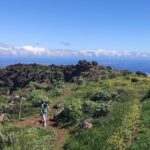
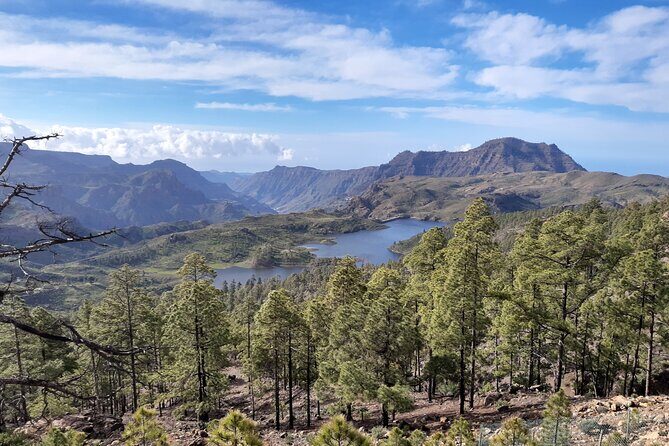
The north of Gran Canaria can feel like a different island from the south—cooler, wilder, and shaped by gorges, caves, and coastlines that look dramatic in changing light. What makes this hike feel smart (not just scenic) is how the guide plans the path.
Instead of a one-size-fits-all walk, the route is chosen based on the weather, the region, and the season. That can mean choosing a day when winds are kinder, or when a trail is safer, or when the plants are at their best. It also explains why people often mention the route choice right away: a good hike is usually about where you walk, not just that you walk.
You’ll get a guide who clearly cares about the natural world around you. The focus is on the Macaronesia setting—think island plants and wildlife that feel special to this region—plus the natural features that define the north, from gorges and beaches to caves and craters.
The atmosphere is practical. You’ll be outdoors for most of the day, so the goal is to make the experience comfortable and well paced, not a hard push from start to finish.
Other Gran Canaria tours we've reviewed in Gran Canaria
Getting there from Maspalomas: timing that needs attention
Most hikers start the morning with pickup from resort areas. Your start time may show as 9:00 am, but that is not the same as pickup. The actual pickup time is sent to you the evening before by email or text, and there can be a few minutes delay in pickup.
This matters because the hike runs roughly 9 hours total, and everyone needs to be ready early. I’d treat your “evening before” message as the source of truth and plan to be waiting a bit before the pickup window.
Also pay attention to pickup coverage. There is no pickup from:
- Las Palmas de Gran Canaria (north of the island)
- Puerto de Mogan, Taurito, Playa del Cura, Puerto Rico, Arguineguin (south of the island)
If you’re staying outside the pickup zones listed, you’ll want to double-check your meeting plan right away—especially if you rely on public transport or taxis.
How the guide chooses the route: weather, bloom, and safety
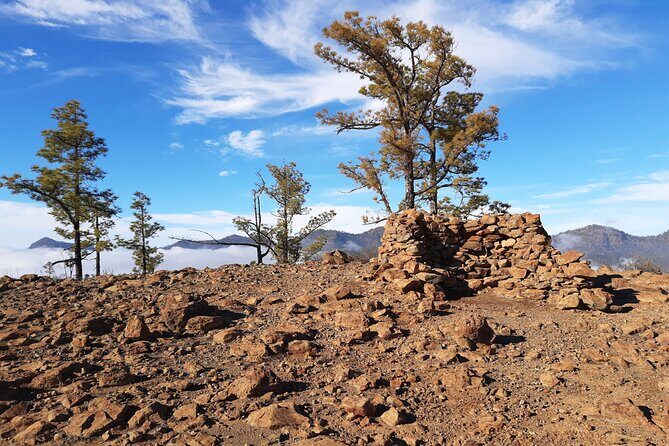
This is where the experience earns its keep. The guide chooses the “Route of the week” based on conditions in that specific area and season. The point isn’t just beauty; it’s that the best day for a hike can change quickly with wind, temperature, and rain.
In the spring and summer stretch (roughly April to September), rainfall is typically low. Even higher mountain areas tend to hover around 22°C, with warmer days in June, July, and August (up to about 26°C). In those months, the route can often be timed around good walking conditions without needing heavy rain gear.
From October to March, rain is more frequent. The route can still happen, but weather may force adjustments. The organizer even notes that excursions are typically avoided on rainy days when possible, though conditions can still surprise you. For you, the takeaway is simple: bring clothing that handles wind and wet weather, even if the morning looks fine.
And the “flora and fauna” focus isn’t a casual add-on. The guide takes time to point out what’s growing and why it matters in this Macaronesian environment. You’ll likely notice more if you slow down mentally—this hike rewards attention.
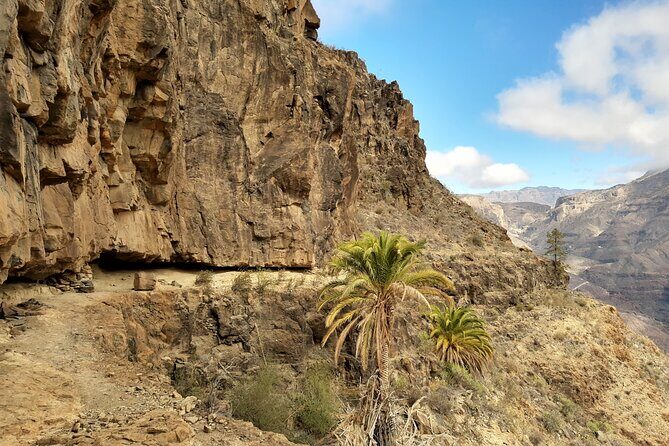
There’s also an element of contrast. The north has gorges, caves, and coastal edges that feel far from the sun-and-sand version of the island. If you want to feel Gran Canaria’s natural shape, the route planning is designed to deliver that.
The walking day: moderate fitness, shoes that grip, and steady pacing
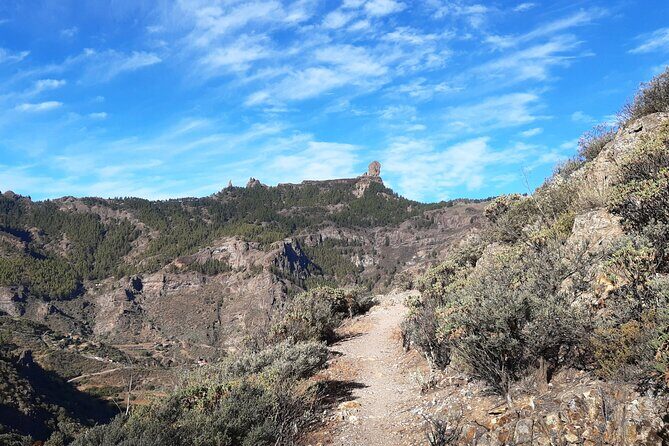
The experience is for people with moderate physical fitness. That doesn’t mean you need to be an athlete, but it does mean you should expect uphill sections and uneven terrain.
The guide will check your footwear at the start. Sports or trekking shoes with good grip are mandatory. This is a big deal on volcanic islands where surfaces can be dusty, rocky, or slippery when damp. If your shoes are more for pavement than trails, you’ll feel it quickly.
Clothing-wise, plan for layers. Even when temps are comfortable, mountain air and shade can change the feel during the hike. The guidance suggests:
- Long-sleeved clothing is recommended even in warmer months.
- In wetter months, add warm layers and a waterproof jacket that can also work as a windbreaker.
A practical tip: pack for the change, not just for the sunny moment you leave your hotel. North Gran Canaria can shift fast.
Also note the maximum group size: up to 8 people. That helps the guide manage the pace and keep safety smoother, especially when conditions shift.
What the day feels like on the ground, starting from Maspalomas
Your morning coordination starts around Maspalomas. Think of this as the launch point for the group before heading toward the north trail area.
From there, the walk is structured around “route of the week” logic—meaning you’re not only hiking scenery, you’re hiking conditions. If it’s the sort of day where the guide can take you to the best gorges, caves, and crater-like viewpoints, that’s the direction you’ll go. If the weather shifts, the route can adapt to keep the hike attractive while still being safe.
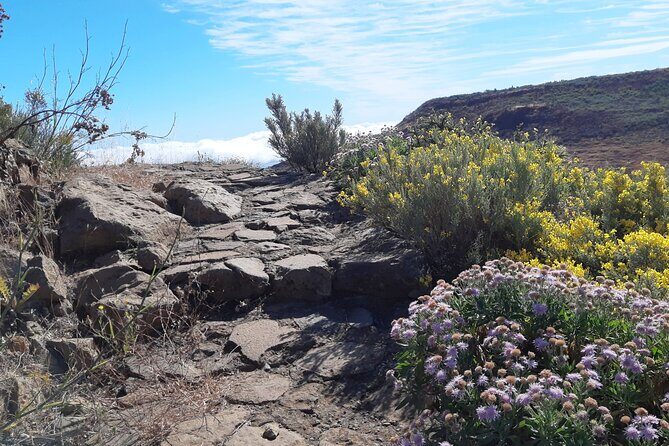
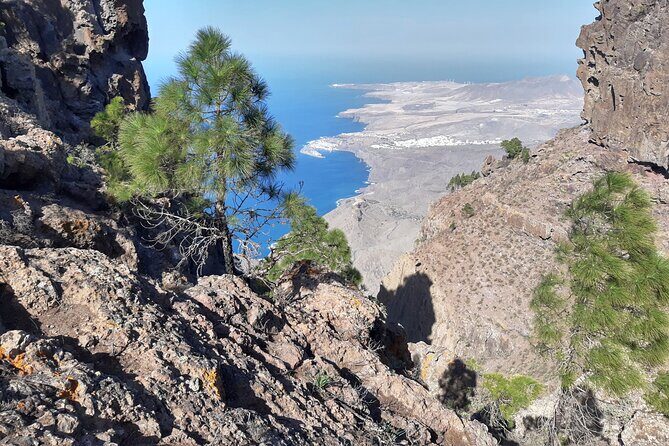
You’ll experience a sequence of terrain that highlights what makes the north feel dramatic: rougher ground near natural corridors, viewpoints that show the island’s scale, and sections that reveal the island’s plant life up close. This is the kind of hike where the guide’s notes can transform “walking” into “understanding,” especially with flora and fauna explanations.
Is it a hike you do for a workout? Yes, you’ll work. Is it a hike you do to rush from point to point? Not really. The guide’s route choice and the small group size encourage moving steadily and enjoying the stops.
Other hiking tours in Gran Canaria
Lunch planning: restaurant meal or picnic when the route shifts
Food is handled with flexibility. For logistical reasons during a weekly route, lunch at a restaurant offered during excursions may be replaced by a picnic. That picnic is listed as a sandwich, an energy bar, fruit, and a 1.0L bottle of water.
So you’ll want to be comfortable with the idea that lunch format can change. The good part is that you’re not left empty-handed. The less good part is that you shouldn’t treat this as a “guaranteed sit-down meal” day.
If you like predictable meal plans, I’d assume picnic is possible and pack extra snacks only if you’re someone who needs them. Also, water needs attention on longer hikes, even when temps seem mild—carry-on hydration isn’t something you want to gamble with.
What people tend to love most: route choice and guide energy
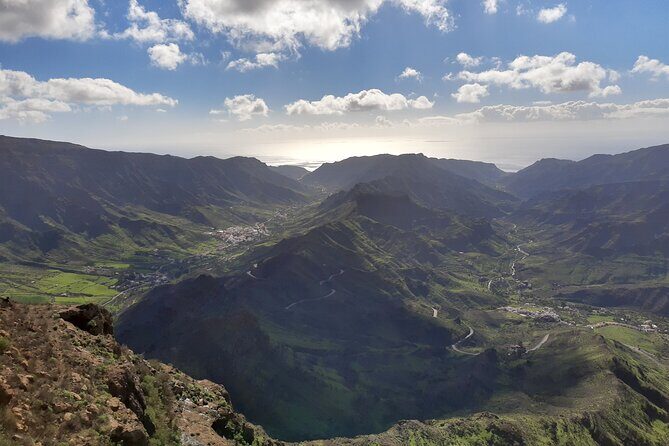
The best part of this experience is how it avoids the common hiking problem: showing up and realizing the route is chosen for convenience, not conditions. Here, you’re getting a route selected for the day.
That’s why the “really well chosen route” theme keeps coming up. When the trail matches the weather, the hike feels more relaxed. When timing lines up with seasonal plant life, the scenery feels like more than just views.
Another standout is the guide’s approach. People describe an experienced guide who knows the area and shares lots of information about flora and fauna. They also mention a good sense of humour, which matters more than you’d think. On a long day outdoors, good humour turns “walking” into “time passing fast.”
One more practical benefit of a well-led hike: you spend less time guessing where to look or what to notice. You’ll know what you’re seeing, and that helps you enjoy the effort more.
When to go: cool north walking, with seasonal weather expectations
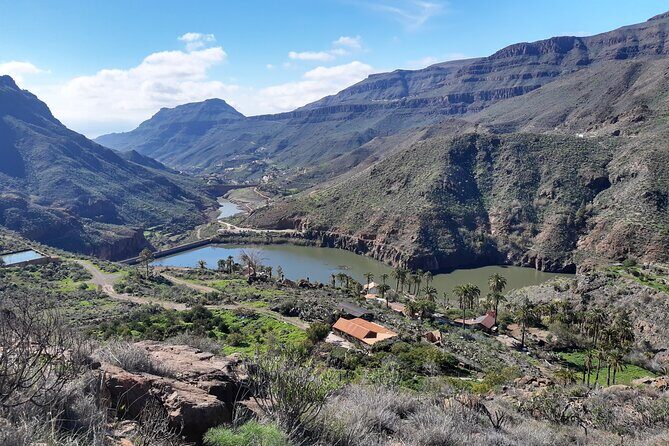
Timing matters a lot for a hike in Gran Canaria’s north.
April to September: typically drier. Temperatures are comfortable, even at higher points (around 22°C). In June–August, you can see up to about 26°C, so bring breathable layers. Still, long sleeves are recommended, probably because sun plus wind plus shade can feel different than you expect.
October to March: wetter and more variable. Warm layers with long sleeves are recommended, plus a waterproof jacket that doubles as a windbreaker. Even if rain isn’t constant, coastal wind and sudden showers can change comfort quickly.
And there’s one more seasonal note that affects your calendar: during July 1 to August 31, hiking trips are not organized. If you’re traveling in those months, plan for another kind of experience.
Small group dynamics: up to 8 people, and why that helps
A group of up to 8 changes the whole feel. You’re less likely to get split from the guide, more likely to have time for questions, and the stops feel less like a production line.
It also helps with safety on trail terrain. If the route needs adjusting because conditions change, a smaller group makes it easier to manage pacing and keep everyone together.
For you, this is a value point even if you never care about group size. Less crowding can mean better time at viewpoints and more attention to what the guide is pointing out.
Price and value: why this costs what it costs
At about $84.11 per person, the price might look mid-range compared with “basic guided tours.” The key is what you’re paying for: pickup from many areas, an English-speaking guide, a full-day schedule, and route planning that adapts to the weather and the season.
Route selection is not a small detail. It can mean choosing a trail that’s pleasant rather than unpleasant, and it can change your whole impression of the north.
You’re also paying for a day that can include natural history explanations focused on flora and fauna in a Macaronesian context. That kind of guidance adds value because it makes the walk more than scenery.
The result is a hike that tends to feel intentional rather than random.
So, should you book this north Gran Canaria hike?
If you want authentic nature time in the north, you should strongly consider booking—especially if you like hikes where the guide helps you understand what you’re seeing. The big wins are the weather-smart route choice, the small group size, and a guide who brings flora/fauna knowledge with humour.
I’d skip it (or pick a different plan) if any of these are true for you:
- You don’t want to follow shoe and clothing requirements.
- You’re not comfortable with moderate physical fitness hiking for about 9 hours.
- You’re traveling between July 1 and August 31, when hikes aren’t organized.
If you like your days outdoors and you’re the type who enjoys learning while you walk, this is a solid value way to experience Gran Canaria beyond the usual beach view.
FAQ
What time does the tour start?
The start time is shown as 9:00 am.
Is the 9:00 am time the pickup time?
No. The 9:00 am time is not the pickup time. Your pickup time is provided the evening before the tour via email or text, and pickup may be delayed by a few minutes.
Where is pickup available, and where is it not?
Pickup is not offered from Las Palmas de Gran Canaria (north of the island) and not from Puerto de Mogan, Taurito, Playa del Cura, Puerto Rico, or Arguineguin (south of the island). Pickup is offered from several listed resort areas (with different pickup windows by location).
How long does the experience last?
It’s about 9 hours (approx.).
What fitness level do I need, and is there an age limit for children?
The hike is for people with moderate physical fitness. The recommended minimum age for children is 8 years.
Are sports or trekking shoes mandatory?
Yes. Sports or trekking shoes with good grip are mandatory, and the guide checks them before starting.
What should I wear depending on the season?
From April to September, rainfall is low and temperatures are warm, but long sleeves are recommended. From October to March, more frequent rains are expected, so warm long-sleeved clothing plus a waterproof jacket (windbreaker-friendly) is recommended.
Is lunch included, and can it change to a picnic?
Lunch may be provided at a restaurant offered during the excursions, but for logistical reasons during a weekly route it can be replaced by a picnic with a sandwich, energy bar, fruit, and a 1.0L bottle of water.
Is the tour in English, and how big is the group?
The tour is offered in English. The maximum group size is 8 travelers.
When is the hike not organized?
Hiking trips are not organized during the summer period from July 1 to August 31.