REVIEW · GRAN CANARIA
Gran Canaria: 3-Day Open Water Diver Course
Book on GetYourGuide →Operated by Delphinus Diving School Gran Canaria · Bookable on GetYourGuide
Learning scuba skills is a fast, structured win. This 3-day PADI Open Water course is built for real progress over three short days in Gran Canaria’s Atlantic waters, with theory + pool practice + open-water sessions under a supervised instructor team at the Cordial Mogan resort area. It’s interesting because you’re not just trying to get wet—you’re learning the full system you’ll need to feel in control later.
I like two things a lot: the course is organized around the exact PADI steps that lead to worldwide independent certification, and the instruction quality tends to be consistently friendly and attentive. A possible drawback to flag: language support can be uneven—if theory is in one language, practice might not match perfectly, so it’s smart to ask what language the pool and ocean sessions will use.
In This Review
- Key Highlights You’ll Actually Care About
- Cordial Mogan and the Atlantic: the Setting That Helps You Learn
- Day 1: Interactive Theory, Pool Skills, Then First Open-Water Time
- Day 2: Final Exam Day and More Ocean Sessions
- Day 3: Two Open-Water Sessions That Tie Everything Together
- What “Certified Up to 18m” Means for Your Future Plans
- Price and Value: What $530 Covers (and What You’ll Pay Extra)
- Instructors and Training Quality: Friendly, Organized, and Practical
- Practical Prep: What to Bring and How to Be Ready
- Who This Course Fits Best (and Who Should Rethink It)
- Should You Book This 3-Day Gran Canaria Open Water Course?
- FAQ
- What certification will I get after completing the 3 days?
- What is the maximum depth covered in this course?
- What’s included in the course price?
- Do I need to buy the PADI manual or certification separately?
- What should I bring with me?
- Is there a minimum age requirement?
- Is this course suitable for pregnant women?
- What languages are available for instruction?
- What’s the policy if my plans change?
Key Highlights You’ll Actually Care About
- Worldwide independent certification mindset: PADI Open Water is designed so you can plan real dives up to 18m after you’re certified
- Cordial Mogan base + hotel transfers: pickup and drop-off mean less logistics stress on learning days
- Full training mix, not just a single try: 5 theory sessions, 5 pool/shallow sessions, and 4 ocean sessions
- Instructor attention: multiple students praised how supported they felt, including clear guidance from an instructor named Damian
- Ocean conditions can be worth the trip: clear visibility was specifically praised, which matters a lot for confidence
Cordial Mogan and the Atlantic: the Setting That Helps You Learn
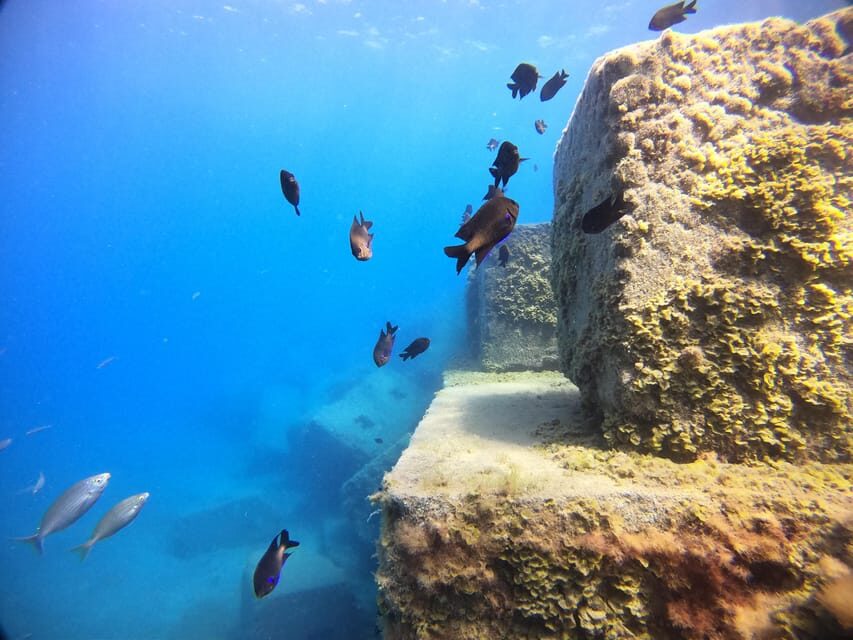
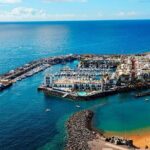
This course runs out of Gran Canaria, with training organized around the Atlantic coast and based at the Cordial Mogan resort. That matters more than it sounds. Learning scuba skills is partly about mastering techniques, and partly about keeping your brain calm while you deal with new sensations like breathing gear, buoyancy, and a different sense of direction underwater.
With the resort setup plus hotel pickup and drop-off, you spend less time figuring out transport and more time showing up ready to learn. When you’re on day two or day three, that kind of built-in structure helps you keep momentum instead of getting bogged down.
You’re also not learning in a vacuum. The goal is to connect classroom knowledge to what your body actually does in the water. One of the most practical parts is that the course doesn’t postpone the ocean work until the end—it layers skills, then puts you into real open-water conditions under supervision.
Other Gran Canaria tours we've reviewed in Gran Canaria

Day 1: Interactive Theory, Pool Skills, Then First Open-Water Time
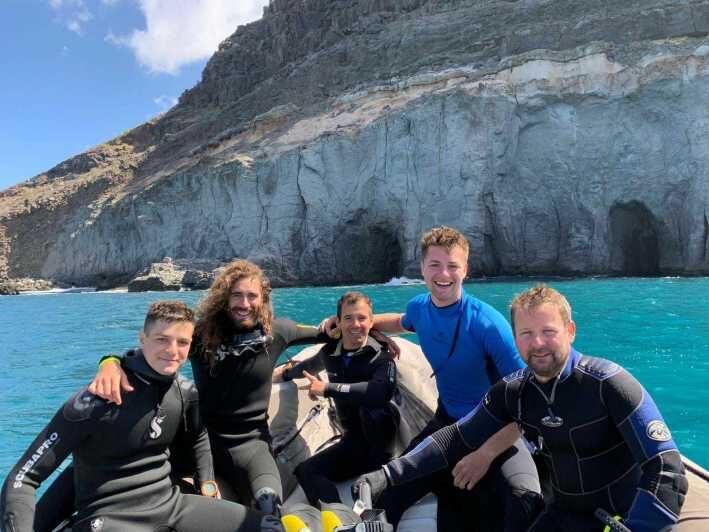
Day one starts with a 1.5-hour interactive theory session in a comfortable classroom. That’s a good sign. You’re not stuck with a silent lecture format; the course is designed to get you asking questions early so you don’t learn by fear or guessing.
In plain terms, day one is about building the mental framework:
- what the equipment is for
- how breathing and control works
- how to stay organized underwater
Then you move into pool and shallow-water practice. This is where a lot of confidence gets earned—or lost—so it’s worth paying attention to how the instructor team teaches control and safety habits. In multiple recent experiences, students highlighted the staff’s helpful, supportive attitude and clear organization, which usually translates into you getting corrected early rather than after a problem has grown.
Finally, day one includes open-water training. You’re learning to apply the basics in conditions that are less predictable than a pool. Even when the ocean is calm, you still have movement, changing visibility, and the feeling that your gear is doing more than you expected. That first ocean session tends to set the tone for the whole course: if you feel guided and comfortable, the rest becomes fun instead of stressful.
Day 2: Final Exam Day and More Ocean Sessions
Day two follows a similar pattern: more structured learning, then application. The course adds a final theory exam so you’re not just relying on muscle memory. The exam is valuable because it forces you to connect the dots between what you were taught and what you’ll need to make smart decisions later.
After the exam, you’ll enjoy more underwater training in the ocean. This part is crucial for most first-timers. By now, you know what your equipment feels like and you’ve built some basic buoyancy habits. The next challenge isn’t learning everything from scratch—it’s refining your control so you’re not just surviving the session.
A small caution based on real-world experience: while theory language may be in your selected language, practice sessions might be explained differently depending on the instructor team’s working languages. One student noted theory was delivered in German, but practice wasn’t. If you care about instruction language, ask ahead what language the pool and ocean sessions will be taught in.
Day 3: Two Open-Water Sessions That Tie Everything Together
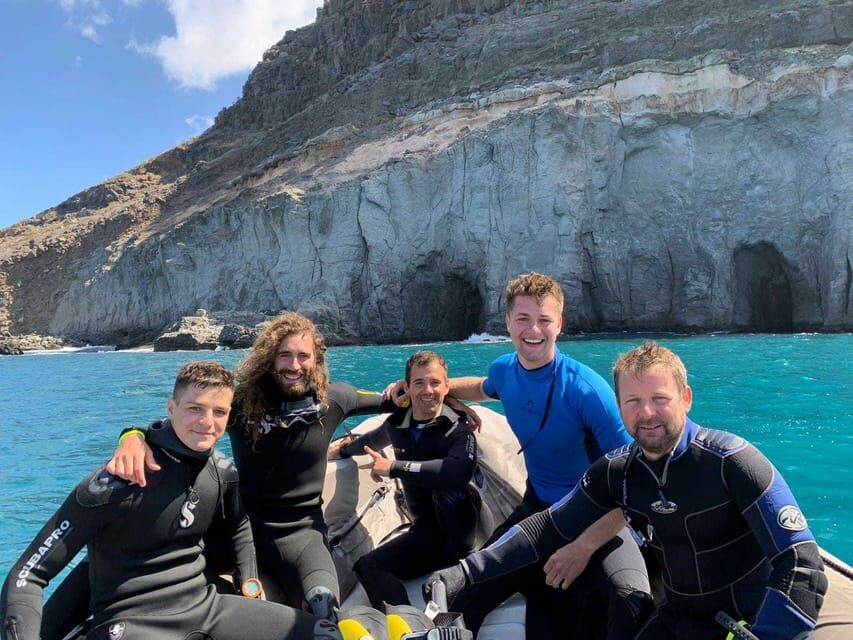
On the final day, you get the kind of training that makes the certification feel real: two ocean sessions to wrap up the course. By day three, you should feel less like you’re performing and more like you’re participating. The goal is to leave with competence, not just a checkmark.
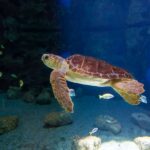
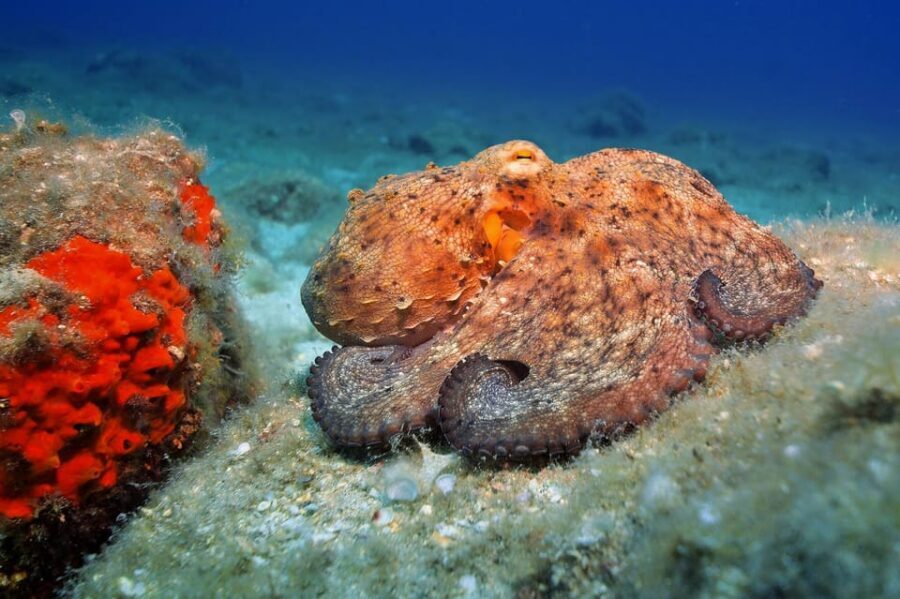
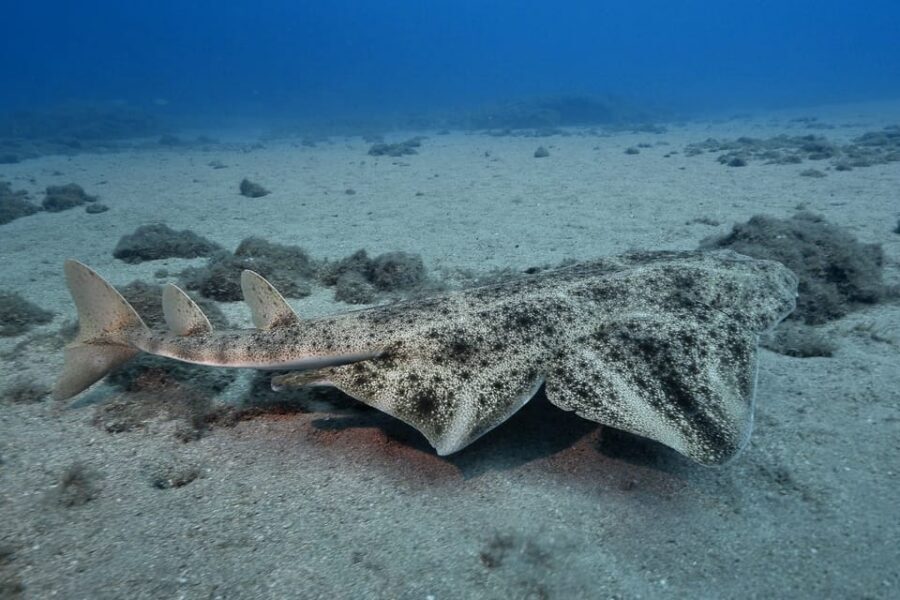
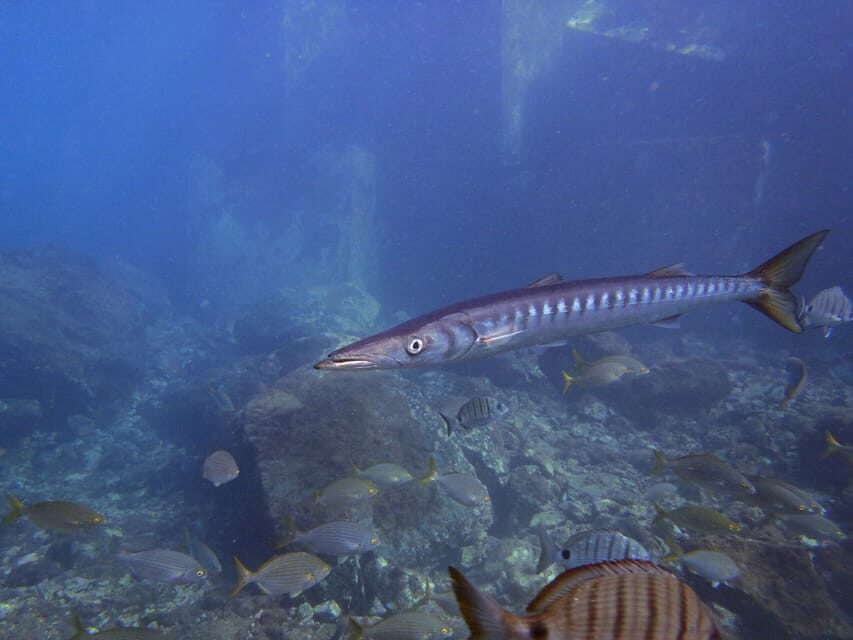
This is also where the Atlantic environment can shine. The course description points to white-sand areas, underwater life, and professional care. That matters because seeing marine life isn’t the point of scuba certification, but it’s a strong motivator when you’re learning. It helps you stay engaged while you practice the skills that keep you safe.
After three days, the bigger win is not that you had fun (though you probably will). The win is that you can connect:
- theory rules
- equipment use
- controlled buoyancy
- and safe decision-making
That combination is what helps a new diver feel ready to progress.
What “Certified Up to 18m” Means for Your Future Plans
This is PADI Open Water, the first level in the PADI system that allows independent diving once you’re certified. The course is designed for a max depth of 18 meters, which is a meaningful range for many travel diving destinations.
Here’s the practical takeaway for you: if you want to dive while traveling—rather than only doing single guided experiences—this course gives you a stepping stone. It’s the qualification that lets you go beyond “try scuba once” and actually plan underwater days in different countries, guided by local conditions and your own confidence.
It’s also why the structure matters. The course includes enough classroom theory and hands-on practice that the certification isn’t based on one lucky day. You’re trained across the steps you’ll reuse later, including how to handle typical procedures and how to communicate underwater concepts that keep you coordinated with a buddy.
A few more Gran Canaria tours and experiences worth a look
Price and Value: What $530 Covers (and What You’ll Pay Extra)
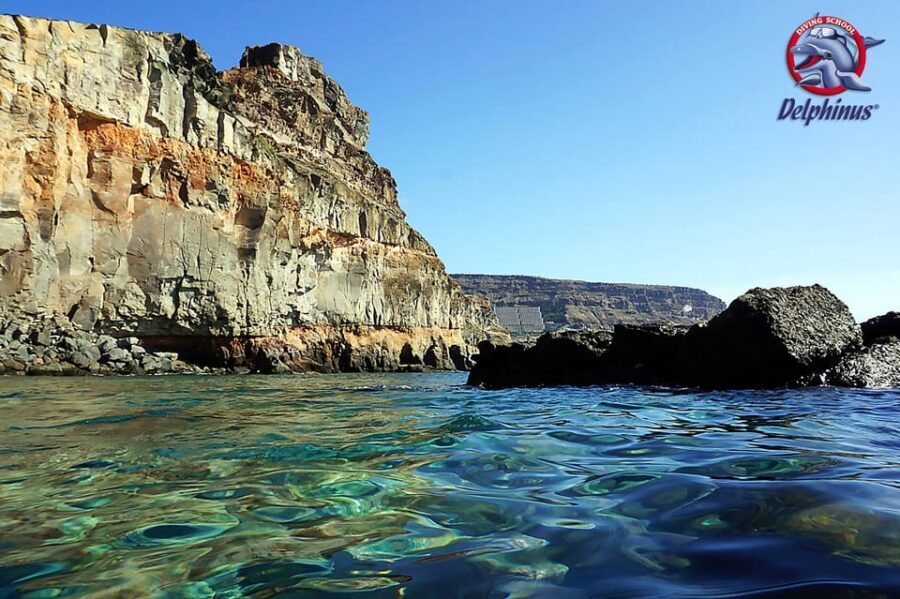
At $530 per person for three days, the value depends on what’s included—and for this one, quite a lot is covered.
Included:
- 5 classroom theory sessions
- 5 swimming pool/shallow-water practice sessions
- 4 ocean sessions
- dive equipment
- dive insurance
- hotel pick-up and drop-off
That mix is important. Many “try scuba” packages give you a quick experience but don’t include the certification pathway or the exam. Here, you’re paying for a complete learning sequence with real ocean time.
Not included:
- the PADI manual and certification fee (€87)
- an individual mouthpiece (€4)
So you should budget for extras on top of the listed price. Still, considering equipment, insurance, structured instruction, and four ocean sessions are bundled, this looks like a solid deal if you’re serious about getting certified rather than doing a one-off outing.
Instructors and Training Quality: Friendly, Organized, and Practical
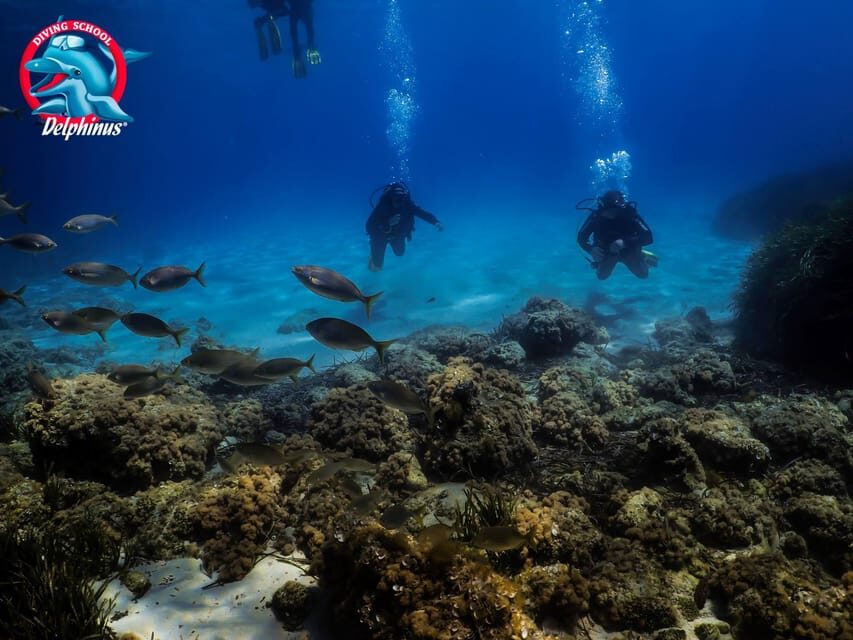
The course emphasizes supervision by a PADI instructor team, and the student feedback is consistent on one thing: people felt supported. Multiple recent experiences praised the staff as awesome, helpful, and well-organized, with individual attention.
One instructor name that came up clearly was Damian. In at least one case, he was credited with teaching the key steps in a fun way, and the ocean sessions with him were described as a highlight. That kind of specific praise matters because you’re not just looking for someone who can operate equipment—you want an instructor who can explain things clearly, correct you early, and keep the learning pace reasonable.
Also, the course lists instructor language options: Spanish, English, Polish, French, German, Italian. That’s a plus for comfort. Still, comfort is about more than language availability—it’s about whether the instructor team can keep the pool and ocean guidance clear in the way you need.
Practical Prep: What to Bring and How to Be Ready
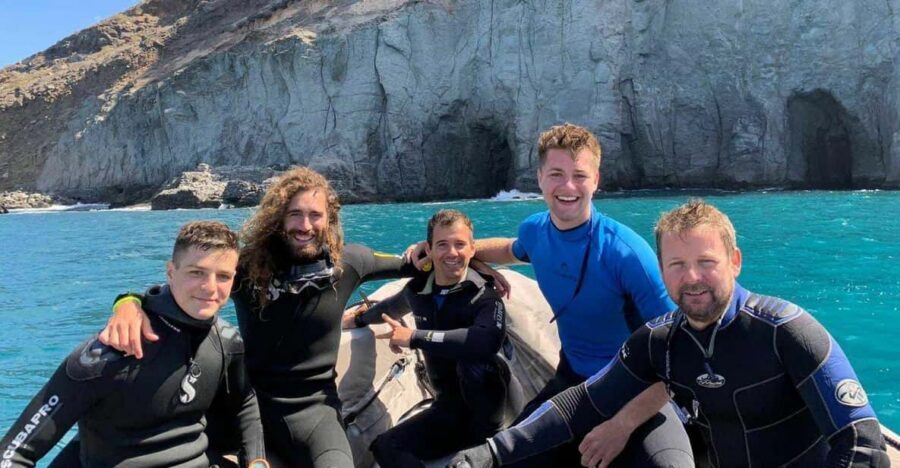
This course is straightforward on packing:
- Swimwear
- Towel
That’s it for the “bring” list, but you should still think like a diver-in-training. You’ll be in and out of gear, and your comfort matters. Wear clothing that’s easy to rinse and dry, and keep your schedule relaxed around course time.
Health matters too. The course is for people who are fit and healthy. If you have medical issues, check with your doctor before arriving and bring medical certification if needed. There’s also a clear restriction: it’s not suitable for pregnant women.
Age-wise, the minimum age is 10 years old. If you’re bringing a younger student, make sure the child is comfortable with water and can follow instructions calmly, because that helps a lot during skill practice.
Who This Course Fits Best (and Who Should Rethink It)
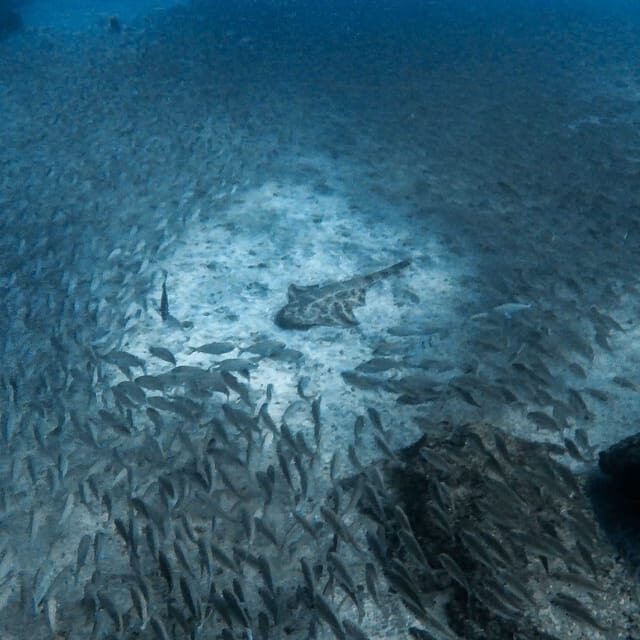
This 3-day Open Water course is ideal if:
- you want an actual certification outcome, not just a first-time experience
- you like structured training with clear steps
- you want to learn in a setting where conditions have been described as clear with good visibility
It’s also a good fit if you value instruction that feels patient and organized. Several learners emphasized how safe and welcome they felt from the first day.
You might rethink it if:
- you’re worried about language matching between classroom and practice, and you rely heavily on one language for clarity
- you have health constraints and aren’t sure you meet scuba readiness requirements
- you need a course that’s specifically tailored to a unique medical situation (the course asks you to confirm fitness first)
Should You Book This 3-Day Gran Canaria Open Water Course?
If you want a fast path to a real scuba qualification, this is a strong choice. The structure is complete: multiple classroom sessions, repeated pool practice, and four ocean sessions, all aimed at a clear endpoint—PADI Open Water with a max depth of 18m. Add in equipment and dive insurance being included, and plus hotel pickup/drop-off, and you get less friction than many “learn on your own schedule” options.
My only serious caution is language expectations. If you’re booking for a specific language experience, ask directly what language will be used for the pool and ocean guidance, not only the classroom parts.
If that’s sorted and you’re medically cleared to participate, I’d book with confidence—especially if you want your first certification to be earned through real ocean time rather than just a short trial.
FAQ
What certification will I get after completing the 3 days?
You’ll complete the PADI Open Water Diver course, which is the first level in the PADI system that allows independent diving after certification.
What is the maximum depth covered in this course?
The course is designed to train you to dive up to a maximum depth of 18 meters.
What’s included in the course price?
Included are classroom theory sessions, swimming pool/shallow-water practice sessions, 4 ocean dives, dive equipment, dive insurance, and hotel pick-up and drop-off.
Do I need to buy the PADI manual or certification separately?
Yes. The PADI manual and certification are not included and cost €87. An individual mouthpiece costs €4.
What should I bring with me?
Bring swimwear and a towel.
Is there a minimum age requirement?
Yes. The minimum age to join is 10 years old.
Is this course suitable for pregnant women?
No. It’s listed as not suitable for pregnant women.
What languages are available for instruction?
Instruction is available in Spanish, English, Polish, French, German, and Italian.
What’s the policy if my plans change?
You can cancel up to 24 hours in advance for a full refund, and you can reserve now and pay later (book a spot and pay nothing today).