REVIEW · GRAN CANARIA
Dry Canyoning Half Day Trip
Book on Viator →Operated by Climbo ツ · Bookable on Viator
Dry canyoning here turns a short morning into an active canyon adventure. This half-day outing in the Barranco de Las Vacas sector mixes trekking, climbing, and rappelling in a guide-led flow that’s designed for people who want real movement, not just a scenic stroll.
I like that it’s built around a focused route: a family-friendly format, with the right gear handled for you and a route based around reddish canyon cliffs in Agüimes. I also like the small group size (max 8), because it usually means more hands-on coaching when you’re learning rappelling basics and managing nerves.
One thing to keep in mind: the activity can be modified by the guide based on weather, terrain, and who’s in the group. It’s outdoors adventure, so you’ll want to stay flexible if conditions shift.
In This Review
- Key Points Before You Book
- Why Dry Canyoning in Agüimes Feels Different From a Normal Tour
- Meeting Spot and Pickup Zones: Plan Around a 10:00 Start
- Gear Up: What You Actually Get (and Why It Matters)
- Inside Barranco de Las Vacas: Trekking to the Descent Points
- Rappelling and Climbing: How Confidence Gets Built
- Weather and Terrain Changes: What You Need to Expect
- Family Fit: Age Rules and What “Family-Friendly” Means Here
- Price and Value: What $95.25 Buys You (and What It Doesn’t)
- What to Bring: The Small Details That Keep You Comfortable
- Getting Photos Without the Stress
- Should You Book This Dry Canyoning Half Day Trip?
Key Points Before You Book
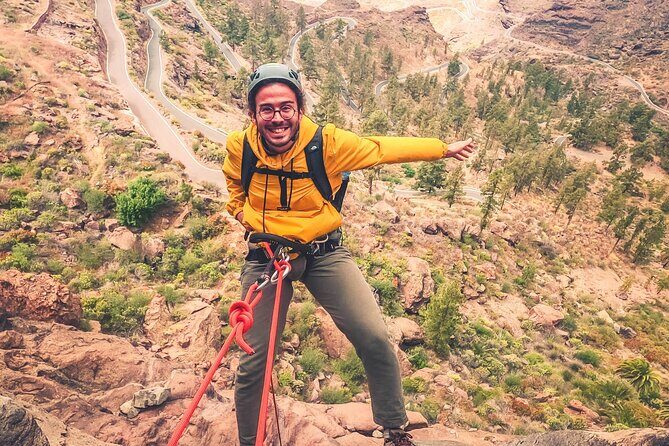
- Small group, max 8 travelers: more guidance when you’re learning knots, harness fit, and rappelling steps
- Recognized mountain guide + insurance included: practical safety setup before you start moving through the canyon
- Gear is provided: helmet and personal protection equipment like harness and carabiners, so you don’t need to source anything
- Photos included: you’ll come away with more than just memories in your phone camera
- Weather-dependent activity: the plan can change for safety, especially with canyon terrain and visibility
- Family-friendly with age limits: children can join, but it’s only for kids over 12 (with limited exceptions)
Why Dry Canyoning in Agüimes Feels Different From a Normal Tour
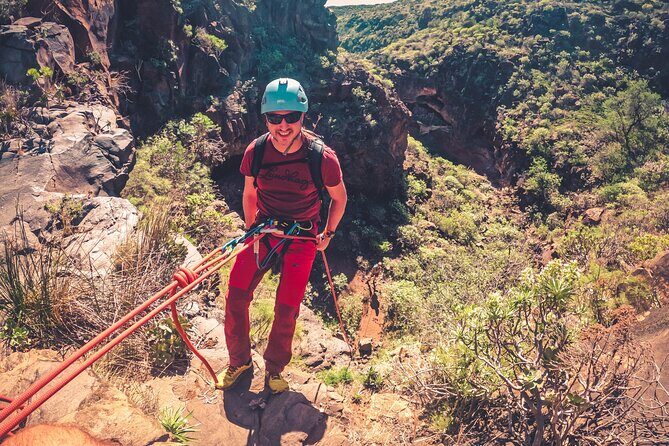
In Gran Canaria, it’s easy to bounce between beaches and viewpoints. This trip goes a different direction: into canyon walls, grips, and controlled descents. The key word is dry canyoning—so you’re dealing with rock, routes, and rope work more than just wading around.
The setting in the Barranco de Las Vacas sector (Agüimes) matters. You’re heading to a place with reddish, impressive cliffs and multiple ways to experience the canyon. That’s why the mix of trekking, climbing, and rappelling works so well in only about four hours: you get varied action without spending your whole day commuting and waiting.
Also, the guide team is English/Spanish speaking, so you’re not stuck guessing what to do. And if you’re thinking, I’m not an extreme athlete—good. This is designed as a skills-and-confidence kind of adventure, with coaching as part of the experience.
A few more Gran Canaria tours and experiences worth a look

Meeting Spot and Pickup Zones: Plan Around a 10:00 Start
The tour starts at 10:00 am at 35260 Agüimes, Las Palmas, Spain, and it ends back at the meeting point. Transport is included, which helps a lot on Gran Canaria where transfers can eat time.
Pickup is offered from select hotel areas, including (among others) Las Palmas, Bahía Feliz, San Agustín, Playa del Inglés, Maspalomas, Arguineguín, Patalavaca, Puerto Rico, Amadores, Playa del Cura, Taurito, and Puerto de Mogán. If you’re not in one of those zones, you’ll likely meet at the location listed.
Here’s the practical bit: they confirm details the day before between 6–10 PM. That’s helpful, but it also means you’ll want to keep your phone on and charged. The timing for pickup can change, so build in some cushion rather than trying to schedule another activity right afterward.
Gear Up: What You Actually Get (and Why It Matters)
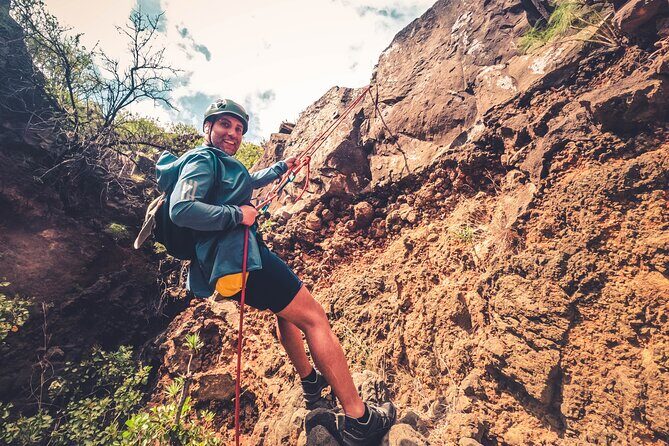
You’re not showing up in a rented-adventure scramble. This trip provides the essential canyon equipment, including a helmet and personal protection gear such as harnesses and carabiners.
That matters more than people think, especially if you’re new. A harness that fits right makes everything easier: it affects your comfort, your movement, and how confidently you can follow the guide’s instructions. And the helmet is basic safety, but it also reduces that constant mental load of worrying about what might hit your head.
You’ll also have a recognized mountain guide (AEGM/UIMLA) and activities insurance included. This isn’t “throw you in and hope for the best” adventure. The vibe is hands-on instruction first, adrenaline second.
Inside Barranco de Las Vacas: Trekking to the Descent Points
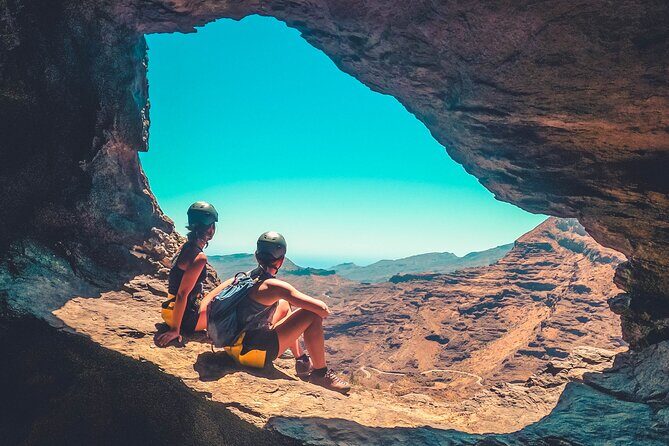
Once you’re at the canyon sector, the trip is set up like a progression. You start with guidance and prep, then you move into the canyon through trekking sections. This is where you warm up and learn how the route “feels” underfoot.
One thing I appreciate in this kind of half-day structure is that trekking isn’t there to waste time. It’s part of getting you positioned for the fun bits—climbing moves, then rappelling—while keeping you active the whole way. The canyon walls and reddish cliffs you’ll be working around give you that real “I’m in it now” feeling that you don’t get from most tour bus excursions.
If you’re bringing children, this part is also important psychologically. In past experiences with this operator, the instruction has been described as detailed and patient, and the terrain around the sector is considered suitable for beginners. That usually means the guide focuses on confidence-building early, not just rushing toward the first rappel.
Rappelling and Climbing: How Confidence Gets Built
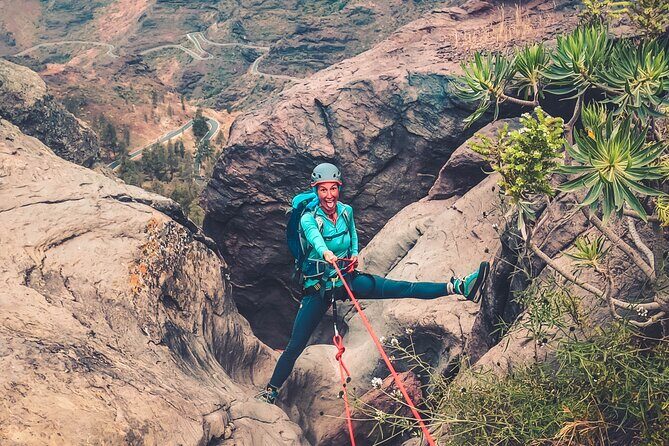
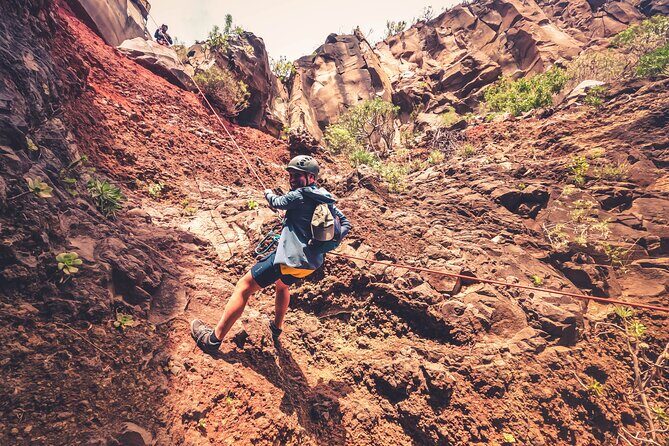
Rappelling is the centerpiece of dry canyoning, and this one is guided end-to-end. Expect to learn the basics of rope handling and positioning, then put it into practice with the guide controlling the process and making sure you’re set before you descend.
From the way the experience is described, a strong part of the day is how the guide communicates. One guide named Victor gets repeated mentions for humor, safety focus, and teaching style—people reported feeling nervous at first, then quickly reassured. That kind of coaching makes a difference when you’re trying not to panic and instead follow steps.
You’ll also get climbing elements. That doesn’t mean you’re doing professional rock climbing. It’s more about using your hands and feet to get to where you need to be—still active, still physical, but taught as part of the route rather than a test of athleticism.
And yes, there can be moments that feel like a highlight reel. One experience included a rock-to-waterhole jump. If that’s part of the route on your day (conditions and the group affect the plan), it’s the kind of fun-and-brave moment people remember. The key is that it’s done with the guide’s control and safety mindset, not guesswork.



Weather and Terrain Changes: What You Need to Expect
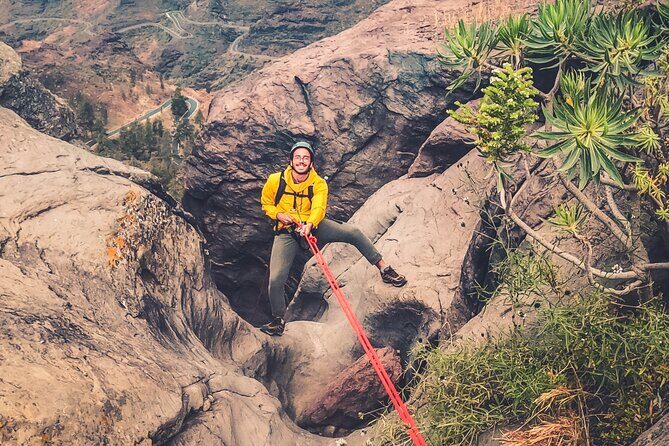
This is an outdoor adventure, and the operator is clear that the activity depends on the weather conditions, the terrain, and the people participating. If something changes, they may modify the activity at the guide’s discretion.
So how should you think about it?
- If weather isn’t ideal, you might get an adjusted route or modified segments.
- If the group has different comfort levels, the guide may shift pacing or emphasize instruction more than the most intense-looking feature.
The upside: if you’re with the right mindset, plan changes don’t ruin the trip—they keep it safe and achievable. In other words, you’re not buying a rigid script. You’re buying a guided canyon experience that can adapt.
Family Fit: Age Rules and What “Family-Friendly” Means Here
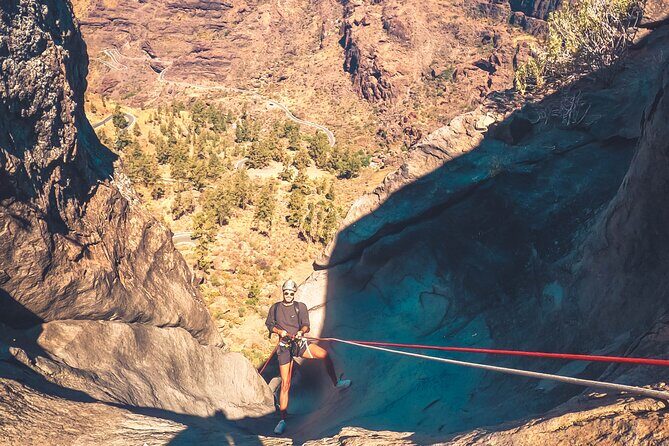
The tour is described as family-friendly and suitable for both adults and children, but there’s an important boundary: only for children over 12 years old. Exceptionally, kids under 12 can come on request and confirmation from Climbo.
Also, children under 18 must be accompanied by an adult. So if you’re traveling as a mixed-age family, make sure you’re matching the age rules early rather than hoping it works out day-of.
Fitness matters too. The info says travelers should have a strong physical fitness level. That doesn’t mean you need to be a gym athlete. It means you’ll likely be doing sustained trekking over uneven ground plus climbing and rappel movements. If you’re dealing with mobility issues or you get winded fast, think carefully.
For the best match, this tour tends to suit:
- Families with older kids who want a real adventure activity
- Active couples who like learning a new skill
- First-timers who want safety and instruction more than “extreme” bragging rights
Price and Value: What $95.25 Buys You (and What It Doesn’t)
At $95.25 per person for about four hours, you might wonder if it’s expensive. Here’s why it can feel fair.
Included features you’re not hunting down separately:
- Mountain guide (AEGM/UIMLA)
- Activities insurance
- All equipment (helmet + personal protection gear)
- Transport service
- Pictures (so you get the fun moments documented)
Not included:
- Lunch
When the gear and transport are already bundled, the price stops feeling like you’re paying only for “rappelling.” You’re paying for guided safety, instruction, and the logistics that make it easy to show up and actually do the activity.
My advice: if you book this, pack a light snack idea for before you start. You’ll be in the canyon early, and lunch isn’t part of the plan.
What to Bring: The Small Details That Keep You Comfortable
You’ll want the basics covered:
- Sport clothes and shoes
- Sun cream
- Something light to eat
- 1.5 liters of drinking water
That water amount is a big clue: this trip isn’t a sit-and-wait experience. The trekking + rope-work + sun exposure adds up, even in a half day. If you tend to run low on hydration on warm days, don’t be shy with the 1.5L.
Also, bring comfortable athletic shoes you don’t mind getting dusty or scuffed. Canyon routes can be rough on soles.
Getting Photos Without the Stress
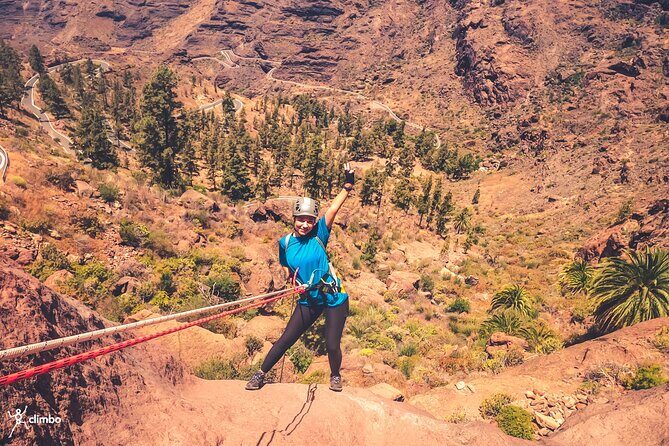
Pictures are included, which is a quiet win. When you’re learning rappelling or managing that first drop feeling, you don’t want to also be running around trying to frame the perfect shot.
The guide and process take care of documenting the main moments, and that’s especially helpful for families—kids and parents often want proof they actually did the hard part.
Should You Book This Dry Canyoning Half Day Trip?
Book it if you want a short, active dose of Gran Canaria that mixes skill learning and adrenaline, with a guide-led safety setup and a group size capped at 8 people. It’s a strong choice for first-timers who prefer coaching over chaos.
Skip it (or wait and choose a different activity) if you’re not confident with uneven terrain and you’re not up for physical trekking plus climbing movements. Also consider that the plan can change with weather and conditions, so it’s best when you’re traveling with flexibility, not a rigid schedule.
If that sounds like you, this is the kind of half day you’ll talk about later—helmet on, ropes ready, and canyon walls all around.